Disclaimer: Some links in this post are affiliate links. If you book through them, we earn a small commission at no extra cost to you. See our Privacy Policy for details.
Best Souvenirs to Buy in Egypt for Every Traveller
Shopping in Egypt can feel overwhelming for travellers, right? With bustling bazaars full of papyrus scrolls, spices, jewellery, and hand-carved treasures,!
It’s hard to know what’s truly worth buying—especially if you’re trying to stick to a budget.
When I first explored Egypt’s markets, I quickly realised shopping here isn’t just about souvenirs — it’s fun because you come across the cutest Egyptian items.
The colours, aromas, and history behind the handmade pieces make it truly delightful.
It is surely an adventure, as you can’t buy anything in Egypt without bargaining, especially when you don’t know much Arabic as a visitor.
From authentic papyrus art to affordable Nubian hats and even luxurious gold jewellery, there’s something for every traveller and every budget.
In this guide, I’ll show you the best souvenirs to buy in Egypt, where to find them, and how to avoid the common traps that catch most tourists.
By the end, you’ll know exactly what’s worth your money—and what’s not.


15 Must-buy souvenirs in Egypt
1. Papyrus scrolls
Papyrus scrolls are one of the most authentic souvenirs you can buy from Egypt. Made from the papyrus plant, they were once used for ancient texts, art, and official records — basically Egypt’s original paper.


These days, you can still watch artisans press, weave, and paint them by hand.


At the Three Pyramid Papyrus Institute in Giza, I chose a wedding scene of a pharaoh and queen, and the artist painted my husband’s and my names in hieroglyphs right there in front of me.
Watching it come to life felt like I was tucking a little piece of history into my bag.
Where to buy: Cairo, Giza, Luxor, plus one gallery each in Hurghada and Sharm El Sheikh.
Average price: $20–$50 for A4 size.
2. Miniature pyramids
Miniature pyramids are a classic Egypt souvenir — tiny replicas that still carry the magic of standing before the real giants in Giza.


One street vendor swore his was made of real stone. The second I picked it up, it was so light it could have floated away – Some Egyptians try to trick you in many ways!


I laughed, handed it back, and later bought mine made of polyester from the Egyptian Museum in Cairo at a Konouz EG outlet, which sells certified replicas approved by the Ministry of Tourism and Antiquities.
Where to buy: Konouz EG outlets, mainly in Egyptian Museum shops in Cairo and Giza.
Average price: $15–$30, depending on size and material.
3. Bastet figurines – A little piece of Egyptian fortune
When it comes to buying gifts from Egypt for your family, Bastet figurines are at the top of my list.


Bastet, the cat — sometimes lioness — goddess, is said to bring protection, good fortune, and happiness to the home.
I bought a metal one for my cousin, a huge cat lover, and she couldn’t stop smiling. It felt like I was handing her a little piece of Egyptian fortune — beautiful, symbolic, and steeped in history.
You’ll see Bastet statues in everything from tiny charms to elegant display pieces made of stones, clay and even metals
Where to buy: Khan el-Khalili in Cairo, Luxor markets, and government-certified museum shops.
Average price: $10–$50, depending on size and material.
Not sure how to fit everything into your Egypt holiday? Use this guide with ready itineraries to plan with ease.
4. Nefertiti bust
The most aesthetic Egyptian souvenir to bring home with a touch of s royal past, is the Nefertiti bust.
The original was found in Amarna, about 300 km south of capital city Cairo (which is now in Berlin museum). So if someone says they are selling you the real artefact, – they’re trying to deceive you.
Her beauty, mystery, and sudden disappearance from history still fascinate me.


I first heard about her in high school, and years later in Luxor bazaar after a day of visiting temples, I found a clay bust painted in turquoise blue (not the real stone, of course).
Now it sits proudly on my desk as a paperweight — like a queen presiding over her court while I work ( I use a lot of paper asn architect and history teacher)
Where to buy: Found across Egypt, but Konouz EG outlets offer the best quality.
Average price: $15–$40, depending on size and finish.
5. Shabtis (ushabtis) – A piece of Egypt’s afterlife beliefs
Shabtis — or ushabtis — are those tiny tomb figurines you see all over Egypt. The ancient pharaohs buried them to “work” for them in the afterlife, which is a pretty genius way to outsource eternity if you ask me.


They look like mini coffins with little pharaoh faces and arms crossed over their chests. Some people find them a bit spooky.
Me? After walking through the Valley of the Kings, I found them fascinating. We picked up a small set in Luxor, each with fake hieroglyphs, and now they sit on our shelf — weirdly adorable reminders that the Egyptians really planned everything.
Where to buy: Luxor markets and museum gift shops.
Average price: $10–$25, depending on size and detail.
6. Fanoos lanterns
Think Egypt is all pyramids and papyrus? Wait until you see a Fanoos lantern. I almost walked past them in Khan el-Khalili, thinking, “I’ve already got a lamp from Turkey, probably the same thing.”


Nope. Turkish lamps are all round and mosaic-y. Egyptian Fanoos are tall, often rectangular, with glass panels framed in metal, decorated with Islamic patterns and geometric designs. Totally different vibe.
I bought one in Cairo’s Old Market, and the seller even showed me how to use it with a candle or an LED bulb. Now it sits in my living room, glowing like a little piece of Cairo at night.
Where to buy: Khan el-Khalili (Cairo), Luxor markets.
Average price: $15–$40, depending on size and design.
Nervous about being tricked in Egypt? Read the post “15 Ways To Travel Scam-Free In Egypt“ to know more.
7. Alabaster artifacts
Alabaster is one of the beautiful things you can buy in Egypt — creamy stone carved into vases, bowls, and statues. In Luxor, we stopped at a workshop where artisans shaped each piece by hand, and it made me appreciate every curve and line even more.


The funniest part? At least 1 in 5 statues showed men with… let’s just say very exaggerated features. Our guide laughed and said, “That’s Min, the god of fertility and regeneration!” Not rude, just ancient symbolism doing its thing.
If you’re not sure it’s real alabaster, rub it with your fingernail — genuine pieces feel cool with a natural grain, while fakes are smooth resin.
Where to buy: Luxor alabaster factories, Aswan artisan shops.
Average price: $10–$80, depending on size and material.
Curious about the best tour guides and organisers in Egypt? I’ve shared a detailed, honest review of the company we travelled with, and I can vouch they were excellent. Read on to see why.
8. Egyptian carpets
Egyptian carpets might not be the finest in the world, but they’re definitely unique. As someone who’s seen India’s carpet villages, Turkish weavers in Cappadocia, and Persian masterpieces in Isfahan, I’ll admit — Egypt’s quality isn’t top tier.


But the designs? That’s where they shine. Instead of floral patterns, you get pharaohs, hieroglyphs, and ancient motifs woven into the fabric. We bought ours from Saqqara Carpet School, a handwoven piece showing Tutankhamun’s mask. Watching the weavers knot each thread was hypnotic.
Where to buy: Saqqara Carpet School near Cairo, government-approved shops.
Average price: $50–$500, depending on size and craftsmanship.
9. Egyptian cotton outfits


If you want something from Egypt you’ll actually wear, go for Egyptian cotton outfits. I’m not talking about traditional jellabiyas here — I mean stylish kaftans to maxi skirts, cotton pants to airy blouses.
With Egypt’s own long-staple cotton, these pieces can get seriously pretty.
I found a Nubian-striped kaftan at Jozee in Zamalek, Cairo, and it’s still one of my favourites. I throw it on at the beach or wear it at home, and it instantly gives me that relaxed holiday feeling.
You’ll see embroidered tops, pharaonic-print T-shirts, handwoven scarves, and floaty skirts in markets all over.
For something fancier, check out
Where to buy: Jozee in Cairo, Aswan markets
Average price: $10–$120
Wondering what to wear in Egypt? Read this full clothing guide for your Egypt winter trip.
10. Cartouche, scarabs, and hieroglyphic jewellery
Cartouche jewellery is one of the most meaningful souvenirs you can buy in Egypt. In ancient times, a cartouche was an oval frame that enclosed a pharaoh’s name in hieroglyphs, meant to protect them for eternity.


Today, it’s been reimagined as pendants, bracelets, and rings — a personal little piece of history you can wear.
I picked up a silver cartouche pendant in Luxor — not engraved, but with the name of Horus. It felt like carrying a bit of Egyptian mythology around my neck.
Then there are scarab amulets — tiny charms shaped like the sacred dung beetle, symbolising rebirth and protection.
Don’t worry, they look beautiful and nothing like the real insect.
Where to buy: Khan el-Khalili, Luxor jewellery workshops.
Average price: $20–$100 (silver or gold).
Do you know the cultural rules in Egypt? This post covers 18 essential etiquettes so you can connect better with locals and avoid awkward moments.
11. Nubian hats
Nubian hats are the most cheerful souvenir you can bring back from Aswan. They’re handwoven, full of bright colours, and carry the same happy energy as the Nubian villages themselves.


I bought mine near the Aswan port while taking a boat to the Temple of Philae (which feels like floating on water).
The seller, an elderly man with the kindest smile, insisted I try it on. I’ll admit, it doesn’t match my winter outfits at home, but it adds the perfect quirky touch to my travel wardrobe.
Where to buy: Nubian villages near Aswan.
Average price: $5–$10.
12. Fresh dates
When it comes to edible souvenirs, nothing beats fresh dates. Egypt’s oases grow some of the sweetest in the world, thanks to the hot sun and dry desert air.
My first box came as a gift from our host in Bawiti, the main town in Bahariya Oasis, on the way to the White Desert — my so-called White Wonderland.
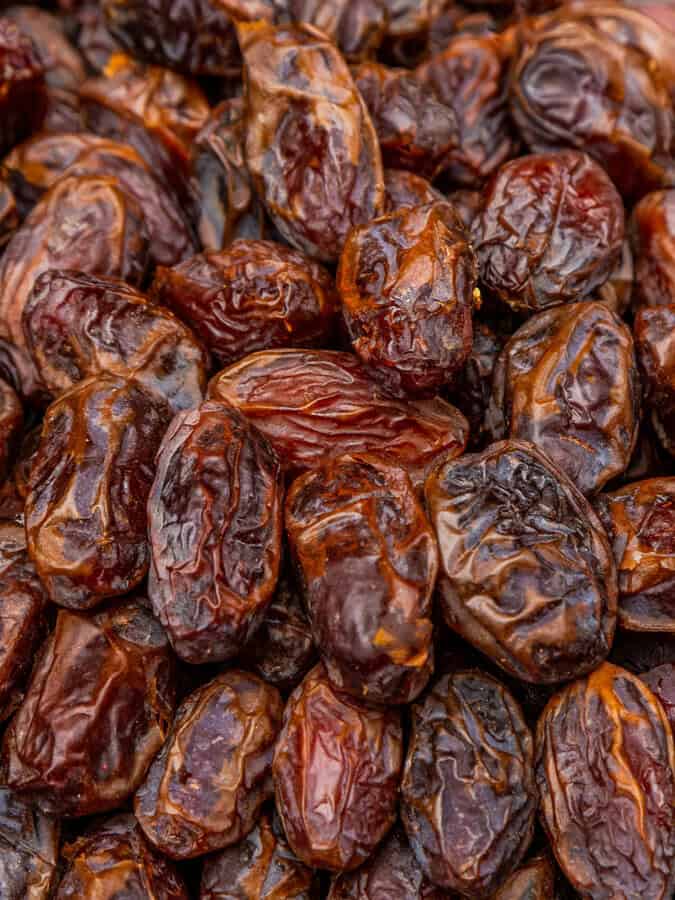

They were very likely Wahat dates, grown in his own front or backyard — sweet, caramel-like, and semi-dry with a lovely chew.
Medium to large in size, each bite felt like a burst of desert sunshine, and I almost finished half the box before we even reached our destination.


Other varieties: Siwi — small, caramel-sweet, semi-dry; Azzawi — small, dry, mildly sweet; Medjool — large, plump, honey-soft; Zaghloul — crisp, bright red; Hayany — soft, dark, syrupy.
In Cairo, I spotted Abu Auf selling beautifully packed date boxes, including chocolate-covered ones stuffed with almonds — dangerously hard to resist.
Where to buy: Bawiti Market, Siwa Town Market, Siwa Cooperative Shop), Abu Auf branches all over Egypt
Average price: $2–$10/kg, depending on variety and quality.
13. Rumi cheese
Rumi cheese — also called Roumi or Raumi — is a must by thing for cheese lovers.
It’s a bold, salty cheese made from cow’s milk, often mixed with buffalo milk for extra creaminess. That buffalo milk already had me sold.


I first tasted it at breakfast in my Giza hotel, staring straight at the Sphinx. The yellow, slightly hard cheese had a sharp, salty bite — like Parmesan but with more punch. Honestly, it felt like a salty slap in the best way possible.
The chef told me it was artisanal baladi Rumi, made the traditional way with no artificial starters. The older it gets, the stronger (and funkier) the flavour — locals pay more for “old” Rumi.
You’ll also find it in Egyptian dishes like hawawshi, omelettes, salads, and flaky feteer.
If you’re unsure you’ll like it, buy a wedge instead of a whole wheel. I picked mine up from a Damietta dairy stand in Luxor, sealed and frozen, and it lasted 20 days after I got home.
Where to buy: Bab El-Louk Market in Cairo, Alexandria markets, Damietta dairies, Metro and Carrefour supermarket counters.
Average price: $6–$12 per 300g slice.
14. Spices
Egypt’s spice markets are a riot of colour and scent — mountains of cumin, black pepper, cinnamon, and cardamom spilling out of sacks.
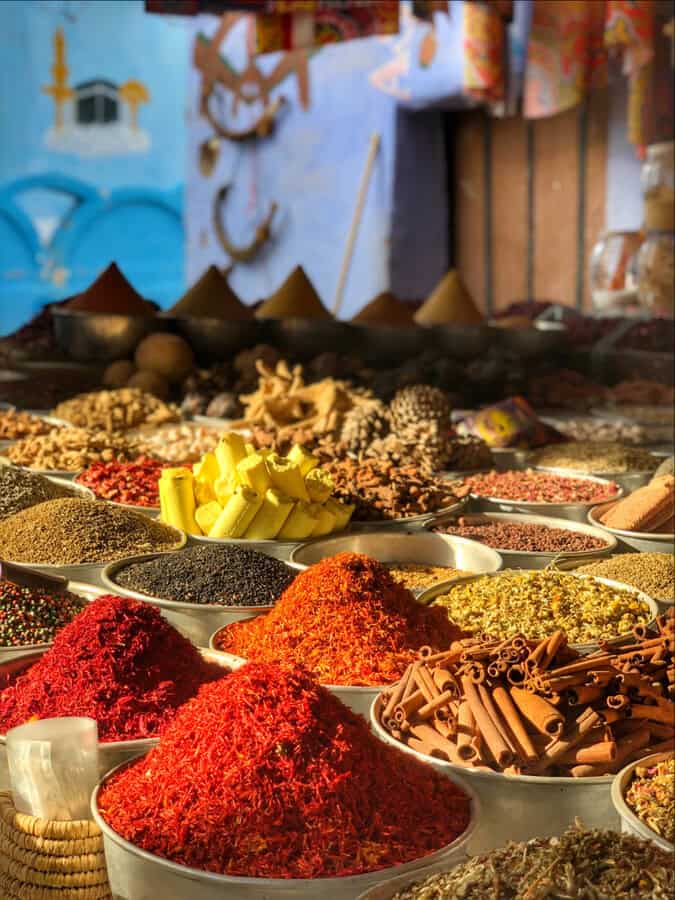

As someone from India’s Western Ghats, where these grow in my backyard, I wasn’t racing to buy the basics. But then I discovered duqqa — a nutty, aromatic blend of toasted nuts, sesame seeds, coriander, cumin, and herbs.
I first tasted it in a little Giza restaurant, sprinkled over salad, and it was a total game-changer. Traditionally eaten with bread and olive oil, it now finds its way onto everything from vegetables to grilled meats.
Where to buy: Luxor souk, Aswan spice markets, Nubian village stalls.
Average price: $1–$5 for standard spices, $3–$8 for duqqa (per 100g).
Planning your first Egypt holiday? Check these 10 essentials travel tips
15. Essential oils & perfume oils
Essential oils have been part of Egyptian life since pharaonic times — used for beauty, relaxation, and even rituals. Today, the tradition’s alive and thriving.
You’ll find jasmine blooming in Gharbia and Fayoum, neroli from orange blossoms in the Delta, and roses in Fayoum too. Some oils are locally grown, others imported, but Egypt feels like a treasure chest of natural scents.
I couldn’t resist a 50ml bottle of jasmine oil — hasmie or full, as they call it here — from the Nefertiti store in Giza for around $35, plus a small bottle of neroli. The shopkeeper even explained how to use them for skin, better sleep, or just smelling gorgeous.
As a South Indian woman, jasmine is my weakness, so leaving without it was never an option.
Where to buy: Nefertiti and Nefertari stores in Cairo, Giza, Luxor; Khan el-Khalili; perfume palaces near the pyramids.
Average price: $10–$35 for 30–50ml.
Read this post to know more such kind of scams in Egypt you must be aware of as a tourist
Other souvenirs to consider buying in Egypt
Traditional Egyptian outfits – Jellabiya
The jellabiya is Egypt’s classic long, loose outfit worn by both men and women. Men go for plain solid colours, while women’s styles are brighter, often with embroidery.


It’s not something you’ll wear every day back home, but as a cultural keepsake — or styled with a belt and jewellery — it’s a fun addition to your wardrobe.
Where to buy: Luxor bazaar, Aswan market, Hurghada market.
Average price: $10–$30.
Belly dancer outfits
Belly dance shows are big in Cairo, and it’s hard not to notice the glittering costumes — especially those shimmering waist belts covered in sequins and beads. They’re vibrant, eye-catching, and absolutely gorgeous.


I’m not a dancer, so I knew I’d never wear one, but I still stood in the market debating it. They make a fun souvenir if you love performance art or want something dramatic for your collection — even if it ends up staying in your closet.
Where to buy: Khan el-Khalili, Luxor bazaars.
Average price: $15–$50.
Gold and silver jewellery (high-end)
Egypt is African by location, but its love for gold comes straight from Middle Eastern culture.
You’ll see it everywhere — in shops overflowing with intricate pharaonic designs inspired by Tutankhamun’s treasures, floral patterns, Islamic motifs, and sleek modern styles.
As an Indian and a budget traveller, buying gold here wasn’t on my list, but I still wandered into a few shops in Cairo and Luxor just for the joy of it. The craftsmanship is stunning, and even the silver pieces feel like little works of art.
Where to buy: Khan el-Khalili’s gold market in Cairo, jewellery shops in Luxor, designer boutiques in Zamalek (Cairo).
Average price: Silver pieces from $30, gold from $300+ depending on weight and purity.
Pro tip: Only buy from certified shops and ask for a detailed receipt with weight, purity, and price breakdown.
Sand art in a bottle
Sand art bottles are Egypt in miniature — layers of coloured sand carefully drawn into pyramids, camels, and desert scenes. Watching the artist create them is half the fun.


It’s not unique to Egypt (I’ve seen it in Petra, Jordan), but the Nubian artists here give it their own style.


We bought ours in the Nubian Village and stood mesmerised as the artist used tiny tools to draw camels and palm trees inside the glass — without spilling a single grain.
Where to buy: Nubian villages and Aswan markets.
Average price: $5–$10.
Khayamiya (traditional appliqué art)
Khayamiya is a traditional Egyptian textile art used for wall hangings and decorative panels. These pieces add a vibrant and cultural touch to any home.
Where to buy: Cairo textile markets
Average price: $20–$100 (depending on size and detail)
Handcrafted pottery and ceramics
Egyptian pottery, often hand-painted with bright designs, makes for a beautiful and practical souvenir.


Where to buy: Luxor markets, Aswan artisan shops
Average price: $5–$25
Copper and brassware
Egyptian brass and copper goods include trays, bowls, and teapots with intricate designs. While slightly heavy, they make stunning statement pieces.


Where to buy: Cairo old markets, Khan el-Khalili
Average price: $10–$50
Leather goods
Leather wallets, belts, and bags are widely available in Egyptian markets. They’re a practical souvenir, though not unique to Egypt.
Where to buy: Aswan and Luxor leather shops
Average price: $10–$40
Shisha pipes
Shisha pipes (hookahs) are iconic in Egyptian culture and make a bold decorative piece. TravelLers often buy small versions for easier transport.


Where to buy: Cairo and Luxor bazaars
Average price: $20–$60
Souvenir magnets
Fridge magnets are an easy way to bring a piece of Egypt home. They’re inexpensive and make great gifts for friends and family.
Where to buy: Khan el-Khalili, Luxor, Aswan
Average price: $1–$5
Egyptian motif cutlery
These quirky items, often decorated with pharaohs or pyramids, are a fun but less practical souvenir.


We bought a set of spoons in Cairo, and while they looked great at first, the brass coating faded after a few months—still, they make a unique keepsake.
Where to buy: Khan el-Khalili, Cairo old markets
Average price: $3–$10
Tips for tourist shopping in Egypt
How to bargain like a local in Egypt
Start by offering half the asking price. Shopkeepers are used to itas locals do it, and if they refuse, smile and walk away — nine times out of ten, they’ll call you back with a better deal.


In Aswan market, I walked away from a hibiscus tea stall and the seller dropped his price by 40% before I’d gone ten steps. Bargaining here isn’t rude — it’s part of the fun.
Safe and easy payment methods in Egypt
Most Egyptians markets are cash only, so carry small bills. ATMs are easy to find in Cairo and Luxor, but don’t rely on cards in bazaars.


I kept my cash in two places — a small wallet for spending and a money belt for backup — so I never had to pull out a big wad in public.
How to avoid common tourist traps in Egypt
Skip the souvenir stalls unless it is Konouz EG outlet, right outside major attractions — prices are often double.
At Giza, one shop near the pyramids wanted $20 for a fridge magnet. I bought the same one in Khan el-Khalili for $3.
How to deal with pushy sellers in Egyptian markets
Street vendors near historic sites in egypt are so pushy and persistent that you might get irritated. When you’re not interested, say “la, shukran” (no, thank you) and keep walking. Don’t stop or make eye contact, or they’ll keep going.


On our first day at Giza, while I was still awed by everything the pyramids had to show me, a beaded jewellery seller kept calling me Bollywood heroine names and followed me for at least 5 minutes.
Once I nailed the polite-but-firm “la, shukran” and our guide Ibrahim asked him to back off, he left in despair.
Read this post to know why having an organised tour and a local guide is almost essential in Egypt to travel more easily, safely, and stress-free.
Practical shopping tips for Egyptian bazaars (hydration, carrying cash, etc.)
Markets can be hot and crowded. Carry water, wear light clothes in summer and put on a jacket over it in winter, and take short breaks.
I once wandered Khan el-Khalili for hours, distracted by lamps and spices, before realising I hadn’t had a sip of water. Lesson learned.


FAQ about shopping in Egypt as a Traveller
Is shopping in Egypt cheap, and what’s affordable?
Yes — Egypt markets are budget-friendly for things like spices, papyrus, Nubian hats. Bigger buys like gold or carpets cost more, but you can bargain.
Is Egypt good for shopping?
Yes — shopping in Egypt is enjoyable for its lively markets and cultural vibe. I’ve found more handicrafts variety in Iran and a better craft–modern mix in Turkey, but Egypt still has plenty worth browsing if you want history-linked souvenirs.
What products is Egypt most famous for?
Egypt is famous for papyrus scrolls, alabaster statues, cartouche jewellery, spices, and perfume oils, all deeply linked to its ancient history.
Is gold jewellery cheap in Egypt?
Gold in Egypt follows global prices, so it’s not cheap. Buy it for the beautiful pharaonic and Middle Eastern designs, not as a bargain.
What does 20 Egyptian pounds buy?
In Egypt, 20 EGP gets you a falafel sandwich, hibiscus tea, or a small souvenir like a papyrus bookmark or scarab keychain.
Best places to buy authentic souvenirs in Egypt (city guide)
Best places to shop in Cairo


Top markets and shops in Luxor
Luxor Bazaar is a calmer, smaller-scale market, best known for alabaster workshops and hand-painted pottery. Many stalls here are run by families who’ve been in the trade for generations.


You can even take morning or lateight guided tours to vegetable markets and other non-touristy side of the bazars.
Where to find authentic souvenirs in Aswan


Aswan Souk is famous for its Nubian cultural influence — brightly coloured woven goods, locally grown spices, and hand-dyed fabrics.
Best places to shop in Hurghada