
Disclaimer: Some links in this post are affiliate links. If you book through them, we earn a small commission at no extra cost to you. See our Privacy Policy for details.
How to Travel Austria on a Budget: Top Money-Saving Tips.
Austria’s breathtaking alpine mountains, fairy-tale towns, rich history, and cosy cafés are a dream—but often a pricey one.
A cable car ride to a panoramic peak? Expensive. A simple coffee in a charming café? Costly. Strolling through historic streets? Free—thankfully!
So, is travelling Austria on a low cost a myth? Absolutely not!
After spending two weeks exploring Austria with my mother as a mid-range budget traveller, I found ways to balance comfort and savings in this beautiful yet expensive Alpine country.
This guide breaks down how to travel Austria on budget with money-saving tips on transport, accommodation, food, attractions along with info on how to calculate a rough budget for your trip before going.
Plus, I’m being super honest—I’ll share the mistakes I made so you can avoid them and travel cheaper. Let us plan your Austria trip without you breaking your wallet.
Is Austria expensive for tourists
Yes, Austria is relatively expensive for travellers. It’s pricier than it’s neighbours Germany, Italy, and Slovenia but cheaper than Switzerland.
Why is it expensive?
Austria’s landlocked status means it relies on imports for a lot of goods, which drives up costs. On top of that, the country has a population shortage, so wages rise. This eventually makes everything—services, goods, you name it—more expensive.
How costly is Austria?
How Much Does It Cost to Travel Austria on a Budget?
As a budget backpacker, you need at least €100 per day per person. For a mid-range trip, expect to spend €170–€210 per day ( Including: Accommodation, food, transport, and sightseeing)
How much did I spend on my Austria trip in summer?
I spent about €360 per day for two people in summer ( August 2022) – which includes the following
But keep in mind, this doesn’t include my international flights, shopping I did in Austria and Schengen visa, which I had to sort out from India.

How to set a realistic budget for travelling to Austria?
Consider Who You’re Travelling With: Many attractions in Austria offer discounts for kids and seniors, while some charge extra for pets.
Peak Seasons Affect Costs: June–September (summer) and November–March (skiing season) are the most expensive times to visit Austria. Accommodation prices are higher.
Hiking vs. Adventure Activities: Hiking is mostly free, but activities like paragliding, kayaking, and surfing can increase your budget.
Trip Duration & Next Destination Matter: Longer stays offer transport discounts. If flying home, departing from Vienna is usually the cheapest option.
Comfort vs. Budget: Decide on hostels vs. hotels, AC vs. non-AC, central vs. outskirts accommodation, and dining vs. self-catering to balance cost and comfort.
Know Your Interests: Austria has history, castles, museums, hiking trails, music festivals, food, and more. Focus on what excites you most to plan your budget wisely.
Money saving tips on Austria travel budget
1. Picking the right season to visit
Summer (June – August): Peak season, so expect higher prices for everything, including hotels. Plus, it can get really hot! The internet frenzy that Austria is never that hot, and I believed that was a huge mistake.
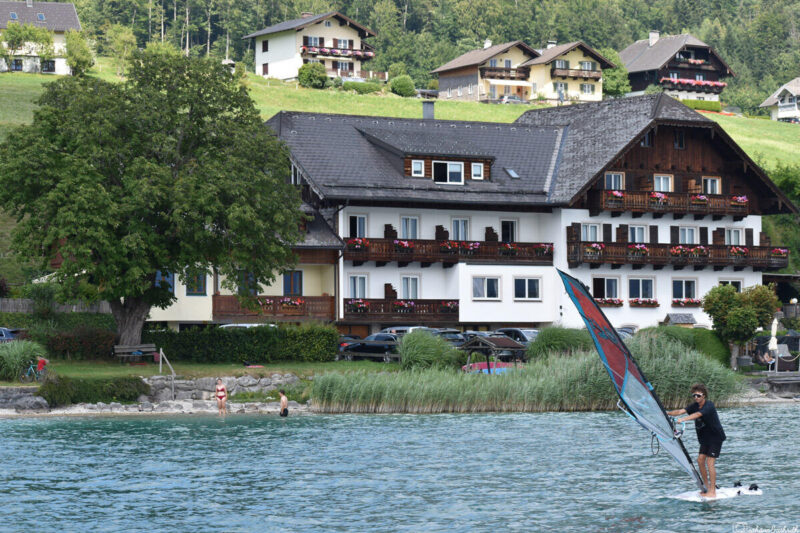
Winter (Nov – March): Ski season and Christmas markets cause prices to spike. The second week of December to the first week of January is particularly expensive.
Best Time for Budget Travellers: If you want to save money, visit Austria in Spring (March – May) or Autumn (Sept – Nov) when things are more affordable and fewer tourists are around.
A native Tirolean cyclist I met at the top of Innsbruck’s mountain top told me that September is the ideal month to visit Austria. It’s the perfect transition from summer to autumn, with cooler weather, fewer tourists, and much lower prices.
2. Saving on air ticket cost
Cheaper Flights: Any time other than Christmas and summer, air tickets to Austria are usually cheaper. The shoulder seasons, like Spring (April to early June) and Autumn (Sept – Oct), offer more affordable flights.
Where You Land Matters: Flights to Vienna are cheaper than flying to Salzburg or other cities in Austria.
For example, I was looking to fly back to India from Innsbruck, and it would’ve cost me around €1250 per person. Instead, I took a train to Munich, spent five days there, and flew back for just €630 per person.
I saved on airfare and got to enjoy some extra time in Munich! So, make sure to plan your arrival and departure cities wisely.
Use Skyscanner to find the cheapest flights to and from Austria to your destination.
3. Choosing right way to get around
Take trains to get between two cities : Austrian trains are efficient, clean, and on time, even connecting to Germany, Italy, and Slovenia. Take advantage of discounts on eocnomy-class tickets and passes to save even more.

Use bus, metro, trams in cities : The best way to get between cities like Innsbruck and Salzburg is by bus, which is covered by city passes. In Vienna, use the VOR Pass instead of buying the city card. VOR Vienna pass covers all the public transport in the city
Plan ahead on Sundays : Frequency of buses and trains in Austria is lower on weekends. So keep this in mind while planning your to avoid paying to costly taxis.
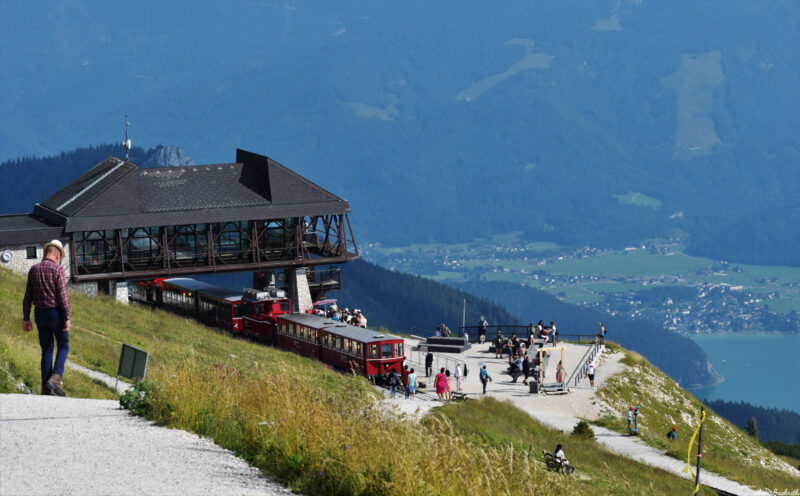
Buy Combo Tickets: Many mountain towns, like Saint Gilgen, got charming cog railways and cable cars in Innsbruck. Save money by buying combo tickets for both the up and down trips.
I have created a separate post where I show everything related to using trains in Austria to get the most of it. Read that to know more.
4. Saving on accommodation
Stay 1km outside touristy areas : Look for areas outside tourist hotspots in Vienna and skip hotels at Old town in Salzburg. By booking a room 15–20 minutes from the city centre, you can save 15–20%. We did this everywhere and saved a lot!
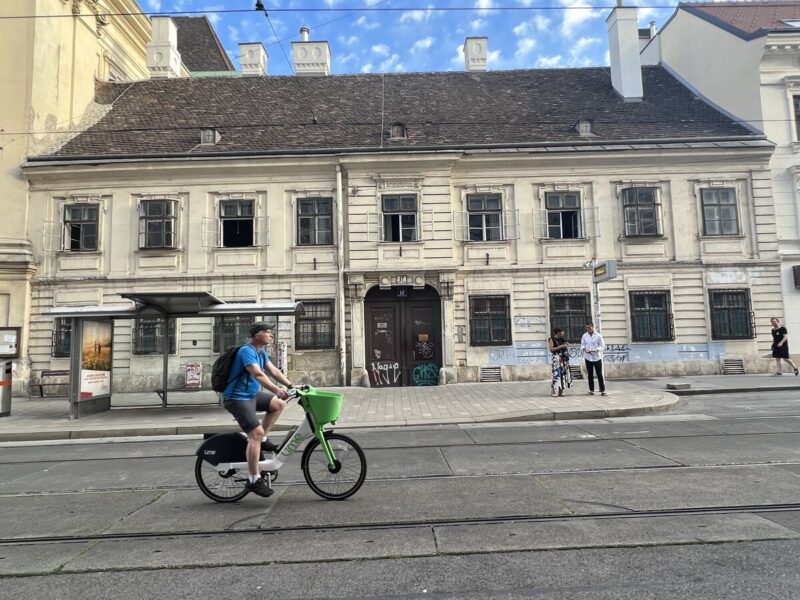
Book Hotels Near Transport Stops: Make sure your hotel is near a bus, train, or metro stop within 100–200 metres. This makes getting around much easier and cheaper, saving you both time and money.
Plan in advance – Last-minute booking for accommodations in Austria costs you more and won’t get you better deals
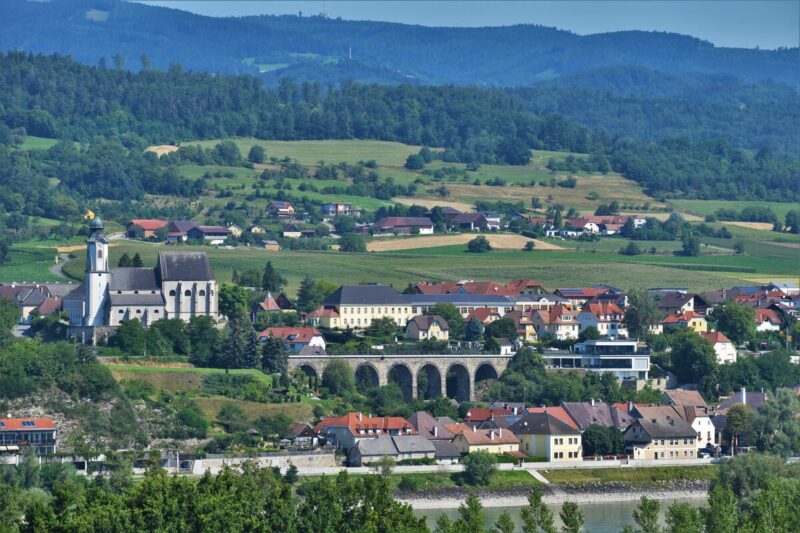
Affordable Gasthofe and pensions : Pensions (small guesthouses) and Gasthofe (bed & breakfasts) are great choices, offering rooms from €60 per night. These are cheaper than hotels and are perfect in mountain towns like Kirchberg or riverside beautiful towns by Danube.
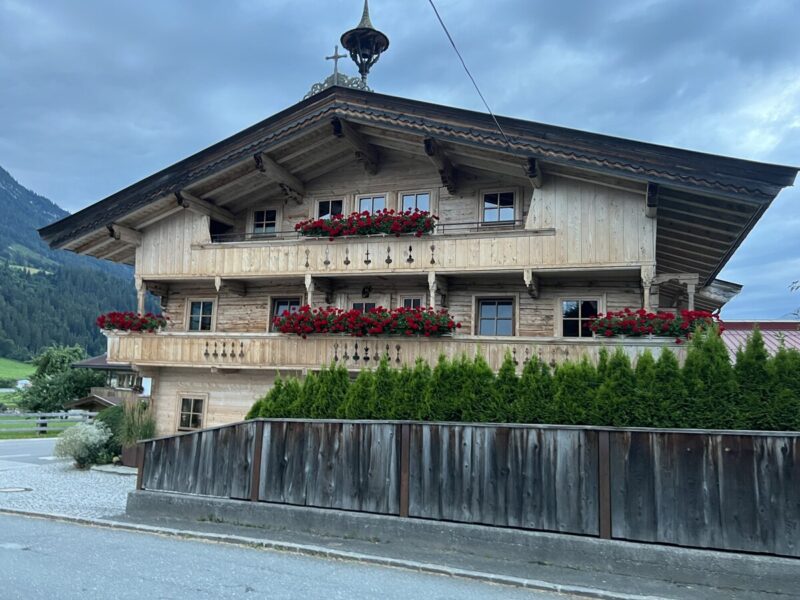
Extra Costs to Watch Out For: Watch out for additional charges like parking fees, and check if your room has air conditioning or an elevator—many places don’t. Always double-check before booking.
Understanding Check-In & Check-Out Times: Usually Austrians hotels have strict check-in (3 PM) and check-out (10:30–11 AM) times. Early check-in requests are often denied, so plan accordingly.
Hostels for Budget Travellers: Hostels are a good option for solo travellers or those on a tight budget, with prices from €30–35 per night for a dorm bed in popular cities and towns.
Camping & RV Parks : Travelling with a campervan? Austria has well-maintained campsites with excellent facilities, offering a budget-friendly way to stay and enjoy an adventure.

5. Saving on Food and drinks
Go for Local Food: Austria’s cafes and centuries-old bakeries are a must-try. Though the cuisine is often meat-based, you’ll still find vegetarian options, so be sure to enjoy local dishes while keeping an eye on your budget.
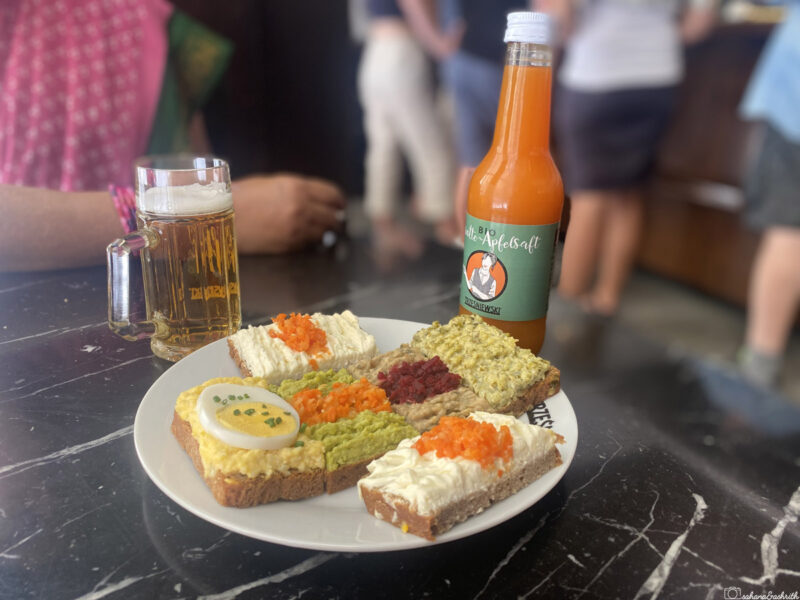
Save Money with “Grab and Go” Meals: Buying more “grab and go” meals, like Turkish falafel wraps, sandwiches, and pastries, can save you time and money. I’ve enjoyed fancy cafes, but I also loved munching on croissants in public plazas—simple, affordable, and delightful!
Skip Bottled Water, Tap Water’s Safe: Don’t buy bottled water in Austria—tap water is safe to drink. You’ll find fountains and spouts in many places. Bring a reusable bottle and skip ordering water in restaurants.
Food at Transit Hubs is Cheaper: Buy food and coffee at metro stations, bus stops, or railway stations instead of touristy areas. You’ll find cheaper options, so have a snack before catching your next train or bus to save a few euros.
Buy Beer at Spar for a Budget-Friendly Sip: In Austria, it’s legal to drink in public, so buy beer at Spar and enjoy it by a fountain. While beer gardens like Augustiner are fun, buying beer at the store is more economical.

Buy grocery at Hofer If you’re okay with cooking on vacation, it’s a great way to save money. I’m not a fan of cooking while travelling, but buying fresh produce at local markets and groceries at Hofer (Austria’s Aldi) is cheaper than Spar.
6. Saving money on sightseeing and tours
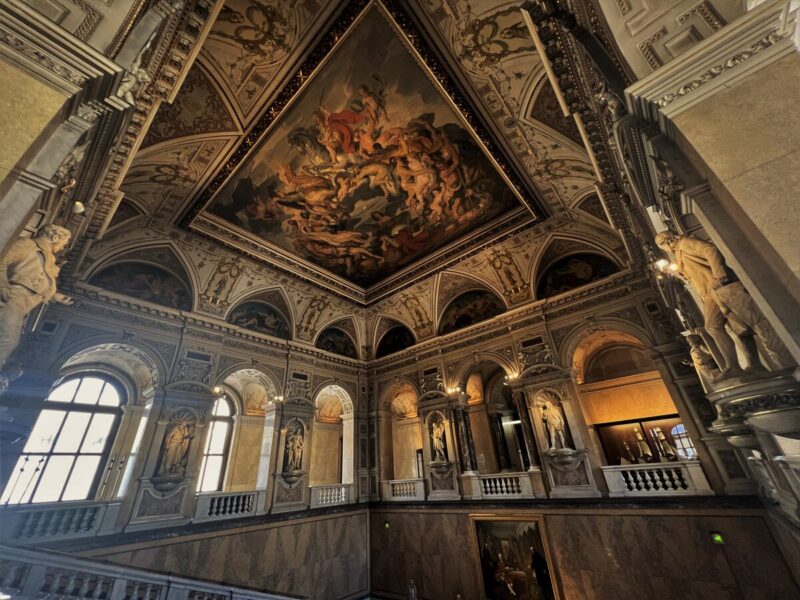
Choose Museums Wisely: With hundreds of museums, it’s easy to waste time and money if you don’t know what’s inside. Research each museum before visiting to make sure it aligns with your interests. I love precious gem stones and fossils – So I chose Natural History & skipped other art Museums of Vienna.
Free Attractions in Austria: Public squares, hiking trails street music concerts, dance classes, and movie screenings—there’s plenty of free entertainment in Austria. I’ve enjoyed spontaneous street performances and free events.

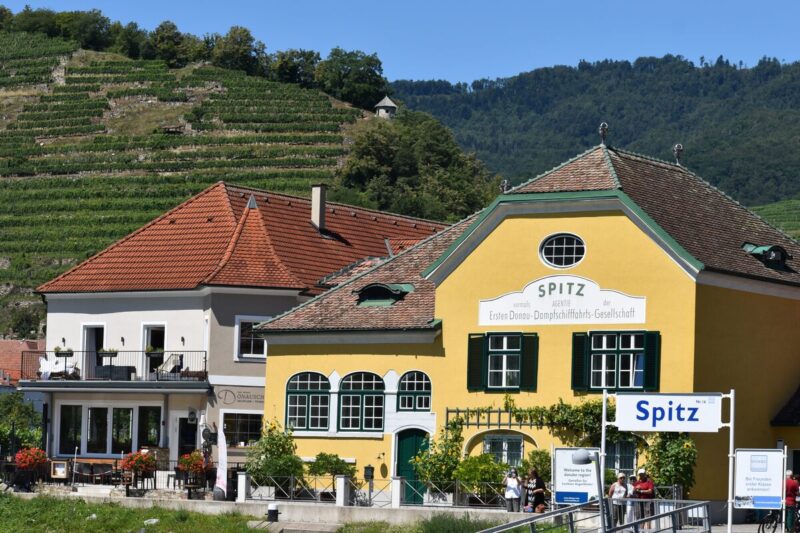
Look for Discounts and Free Days on museums : Many museums and attractions offer discounts, especially for kids under 19. Plus, some museums are free on the first Sunday of every month—check the schedule!
Don’t Visit Every Castle and Palace: Austria is full of castles and palaces. Choose one or two based on what interests you—whether it’s architecture, jewellery collections, or paintings. For castles, look for free options like the one in Durnstein, on the banks of the Danube.
Take Free Walking Tours: To understand Austria’s heritage and current culture, free walking tours and tip the guides as you wish (or if you wish)
Try on Guru Walking tours – I always go with them in Europe and some parts of Asia and have had the best experience with pro guide
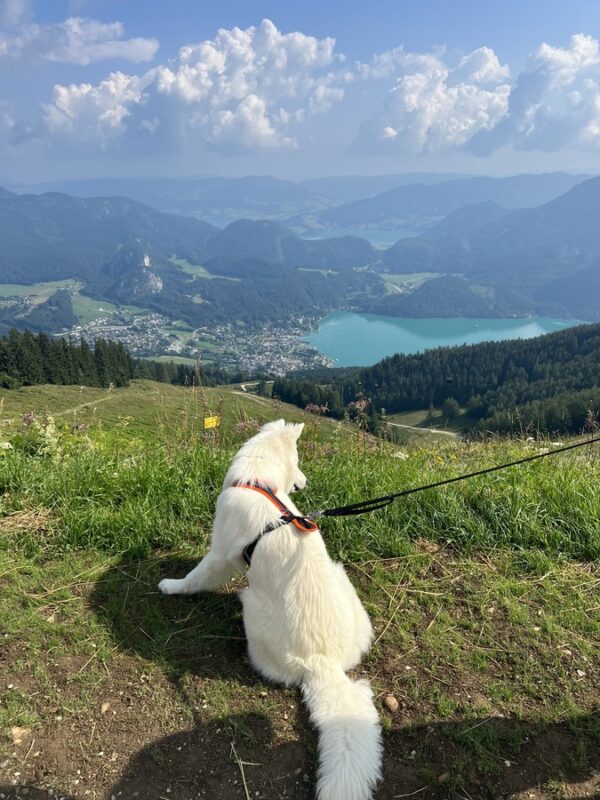
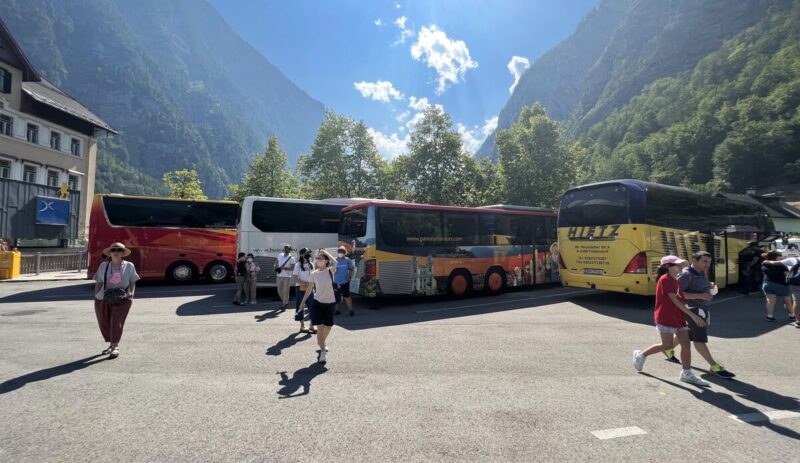
Don’t Book Tours for Everything: I explored most places on my own, except for visiting Grossglockner, the highest point, and Hallstatt. I could have easily done Hallstatt day trip by myself, just like I did to Saint Gilgen by Wolfgangsee. Skipping the tours gives you more freedom and saves money.
Avoid Overcrowded “Mainstream” Spots: Avoid tourist-packed locations like Hallstatt, which can feel overwhelming and expensive.
Common Mistakes to Avoid for Saving on Your Austria Travel Budget
Buying Eurail pass: These passes work for long-term EU travel, not short trips. For my 15 days in Austria, four train rides cost me €258, while a Eurail pass would have been €500+. Do the math before buying.
Going on Big Group Tours: They are pricey and don’t offer quality experiences. Exploring on your own or with a small group is better.
Compare before booking: While booking tickets or tours, compare both Viator and Get Your Guide to know which gives you more benefits in terms of cost and kind of experience you are looking at.
Shopping for clothes : You really can buy things beyond souvenirs in Austria. Clothing is not one of them. Even the traditional local clothing Dirndl for women is expensive.
Skipping Cultural Shows: Opera musical shows, Tyrolean folk performances, and classical concerts offer a true taste of Austria. They are slightly expensive but worth it.

Renting car without planning : High fuel prices, expensive parking, and hotel restrictions make renting a car a bad budget move unless visiting remote areas.
Buying city cards without calculating: The Vienna City Card offers discounts, not free entry and is a waste of money. Visiting every listed site is exhausting, making it a poor investment. But Salzburg and Innsbruck card are worth.
Not buying a local SIM: Reliable internet is essential for maps, transport schedules, and navigation.
Not getting Travel Insurance: Austria is safe, but unexpected expenses can be high. Medical emergencies, lost luggage, or trip cancellations make insurance essential.

Final Tips & FAQs
Sightseeing and Activities Budget in Austria
Major attractions cost €10-€25. Hiking trails are free. Activities like paragliding costs about €180-€200
How many euros should I prepare to spend in Vienna for four days and nights
Budget minimum €660 in Vienna for 4 days and nights in Vienna including accommodation food, transport, and activities
What is cheap in Austria
Supermarket food, public transport, and some local wines are affordable. Shopping and dining out are pricey.
Is Austria expensive for Indians?
Yes! In India, a clean local hotel filling breakfast with coffee costs around €1.5. In Austria, even a simple croissant and coffee at a train station costs at least €4.5.
Is 7 days enough for Austria?
7 days is the minimum to see Vienna, Salzburg, and a couple of day trips. 2 weeks lets you explore riverside towns and Tirolean villages. With 3 weeks, you can dive into hidden gems and lesser-known spots!
Food Budget in Austria
Expect to spend around €15-€30 per meal. Supermarkets and food stalls are cheaper, while restaurants are costlier. Cheapest food joints are found in train stations.

What Next?
Now you know what to do and what not to do to save money while travelling in Austria, may be it is time to pick destinations – Start with if you want to see Vienna or Salzburg, a major confusion among travellers.
Or should you get started with packing your bags for Austria summer trip with the right clothing?
Found our blog useful to plan your Austria trip under budget? Let us know in the comment section below.


