
Disclaimer: Some links in this post are affiliate links. If you book through them, we earn a small commission at no extra cost to you. See our Privacy Policy for details.
How to Plan a Trip for Beginners: 19 Simple Steps
People often ask us, “What goes into your trip planning and give us tips.”
I didn’t know if I had a step-by step process of planning all my trip although I was following some things unknowingly.
But as I wrote it down with more than eight experience as a traveller and 3 years as travel writer, I uncovered my almost-successful approach (I’m only human, after all).
It soon became clear that many beginners cancel their travel plans because planning a trip can be daunting.
This post is for beginners wanting to know. how to plan a trip without relying on tour organisers or being guided only to “touristy places”.
These 19 simple steps and practical tips will make your travel planning easier, helping you explore places at your own pace and travel more confidently.
FYI – The first three steps can be interchangeable! You can choose a destination based on the length of your vacation or your budget.

1. Pick your destination(s).
Simple sentence, but this job’s tricky especially as a beginner traveller.
Many waste time pondering where to go. As an architect and history buff, I already have a list of countries to visit.
Plus, Korean series to Turkish films, all kinds of screen entertainment inspire us to choose a destination.
When you plan a trip, you need inspiration to make it worthwhile.
Picking a random destination doesn’t cut it for vacationers; you’ll lack a clear purpose and wonder why you went there in the first place.
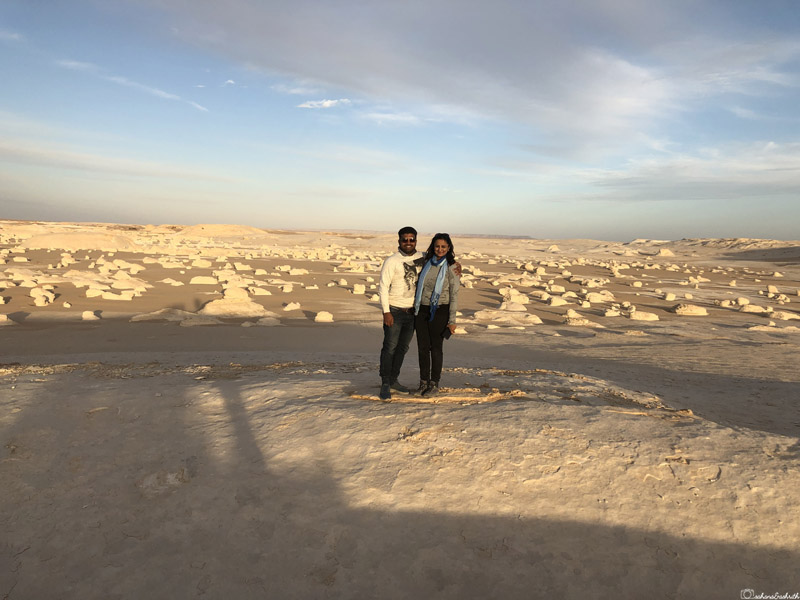
How to pick a destination while planning a trip?
Get inspired by local food, books, novels, movies, history, or recent events.
Pick destination that matter to you personally.
Select a destination suitable for your travel experience level.
We have travelled a lot since 2018, but I know we aren’t ready to hit places like Afghanistan or Libya..
Never make continent-wide vacation plans. E.g., “Planning a Europe or South America Trip” works if only you travel for six months at once.
Don’t choose destinations due to peer pressure; e.g., your friends going to Maldives or Switzerland for a honeymoon doesn’t mean you should too.
If we had to fall for peer pressure, Turkey shouldn’t have been part of our honeymoon.
Intend to experience the destination, not just check it off – Even Visa or Immigration officials may question your decision – Like I was asked by immigration officer in Thailand.
Consider trip length and budget – Aim for more.
Take Travel Tips from people who has travelled more.
Many, especially who has travelled to a country or tend to say that the place they have visited is best. You must pick your travel advisory source, carefully.
Using this list, narrow it down to one or two countries at least three months before your departure.
It’s a good idea to remember places you enjoyed from books or movies. This helps when you’re having trouble deciding where to go.
2. Decide the length of your trip.
When planning your trip, aim for more time!
Longer stays enhance your experience. Don’t think as a beginner you need to do short trips before you take on a bigger one.
In fact our first International trip was for 24 days! We were beginners.
Consider the season and weather too.
Unless it’s a tiny country like Vatican City, Andorra, or Monaco, spending just a day or two there isn’t practical.
If you’re aiming to just visit the capital and tick a country off your list without truly wanting to explore and experience it (which isn’t ideal), you could even hop from Paris to London in a day.
Don’t do it, there is not true joy in travelling to tick off! There is no fun in hopping between Paris, Amsterdam and Bruges in four days!
Also, knowing your trip’s cost depends on the number of days.
Alternatively, set your total budget and adjust your trip’s length accordingly.
I stayed five days in Munich with Mom and people said it would be too much – But it wasn’t!

3. Plan the trip budget.
No matter what the online frenzy tells you, travel isn’t cheap!
Regardless of your travel style or experience level, planning a trip starts with setting a realistic budget.
You need to know how much you can spend before you start booking flights, accommodation and activities.
I’m assuming you’ve saved up some cash for your trip like we both do.

Tips to plan your trip budget.
While planning your trip budget, take the following into account:
- Visa fees and processing charges
- Airfare costs during your travel season
- Accommodation choices: luxury, business, homestays, or hostels
- Location: pricey tourist neighborhoods for convenience or more budget-friendly areas
- Food prices in general.
- Mobile SIM
- Are you going to shop there.
- Public transport quality, cost and useful passes
- Uber/private taxi rates.
- Attraction costs, e.g., museums, palaces, national parks
To do this, use “Budget Your Trip.”They offer costs for different budgets, but we typically go with the medium budget option.
I read several backpacker travel blogs while planning my trip, even though I consider myself a mid-range flashpacker.
It’s important to learn from others’ experiences, and there are more blogs by backpackers than those focusing on mid-range travel.
Luxury traveler blogs, however, are quite abundant.
4. Get your leaves approved!
If, like us, you plan to travel while holding down a 9-5 job, the next step is to get your leave approved from your workplace.
Once that’s sorted, you can firm up your trip dates and proceed to apply for visas and book flights.
Tips to get your vacation leaves approved from your workplace
Submit a formal request.
Do things in prior to get more days off.
Like helping other team members in their absence so that they can cover you later. When requesting leave, be confident.
Don’t use phrases like, “I’m thinking of taking 15 days off, but I could do 10.” State that you need 15 days without offering alternatives.
To feel confident, you must have a history of good work and the trust of your team. Being ethical, putting in effort, and helping teammates when required are essential qualities for any employee.
Simply put, stop being difficult at work.
After approval, keep your boss informed and continue to remind them of your upcoming absence. Many bosses tend to forget and may suddenly assign last-minute tasks.
Before your trip, send a thank-you message. As a reliable employee, you have the right to take leave, but it’s a team effort to make it happen.
5. Apply for your Tourist Visa.
One of the biggest mistakes beginners make when planning a trip is underestimating how challenging the visa process can be.
I’ve noticed that many Indian travellers don’t realise how much time and preparation some visa applications can require.
Some underestimate it, submit half-baked documents, get rejected, and swear off travel.
Others find the process overwhelming and opt for domestic travel, which is great for exploring beyond just “Goa or Pondicherry.”
They forget legendary places like Madurai and Bijapur in Karnataka.
Some prefer to plan their trip only to countries that give Visa on Arrival like Thailand.
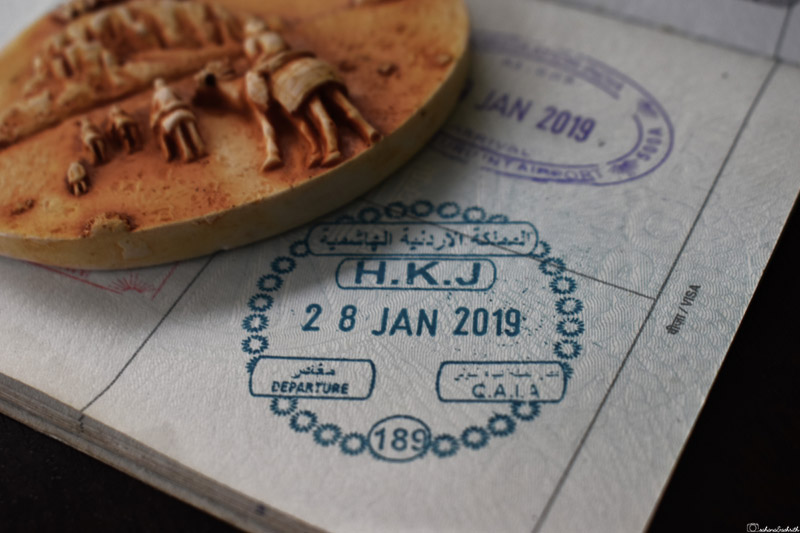
Tips to get tourist Visa with weaker passports
Plus, most embassy go on holiday during Christmas or their local holidays
Apply in advance, at least 50 days prior, as most consulates and embassies work weekdays.
Check for respective nation embassy’s holiday list. Most embassy go on holiday during Christmas or their local holidays.
We struggled to get our Egypt Tourist Visa due to Christmas holidays!
Use your destination country’s official website only to check
Check E-Visa or Visa on Arrival eligibility – Places like Jordan has some unique visa exemption policies.
For detailed document requirements for your citizenship.
Process duration and fee info to plan ahead.
Read blogs from fellow citizens who’ve successfully obtained a tourist visa.
Buy good Travel Insurance which is accepted in your destination country.
Ensure accuracy in bank statements, salary slips, and sponsorship details; it’s tedious but essential.
When applying for most tourist visas, have confirmed hotel and flight bookings; consider refundable options.
Create an itinerary that looks practical, even if you don’t follow it, for added credibility.
Seek help from reliable agents and sources if necessary.
You may also want to read “Best Travel Websites, Resources for Planning your Trip” before you start making actual bookings.
6. Get good Credit Cards.
Credit cards may not work as seamlessly as for Americans, but some offer discounts and free airport lounge access to folks like us.
Once you have your visa, check if your cards can get flight or lounge discounts.
Saving 5000 Rs with a credit card feels like an achievement when planning a trip, but never overspend and get into debt.
To dodge interest charges, pay your card bill in full and on time. Making partial payments leaves you owing interest on the remaining balance.
7. Book your flights.
Once you have your visa, determine your vacation length and book your flight. Booking your flight makes your trip feel real!
I don’t have a magic way to find the cheapest deals.
Not planning your trip during peak travelers seasons and not travelling on Fridays or Sundays is a key tip to get better airfare deal.
Christmas and New Year’s are typically the most expensive times to fly, regardless of your destination’s culture and religion.
Check what discounts you get on your credit cards and use it while booking flights.

Use Skyscanner to find cheapest ticket and least duration.
There will be more than just one airport in your destination city.
For instance, when my husband Ashrith travelled to London with his dad, he used Skyscanner to realise flight to London Stansted, was can be cheaper than the usual Heathrow option.
Tips for booking flights
Opt for flight itineraries with layovers to break up long, tiring flights especially as a beginner traveller.
Ensure your layover is a minimum of 2.5 hours; less can cause trouble if your flight is delayed.
Check if you need a Transit Visa during layovers and skip them.
Frankfurt needs Indians and many other countries to get a Transit visa unless we have a valid Schengen visa.
Review luggage allowances; cheaper, long-duration flights often allow only cabin bags.
Be cautious with airlines like Thai Airways and Cathay Pacific, which have a history of delays and canceled bookings.
Save money by not selecting a specific seat; request two seats together at the desk to save around 2000-4000 Rs.
Pre-book your preferred meal; it’s included in your price.
8. Sell off some things!
I used to read about selling belongings on many bloggers’ lists and wondered if it works. Trust me, it does!
Those traveling for six months together need to store their stuff, but short-term travelers like us can also make some quick cash by selling items.
That old DSLR you’ll never use, a spare mobile you thought you’d need, or that outdated but still working laptop may fetch you some money.
I got about 4000 Rs selling my useless laptop while going to Austria
It not only clears out your clutter but also feels like a bonus for the trip.
The items we sell while planning our trip are “investments.”
You can sell part of your mutual funds ( Do this based on your and expert mentor knowledge).
You might think you’ll need it when you’re old, but you never know if you’ll live to grow old. It sounds harsh, but it’s the truth.
9. Outline a to-do list
With extra money, plan the places and experiences you want. Have a list of what’s available in a city/town for your experience.
Variety is key; in Munich, add hiking trails along with palaces and museums.
In Istanbul, explore beyond history. Craft your itinerary personally. You don’t need hour-hour plan, but know what you’ll do.
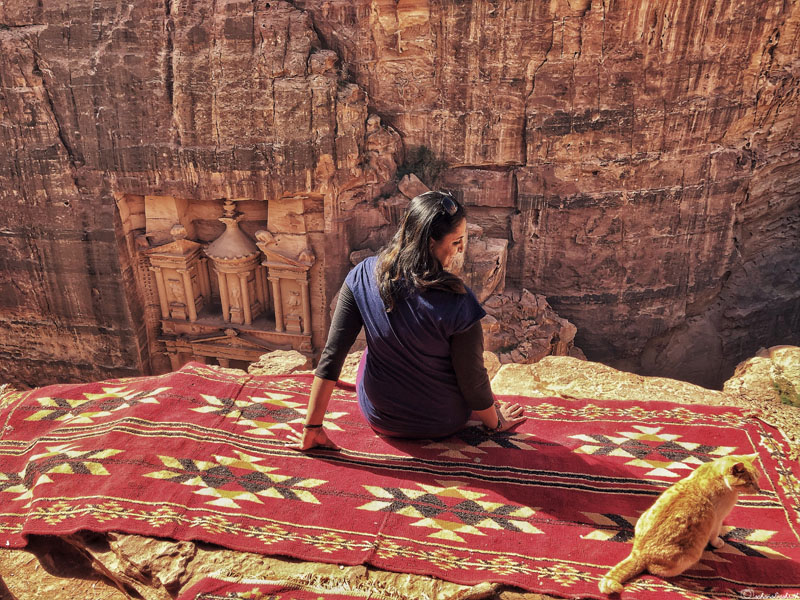
Remember, you can’t see it all, so pick what truly interests you.
7 days in Tokyo wasn’t enough for me; 4 days in Tyrol including 3 days in Innsbruck fell short for my mother and me.
Two days in Chiang Mai barely scratched the surface.
Day trips should be your last choice; our day trip to Bruges left me unsatisfied.
Along with the list check which public transport pass suits you and buy necessary pass if needed.
10. Book your accommodations.
Now you know what each town offers, making it easier to decide how long to stay.
In most places, spend at least two full days, unless it’s as touristy as Pattaya or Bentota.

Tips to find right accommodation while planning your trip as a beginner
Research the neighborhood – prices and accommodation types vary by area.
Select your preferred accommodation type – hostel, homestay, hotel, or luxury resort.
Crucial tip – Read reviews and book on reliable websites. Don’t solely rely on Google reviews or be swayed by photos. There are numerous agencies and AI tools generating fake comments and reviews for hotels.
Not all platforms are trustworthy and may cancel your booking at the last moment.
I typically use either of these platforms and select accommodations with a rating of 7 or higher: Booking.com and Agoda
Check for your specific needs – ensure the rooms are elevator accessible, have AC, and include an attached bathroom.

11. Book if you need any “skip the line” or activity tickets.
In many parts of the world, during your trip, planning is crucial for monument visits.
For example, in London, most palaces and museums open around 10:30 AM and close at 4 PM.
Neuschwanstein Castle has its own unique rules. Popular places like Petra’s entrance ticket lines will be as long as Nabatean trails.
In Japan, experiences like the Tuna Fish Auction in Tokyo and Sumo stable visits require advance permission and booking.
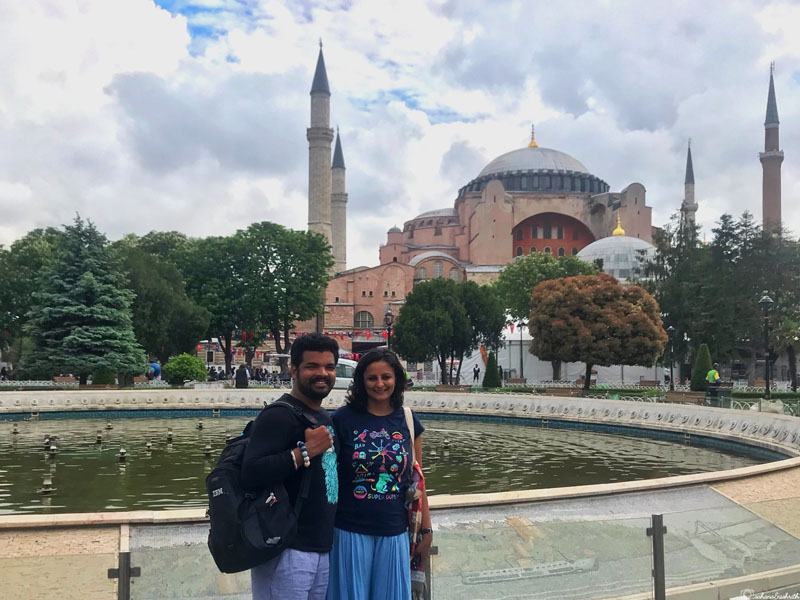
I recommend purchasing some of these tickets, but don’t fill your entire day with them.
It can be too stressful if your entire day is time-bound. Instead, plan one ticketed activity per day so that you have flexibility to explore at your own pace.
And, make sure to buy your tickets from trustworthy sources.
12. Check local regulations.
While on the road, I met travellers who said they didn’t know certain customs and rules in the places they visited.
For instance, some travelers were unaware that wearing a hijab is expected in Iran, or that grocery shops in Germany are closed on Sundays.

Doing a little research on local norms and customs is an essential part of your trip planning.
For example, a lady my aunts know visited the Netherlands on an organized tour and wasn’t familiar with how things worked there.
In a park, she interacted with a child as we often do in India, but the child’s parents became upset and thought she was attempting to kidnap the child, leading to a police intervention.
13. Go shopping if only necessary.
I confess, with the money we’ve spent on travel shopping in the last five years, we could have had a 15-day vacation in a Southeast Asian country like Thailand!
Dressing culturally and appropriately is essential, but personally, buying new clothes, especially modern Western clothing for a trip, doesn’t make sense to me now!
Purchase essentials only. Replace torn walking/hiking shoes or unusable trolley suitcase wheels.
If you’re traveling to a cold country from a warm one like India, consider buying your winter clothes there for better quality.
My favourite brand for winter clothes is Uniqlo which I bought from Japan – I intend to use it until it gets torn – i don’t care if I all my pictures have same jacket- Save money on shopping, spend it on travelling.
If you really like shopping, shop in your trip destination – It is more fun that way.
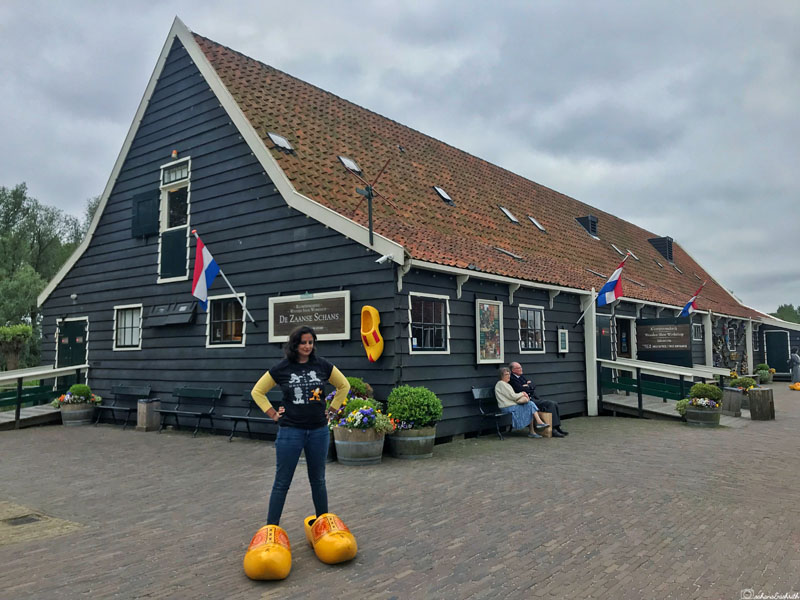
14. Get your medical prescription and medicines ready.
Each country has its own rules for permitted and banned medications. Paracetamol like India’s favourite Dolo may not be accessible everywhere.
When you can’t communicate in the local language, buying them can be challenging.
So, bring your daily medications, as well as generic ones for common issues like the flu and indigestion, along with a doctor’s prescription.
General Tips for Travellers Carrying Medicines
When traveling to other countries, never bring any medication without a doctor’s prescription. Some medicines available in your country might be prohibited or illegal to use there.
Don’t carry non-labelled medicines, as loose tablets and unlabelled liquids
For Ayurvedic or Homeopathic medicines, make sure they are properly labeled and not just loose powders in plastic bags.
My mom uses a lot of Ayurvedic medicines. I ensure we buy the ones with labels and ingredients.
15. Pack only essentials.
Do not overpack – It is a common syndrome among travelers. And the overpacked luggage is the first source of burden.
Think practically about what you’ll need based on the weather and your planned activities.
Packing an extra jacket and some spare underwear is a good idea, but there’s no need for an excessive number of shoes.
Focus on carrying outfits that work well for various occasions and can help you take good pictures without overloading your luggage.
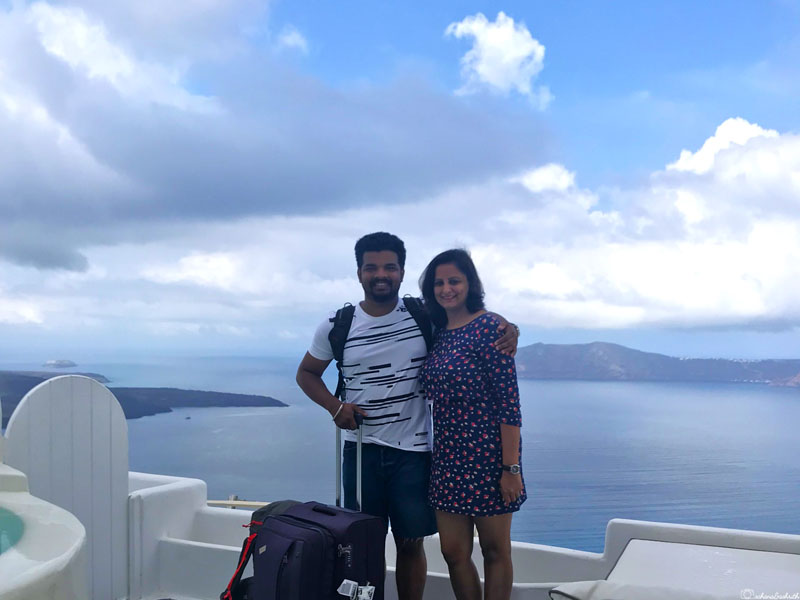
I prefer using a trolley suitcase and also carry an empty foldable rucksack bag.
If our budget allows for it, this bag gets filled with souvenirs by the end of the trip.
Otherwise, it becomes a laundry bag for dirty clothes like stinky socks and sweaty shirts.
Follow this Packing Check list.
- Passport with valid Visa
- 2 or 3 photocopies of your passport
- Another ID card from your country
- 3 or 4 passport size photos
- Local currency or currency for exchange
- Travel cards and credit cards
- Gadgets and electronics
- Medicine kit
- Basic toiletries
- Skincare essentials
- Undergarments
- Outfits (pack just 10 or fewer for a 15-day trip)
- Winter clothes (if necessary)
16. Keep a list of gadgets you want to carry.
Before carrying a load of gadgets ask yourself following things :
Consider if you’re truly a travel photographer before lugging around a DSLR camera.
Ask yourself if you’ll actually use those HD videos from a video camera. Nowadays, decent mobile cameras are usually enough for most of us.
Unless you plan to publish or sell your photos or create a personal gallery, your phone should suffice for taking pictures.
Will you really open your laptop during your vacation?
Do you prefer to sleep in airport or watch a movie on iPad during your layover?

Don’t forget to pack a plug converter for the type of plug points used in your destination.
Check if they are different from those in your home country.
Also, verify the voltage and wattage to ensure your devices won’t get damaged.
Carry the necessary tools for this purpose.
17. Cool off a day before you leave.
The transition period is important, especially for people like my spouse, Ashrith.
While I can transition quickly from work to vacation mode, Ashrith needs more time to unwind.
So, close your laptops, relax, and start dreaming about your next day.
You can think about the meals you’ll enjoy on the plane or whether the weather will allow you to see the mountains clearly during your trip.
Plan what time you’ll leave the next day to reach the airport, and make sure to arrive 3 hours early for any international departure
17. Cool off a day before you leave.
The transition period is important, especially for people like my spouse, Ashrith.
While I can transition quickly from work to vacation mode, Ashrith needs more time to unwind.
So, close your laptops, relax, and start dreaming about your next day.
You can think about the meals you’ll enjoy on the plane or whether the weather will allow you to see the mountains clearly during your trip.
Plan what time you’ll leave the next day to reach the airport, and make sure to arrive 3 hours early for any international departure
18. Keep tickets screenshots handy on the mobile device.
Most things are online these days, so you don’t have to print everything. Why waste paper when you can take screenshots?
Save screenshots of your flight tickets and accommodation bookings on your phone.
For instance, if you land at Amman and need a taxi before getting a SIM card, having these screenshots of address in separate folders can be very helpful.

19. Enjoy your trip!
And now, everything falls into place after your dedicated trip planning!
Get to the airport with your passport and luggage-Check in, dump the luggage .
Bear with those busy security check officers-answer question of your migration officials!
The fun starts! When in airport, there is nothing called as lunch or dinner time.
The excitement of your trip makes you want to eat.
Do it (airport food is expensive though). Board your flight!
You have earned this!
That satisfaction along with excitement when you land on a place what you have been reading past two months is now there!
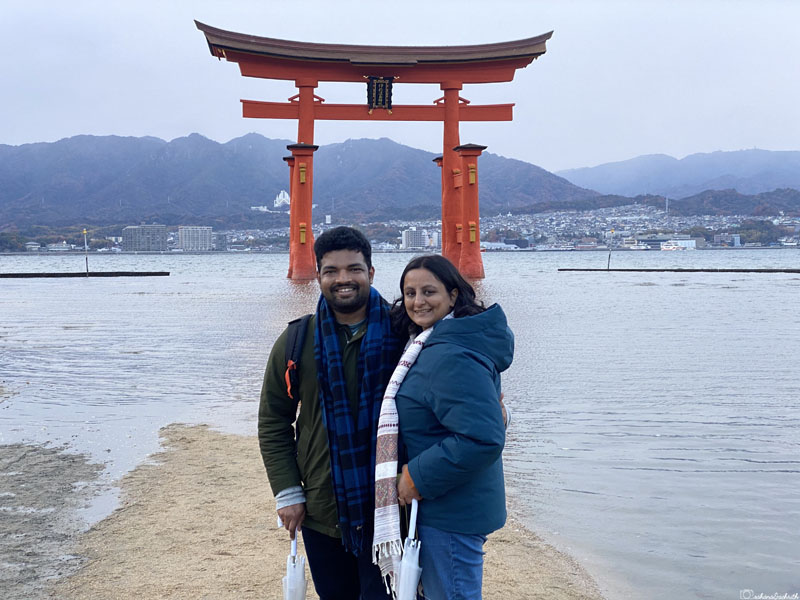
Don’t worry if you don’t know the language or are uncertain about some things – it’s absolutely fine!
We’re human, not robots. You don’t have to be perfect.
How to enjoy the trip?
To have an enjoyable trip, be flexible and get rid of a rigid checklist.
You have a list of places to visit and experiences to have, but don’t rush to tick them off.
Make sure to arrive on time for pre-booked tickets, and let the rest unfold naturally.
Embrace the beauty of unexpected surprises during your well-planned trip.
You don’t need to prove you’ve seen more than others; it’s about enjoying the journey. Stay open-minded and have fun!
You have already planned your trip well.
Trust your instincts and go with the flow.
Starting your day early is a great way to make the most of your trip! Use common sense and stay aware of your surroundings for safety.
Found our guide on Planning your Trip useful? Let us know in the comment section below.


So helpful and very well written! Thank you Sahana and Ashrith! 🙂
Thanks Anjuâ¤ï¸
Great tips! U had never thought of needing a doctor’s prescription for meds!
Hi Michael. Yes! Many of my family friends who are older were caught at airport for having meds with prescription. The medicines that are allowed in India Vs other countries, vary a lot! So we have to always carry one.
This is such a wonderful guide! Thank you for sharing!
Thanks Samantha 🙂
These are absolutely EXCELLENT tips! I agree and do most of these when planning a trip. I especially agree with ditching a rigid checklist. It creates stress and also limits spontaneous adventures or moments. Fabulous planning guide!
These tips are so helpful! Will definitely keep my trips more organized. Thanks for sharing!