
Disclaimer: Some links in this post are affiliate links. If you book through them, we earn a small commission at no extra cost to you. See our Privacy Policy for details.
How to Travel Japan on a Budget and Still Have Fun
For years, Ashrith and I dreamed of visiting Japan. He was eager to spend 24 hours in the gaming arcades of Akihabara.
While I, as an architect, couldn’t wait to explore Kyoto’s traditional gardens and temple architecture.
The bullet trains, fancy toilets, and stunning Mount Fuji were always on our Japan bucket list. But we kept postponing it for fear of Japan’s high cost of living for tourists.
After saving some money, we wondered if we could travel in Japan on a budget. We did it! We explored Japan for three and a half week without breaking the bank.
If you’re a flashpacker or budget traveller worried about Japan trip costs, we’ve got you covered with the best money-saving tips for Japan travel.
We promise it doesn’t include clichéd tips like saving money by not going to USJ or skipping Tokyo. We even encourage you to go shopping under budget in Japan.
These Japan budget travel tips are all about exploring Japan affordably in a clever way without compromising on experiences.

Pick Cheapest Time to Visit Japan
Travel in Off-Season: The first thing to do if you want to travel to Japan on a budget is to choose December, as it’s off-season for tourists and the cheapest time to visit.
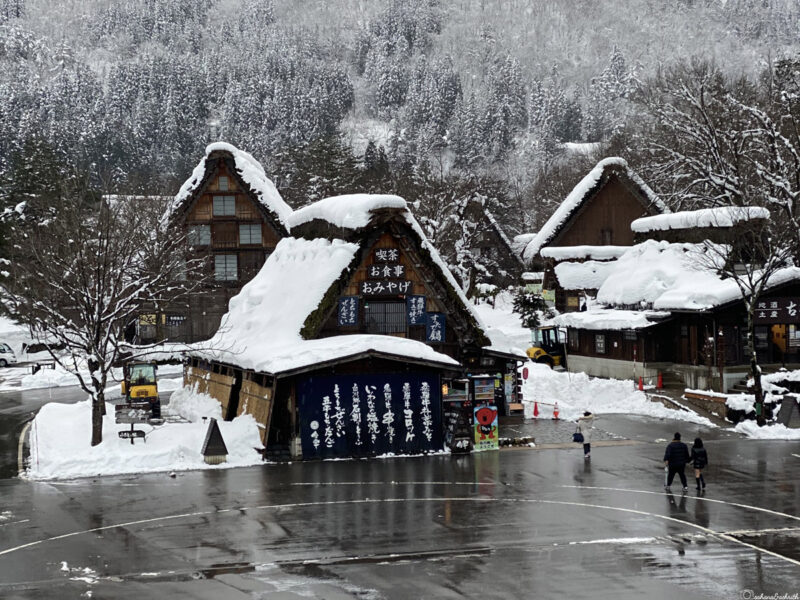
Avoid Sakura Season Prices: Sure, late March to May, during the Sakura season with its pink cherry blossoms, makes Japan look like it’s out of this world. But the prices? Quite the opposite!
Book for Early December: From the 1st week to the 3rd week of December, flight prices, hotel costs per night, and Universal Studios in Osaka tickets will all be at least 30% lower than during the Sakura season.
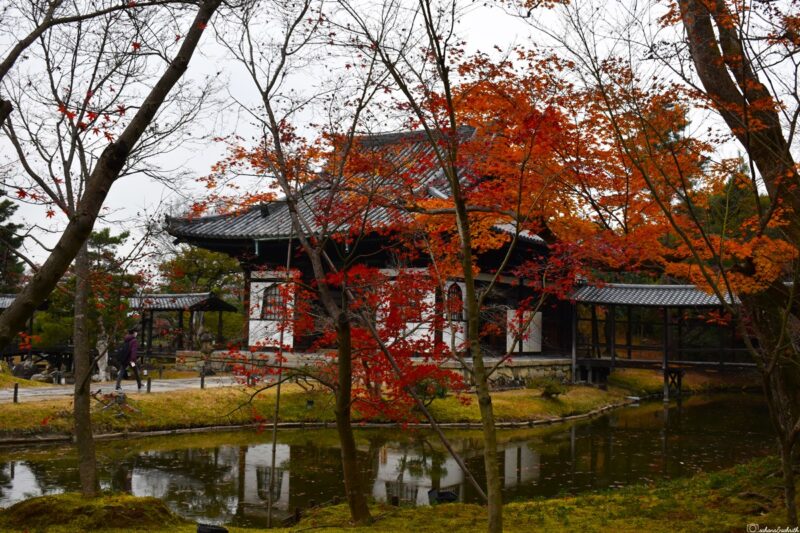
Consider Autumn Months: If not December, pick October to November, when Japan turns red and yellow with autumn leaves and is the second cheapest time to travel to Japan.
Planning your first trip to Japan? Here are 10 essential travel tips to make your Japan travel planning easier!
Find Accommodations For Japan On a Budget
Stay Outside Tourist Hotspots: Always pick your accommodations at least 4 km outside tourist hotspots in famous Japanese cities like Tokyo, Kyoto, Osaka, and Nagoya.
If you are staying in rural Japan, like Kawaguchi, choose a neighbourhood about 1.5 km away from the main attractions.
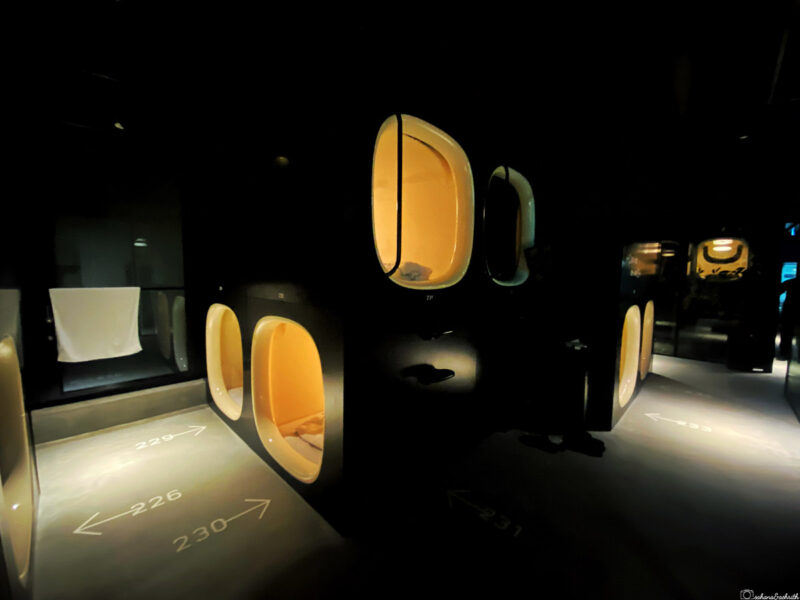
Choose Budget-Friendly Options like business hotels: From expensive Ryokans to capsule hotels, Japan offers a range of accommodations. For couples, consider business hotels or single rooms in hostels. Solo travellers can save money by opting for hostels or capsule hotels
Avoid Expensive Stays like Ryokans: Japan offers a variety of accommodations, from traditional Ryokan inns to Onsen in Northern Japan and also in central Japan near Nagano known for snow monkeys. Most of these are expensive and located closer to famous temples or hot springs. If you want to keep your Japan trip on a super tight budget, avoid these.
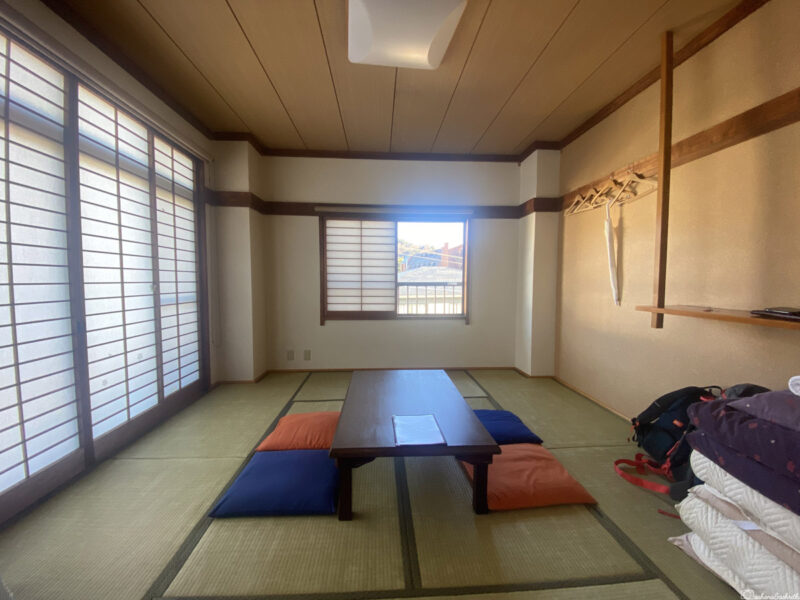
Go for Affordable Homestays: Alternatively, choose homestays outside tourist areas with traditional settings. We wanted to try Tatami mat rooms and found a single room in a hostel at Kawaguchi. It’s a great way to experience traditional Japan on a budget.
Skip Meal Plans: Don’t opt for rooms with a meal plan – their breakfast prices are on the higher side. Instead, head to a nearby 7/11 for breakfast.
Travel Overnight: If you are travelling long distances, like from southern Okinawa to Nagano in the north, travel by night so you can save on a night’s accommodation. Japan Buses and trains are super comfortable, even if it’s just a sitting coach.
Avoid Daily Cleaning Charges: Don’t opt for daily room cleaning – most accommodations, including hostels or business hotels, charge extra for daily room cleaning. When booking your stay in Japan, be careful not to tick the extra box that includes daily room cleaning.
Affordable Travel in Japan Using Public Transport
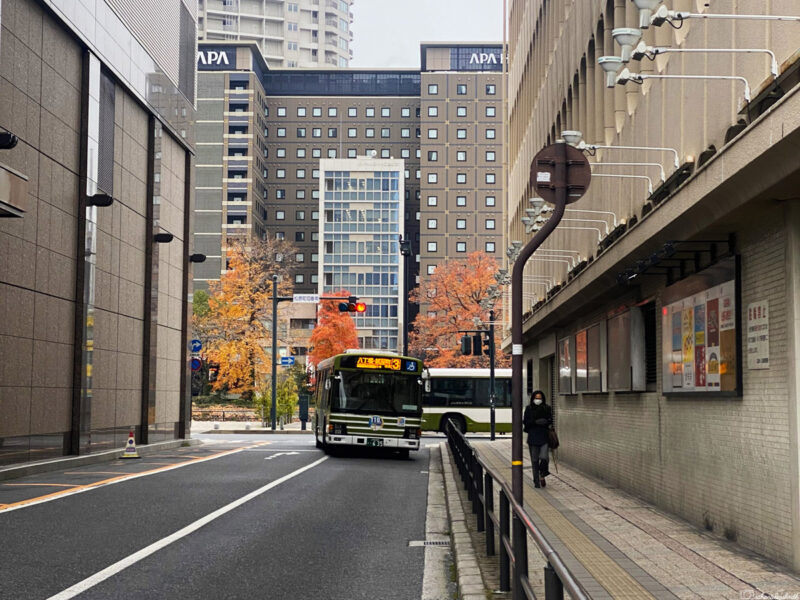
The cheapest way to travel japan on a budget is to ditch cabs or car rentals and use public transportation, everywhere in Japan.
Japan’s public transport isn’t free. Like in Austria’s train, you will always be checked for a valid ticket. It’s rare for people to get caught without one, but officers and drivers do check everyone’s tickets.
During our 3-week trip in Japan, we used 99.9% public transport – metro, bus, tram, local trains, and Shinkansen.
Cost of Public Transport in Japan: Taxis will cost you around 2,000 yen for a 2 km ride. For the same distance on a tram, bus, or metro, it costs a maximum of 200 yen!
Japan Public Transport Timings: No city in Japan has 24-hour public transport (including Tokyo’s airport monorail). In Tokyo, buses and trains stop by midnight.
While other towns like Hiroshima and Kyoto stop their transport services by 10:30. Past that time, cabs are your only choice.

Avoid Late-Night Cabs: We only took a cab once when Tokyo’s public transport stopped after midnight, and we had to reach our hotel by taxi. Make sure you land on time so you can reach your hotel by bus or train and avoid expensive taxis after public transportation stops
Save on Transportation: To save money on public transportation in Japan, check each city’s passes. There’s no “one pass fits all” for the entire country, not even the Japan Rail Pass.
Choose the Right Pass: In some places like Tokyo a daily Metro pass or other e-passes in Osaka that includes entry fees in their pass might not work for everyone. Using an IC Card like SUICA can be cheaper.
Consider Local Passes: In areas like the Fuji Five Lakes or Kyoto, daily passes are often the most cost-effective. Hop on Hop off bus rides in Tokyo is also extremely useful and worth as the city is too big to explore even if you stay for a week.
Japan Rail Pass for Tourists: When to Buy and Alternatives
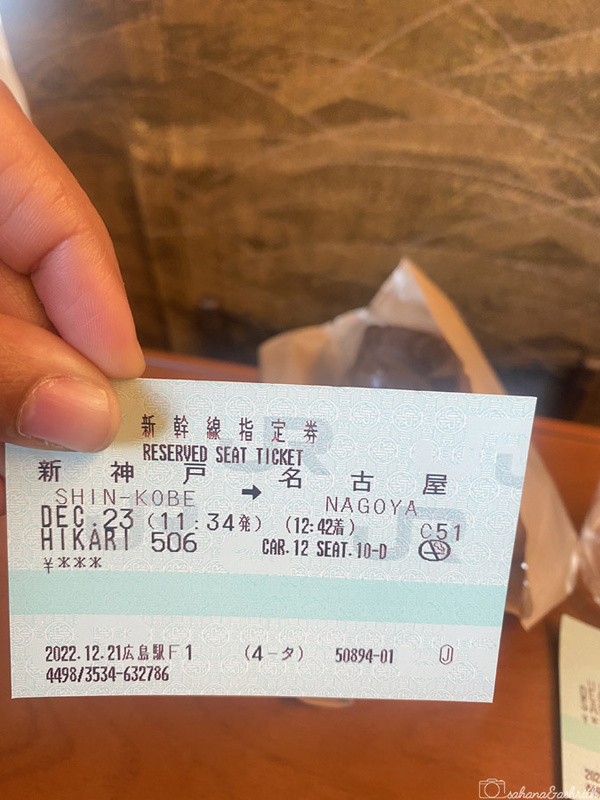
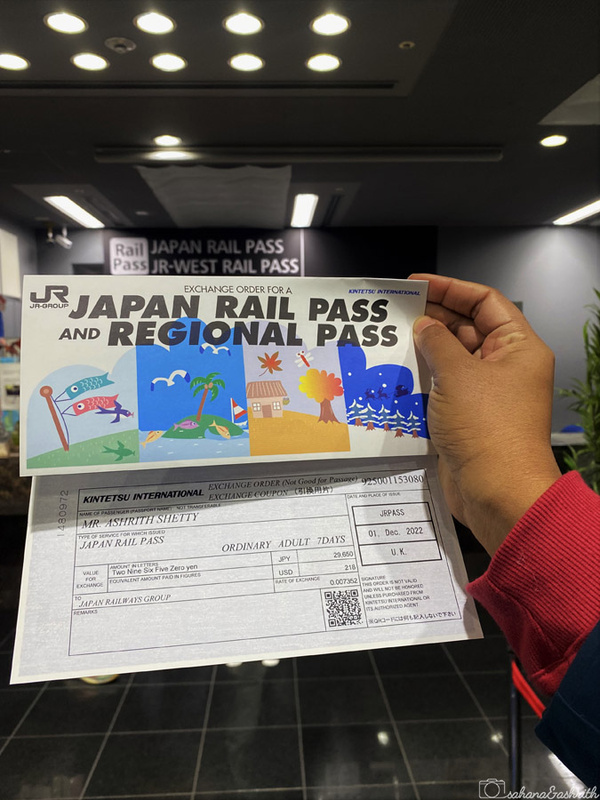
Many travellers think the JR Pass is essential, but it isn’t always the best choice. Before buying, calculate if it’s worth it for your trip, as alternatives like regional passes or individual tickets might be cheaper.
We only needed the JR Pass for one week of our 3-week trip by planning our journeys smartly.
Check our detailed post to see if you really need a Japan Rail Pass. If not what are the alternatives?
Finding Cheap Food in Japanese Supermarkets and Restaurants.
No Need to Cook: You don’t have to cook to save money on food in Japan – Kombini Convenience stores have fresh packed food and coffee vending machines.

Try the Convenience Stores: The bread and coffee you find there are just as fresh as in any cafe. 7-Eleven is our favourite for the widest breakfast options. Lawson is great too – their bread with whipped cream is one of the best dishes in Japan.
Don’t Count on Evening Discounts at Kombini: I read everywhere that Japanese supermarkets sell food at discounted prices in the evening. We shopped at Kombini at all times and never found any discount tags on the food.
Eat at Metro Stations: Metro station restaurants are great for affordable Udon and Ramen. Even train station starbucks are cheaper.

Use Vending Machines: Japan’s vending machines are epic. Standard machines offer canned juices and hot coffee (yes, hot coffee!) for less than 150 yen. There are even vending machines for sandwiches and ramen!
Have desserts at 7/11 : Japanese, desserts are underrated. And of course expensive. But you can try them in 7/11.
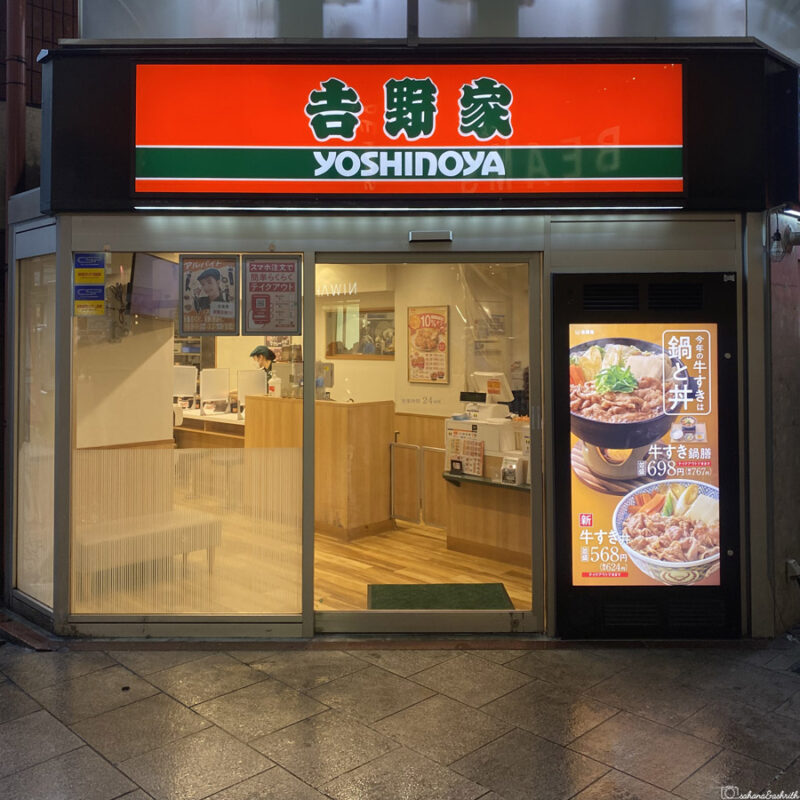
Explore Chain Restaurants: Japanese chain restaurants like Yoshinoya serve amazing rice bowls. Lotteria and Mos Burgers offer some of the cheapest yet most delicious food.
Snack at Starbucks: Starbucks is cheaper in Japan than in India and many other countrie. Plus they serve some Japanese-influenced dishes along with continental options.
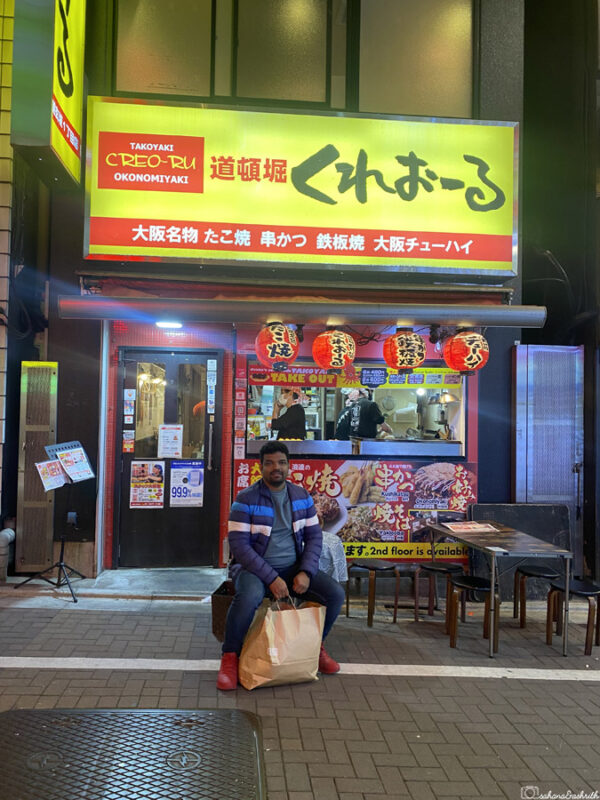
Choose Street Food: For authentic local Japanese food, stick to street food or carts. Don’t dine in at restaurants for dishes like Sushi, Takoyaki (octopus balls), and Tempura when you can enjoy them from street stalls. Avoid queuing up at popular places; it might be tempting, but not if you’re on a budget.

Fill Up on Free Tap Water: Japan’s tap water is safe to drink. Fill your reusable bottle to save money, as bottled water costs around 130 yen.
Avoid Tourist Neighbourhoods: Don’t eat in tourist hotspots where food is often more expensive and altered to suit tourist tastes.
Beware of Expensive Temple Meals: Temple meals are a great experience but pricey (4,000-5,000 yen). We tried temple meals once in Arashiyama to experience a vegetarian Japanese temple meal.
But there are other ways to find vegetarian food in Japan without the high cost.
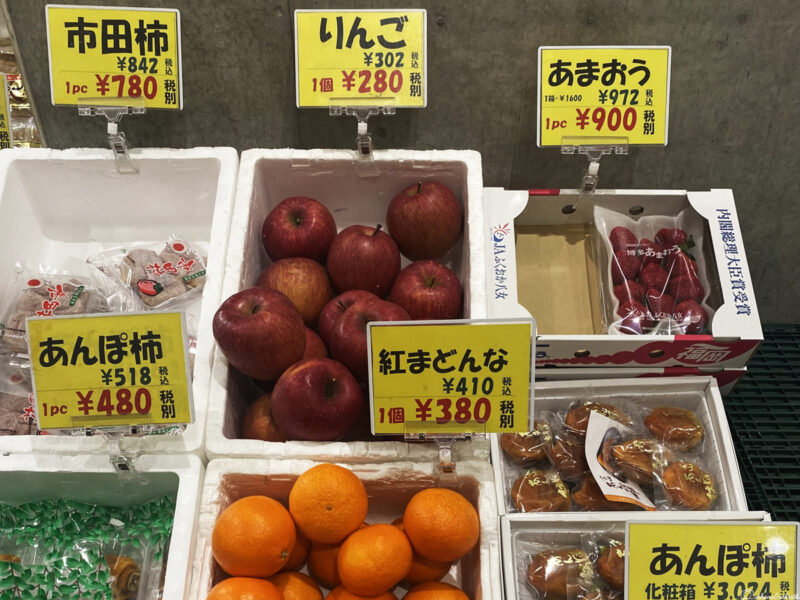
Skip the Fruits: Don’t buy fruits – one apple costs about 280 yen (168 INR or 2 USD)!
Cheap Activities And Attractions In Japan For Budget Travellers
Book Local Adventures on Rakuten: Some traditional experiences in Japan require you to be accompanied by Japanese guides.
You can book these local adventures on Japan’s Rakuten Experiences for reasonable prices. It’s easy to book on Rakuten, and their customer service is good. Plus, they are reliable, legit, and affordable.
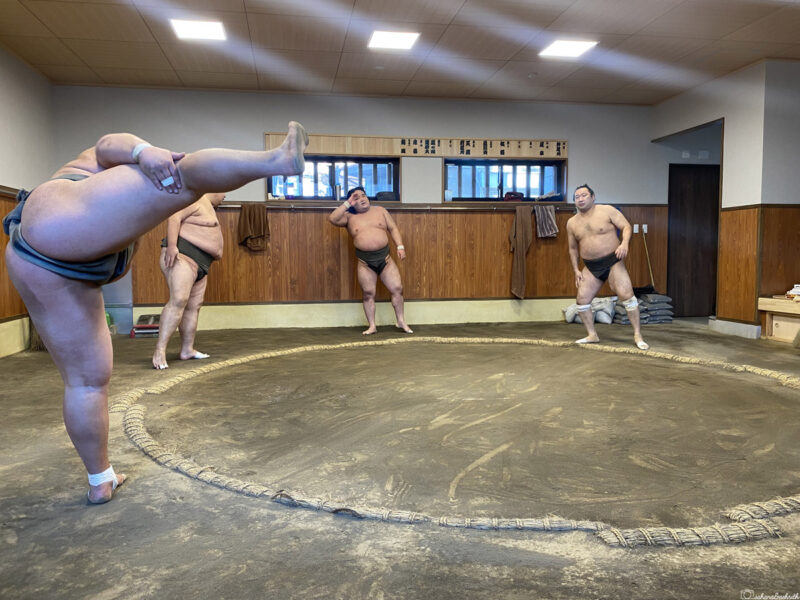
We booked Sumo Morning Training watching session in Tokyo, teamLab Planet tickets and many more on Rakuten easily.

Pick Free Things to do in Japan
Find Free or Low-Cost Attractions: Not everything you want to see in Japan costs money. You can find parks, temples, and other attractions that either cost nothing or have low fees.
Visit Public Gardens: Choose public gardens to experience traditional Japanese gardens instead of visiting temple gardens that charge entrance fees.
Pick Free City Viewpoints: Look for free viewpoints in the city – many metropolitan buildings have terraces open to the public. For example, you need not pay to see Osaka castle from the garden. You need to pay only to enter inside.
Join Free Walking Tours: Many enthusiastic locals offer free walking tours in Japan, covering everything from pilgrimages and urban planning to culture, food, or bar hopping.
Choose your area of interest, and join in! You’ll learn more from a local Japanese guide than anywhere else. Just remember to tip them whatever you feel is appropriate.
Plan Your Sightseeing “Area-Wise” for Maximum Savings
Pick One Neighbourhood a Day: Focus on exploring one neighbourhood a day to save time and money on buses and trains. Whether you’re in a small town like Kawaguchi or a big city like Osaka, planning to explore the city neighbourhood by neighbourhood is the best way to save on transport costs and time.
Take Your Time in Each Area: If you want to visit Hiroshima Peace Memorial Park, for example, make that your focus. You’ll need at least 3 hours there. Instead of heading to Miyajima Island ( the famous floating Tori near Hiroshima) right after, wander around the same neighbourhood – there are castles, markets, and a riverfront to explore.
Plan Wisely for Other Cities: The same idea applies when exploring Nagano – spend a full day in Nagano City itself and don’t try to fit in the hot springs on the same day. Combine the hot springs with the Snow Monkey Park at Jigokudani and Yudanaka Onsen the next day.
Ditch the Checklist: You don’t need to make a checklist of places to see in a city – in fact, these checklists can be annoying and stressful. Just have an idea on one main place and keep walking to explore more nearby places.
Travel Japan On a Budget by Planning in Advance
No matter what people say about planning a trip, a Japan trip really does need to be planned ahead for several reasons – it’s one of the most popular tourist destinations in the world.
Not just accommodations, but some entry tickets for places get booked up quickly.
Buy Your JR Pass Early: If you decide that a JR Pass is worth it, make sure to buy it at least a month in advance, as you need “JR Pass Exchange Order” in hand have it before entering Japan. Delivery usually takes 7 to 8 days to reach your home address.
Book Flights in Advance: Last-minute flight tickets can be super expensive! Plan ahead to find the best deals to Japan. Use Skyscanner to check all possible air travel options.
Use Miles or Points: Book your flight tickets using miles or credit card points at least 2 months in advance for the best rates.
Avoid Peak Season: Don’t plan to fly to Japan during the week of Christmas or New Year’s.
Choose Tokyo Airports: Tickets to Tokyo airports are usually cheaper than those to Osaka. So, plan to land in Tokyo, preferably at Haneda Airport, which is closer to the city and has better air connectivity.

Shopping wisely for Japan Souvenirs on a Budget
With everything being expensive, shopping in Japan might double your trip cost. But there are ways to shop without going broke.
Take Advantage of Tax-Free Shopping: Unlike in EU countries, where the tax refund is done at the airport when you leave, Japan offers tax-free shopping directly at the shop when you pay. The bill amount should be a minimum of 5,000 yen.
Get a 10% Reduction: You usually get a 10% reduction on your bill due to Japan’s tax policies for tourists. Always carry your passport with a Japan tourist visa sticker and ask the shop if they offer a reduction before you start shopping.
Beware of Cute Temptations: Japan has a knack for making everything cute – like those colourful rice cookers. It’s easy to get carried away while shopping, so keep an eye on your bank balance to avoid going bankrupt!
Never step into Taito Game station and Gatcha Gatacha – Gaming stations and gatcha gatcha machines are too addictive. We did wasted some money in both of them (it was fun though)
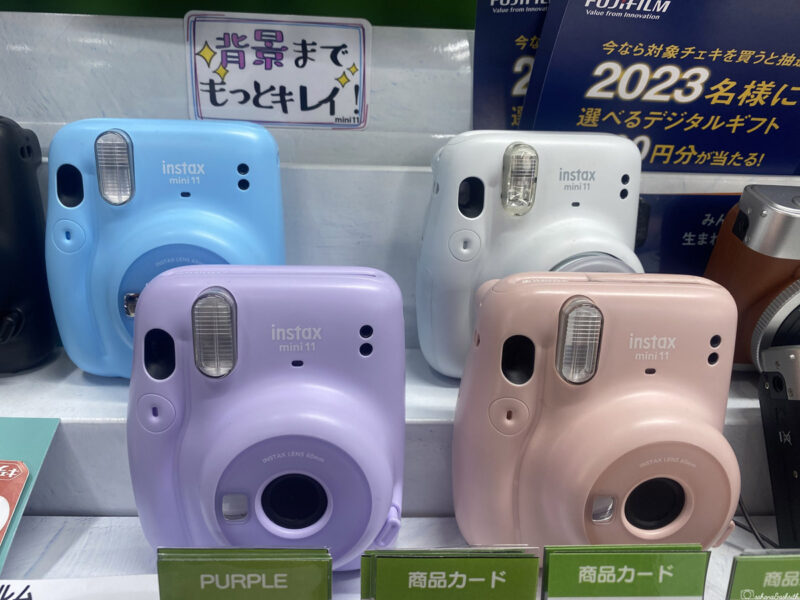
Electronics in Japan: Japan is an ocean of electronic items, and iPhones are often cheaper than elsewhere. But remember, not everything is!
Using Technology to Save Money on Your Japan Trip
Discount Apps: Use apps like Japanican, Klook, or Voyagin for discounted tours, activities, and attraction tickets.
Use Public Transport Apps: Download apps like Jorudan Transit for Japan travel to plan train routes, schedules, and costs effectively. Jorudan shows all routes, including metro, local trains, buses, and ferries, allowing you to choose the cheapest and most efficient public transport. It’s not always the trains that are cheapest; sometimes, buses are, too.
Digital Payment and Cashback Apps: Use wallets like Suica or Pasmo cards for discounts on transportation and some retail purchases. We used Suica, which could be recharged whenever needed and got us small discounts on public transport.
Stay Connected with a Japan Mobile SIM: To avoid international roaming charges, purchase a Japan Mobile SIM. This keeps you connected to use all essential apps for navigation, translation, and money-saving deals. I don’t recommend pocket Wi-Fi; having an actual Japanese number is more useful.
Leverage Free Wi-Fi Hotspots: Download apps like Japan Connected-Free Wi-Fi to find free Wi-Fi hotspots throughout Japan, especially in urban areas, to reduce your data usage costs.
Eat Like a Local with Restaurant Apps: Use apps like Gurunavi or Tabelog to find local restaurants with good deals or discounts, and HappyCow to find affordable vegetarian or vegan options. HappyCow helped me a lot in finding vegan and vegetarian restaurants.

Things not to do to save money while Travelling in Japan
Don’t Skip Tokyo: Even though it’s one of the most expensive places for travellers, with some planning, you can explore Tokyo without spending much.
Use Luggage forward service : Japan’s luggage forwarding service gives you convenient, hassle-free transport of bags between airports, hotels, and destinations, enhancing travel ease. It typically ranges from ¥2,000 to ¥4,000 (about $15 to $30 USD) per piece, depending on the size, weight, and distance of the delivery. Additional fees may apply for same-day delivery or special handling.
Don’t Miss Out on History and Traditions: Don’t cut down on experiencing Japan’s rich history and traditions during your visit.
Don’t Hesitate to Buy Winter Wear at Uniqlo: It’s cheaper, of the highest quality, and worth every yen.
Don’t Forget to Stock Up on Heat Packs: They’re a winter essential in Japan, available in supermarkets.
Don’t Pass on Sake: Sake is affordable and, in my opinion, the best “feel-good drink” in the world.
Don’t Miss Jiggly Cake in Osaka and Kichi Kichi Omurice in Kyoto: These local delicacies in Osaka and Kyoto are worth every yen and aren’t very expensive.
Don’t forget Travel Insurance : Japan is one of the cleanest and safest countries n the world. The chances of you falling sick due to food infection is very low. Stil, you shouldn’t save money by not buying travel insurance.
Don’t Visit Every Paid Attraction: Be selective about paid attractions and avoid those that aren’t worth it, like maid cafes, animal theme cafes, or robot shows.
Don’t Overdo Temple Visits: Avoid visiting every temple in every city; towns like Kyoto and Nagano have over 100 temples (including temple stays), and it’s unnecessary to see them all.
Don’t Stick to Just Modern Neighbourhoods: In Tokyo or Osaka, don’t limit yourself to modern areas. Add a mix of experiences to enjoy Japan fully.
Japan Travel Budget: How Much Do I Need Per Day?
If you’re planning a trip to Japan, you can expect to spend around $100 to $145 per person per day, depending on how you like to travel and when you travel
Japan travel expenses breakdown during off season.
- Accommodation: For a basic place like a hostel, it’s about $50 per night. Mid-range hotels cost around $110 a night, and if you go for luxury, it can be $245 or more per night?
- Food: You’ll spend about $25 to $35 per day if you’re eating at a mix of convenience stores, street food, and occasional sit-down meals. A meal at a cheap restaurant is roughly $10 and a nicer three-course dinner might cost you around $20
- Getting Around: Using public transport like buses, subways, and trains costs about $20 per day?
- Activities and Fun Stuff: Think about $20 a day for things like museum tickets, sightseeing, or day trips?. If you want to go for cultural shows, it costs more.
So, if you’re a mid-range traveller, budgeting around $120 to $145 per day (excluding flights) should cover most things.
How much does a 3 Week Trip to Japan in December Cost
For a 3-week trip to Japan in December (during the off-season), a mid-range budget for two people would be about 1,050,000 yen (around $7,300 USD).
This is what we spent which includes :
- One-month tourist visa fees
- 2 SIM cards
- 20 nights at a budget business hotel
- Breakfast and coffee from 7-Eleven
- Lunch and dinner at local eateries and street food stalls
- Luggage forwarding services
- Only use of Japanese public transportation (trains and buses)
- A 7-day JR Pass (you won’t need it for every day of your trip)
- A day at Universal Studios
- Unique experiences like visiting a Sumo Morning Practice session , attending a tuna auction in Tokyo, and various attraction entry fees
PS : We have spent 24 days in Japan. For costing, we considered 3 weeks.
Not included:
- International flights
- Shopping (Japan offers plenty of unique and practical items beyond typical souvenirs)

FAQ
Is $100 a day enough for Japan?
$100 a day is enough for backpackers in Japan covering basic accommodation, meals, and local transport. For flashpackers or mid-range budget travellers, you need a minimum of $170
What does the average trip to Japan cost?
An average trip to Japan costs around $120 to $145 per day, including mid-range accommodation, food, transport, and activities.
How long Should I spend in Japan as a tourist?
A 4-day trip is ideal for tourists to explore Japan’s major cities and cultural sites comfortably.
Is Japan expensive for Indians?
Yes, Japan is relatively expensive for Indians due to the cost of flights, accommodation, and dining out.
Where should I start my trip in Japan?
Start your trip in Tokyo, the capital city, which offers excellent connectivity and diverse attractions.
Done with budgeting your Japan Trip? What to do Next?
Getting a rough idea on how much you need for a trip is such a relief. But it is not the end of your trip planning.
So now, consider learning how to use Japan public transport like a pro – Trust me, country’s bus and extensive rail network is super efficient.
But if you don’t have an idea on how to use it, it feels like a puzzle.
Found our tips useful to travel Japan on a budget? Let us know in the comment section below.


