Disclaimer: Some links in this post are affiliate links. If you book through them, we earn a small commission at no extra cost to you. See our Privacy Policy for details.
20 Japan Etiquettes and Customs Travellers Must Follow
Japan may seem relaxed with its stylish fashion and easygoing attitude towards religion, but it actually follows many customs and traditions that tourists should respect.
The do’s and don’ts in Japan may feel overwhelming at first, but we found them easy to follow. By the end of our 24th day, we kind of got used to all the customs.
Unlike in places with strict moral policing, like Iran, there’s no punishment for missing a few!
These rules help keep Japan so clean and safe.
This Japan etiquette guide will give you the basics on how to behave in Japan, with simple tips on manners and customs every traveller should know to enjoy their trip more while respecting local culture.
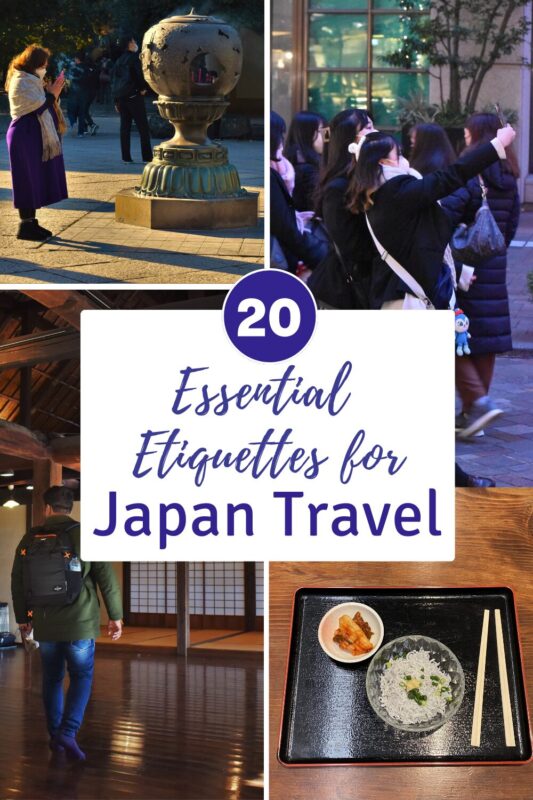
1. Don’t Ever Skip Waiting Lines in Japan
The Japanese never cut in line, even if they’re in a rush—whether it’s for a toilet or a popular café. So, get comfortable with waiting, no matter how long the queue is!
When I visited Kiyomizu-dera Temple in Kyoto, I dashed to the public toilet, only to find a long queue. I could tell some guys had fuller bladders than mine, but they waited patiently, and so did I for my turn!
2. Do Always Follow Escalator Rules
In Japan, just like in Vienna, the rule is to stand on the left side of escalators and walk on the right.
Unless you’re in a rush to catch a train or metro, don’t stand on the right side of the escalator—you’ll block those who are in a real hurry. Keep to the left if you’re standing still!
Planning a trip to Japan for the first time? Check this essential things to know about Japan before you go.
3. Don’t Be Late for Cultural Shows or Guided Tours
Japanese people are super punctual—like, to the minute!
If you’re doing tours like the tuna auction, heritage walks, watching Sumo training, or food tours, make sure you’re on time.
Unless there’s a blizzard or flood, everything in Japan, including public transport, runs on schedule. Being late is seen as really rude, though they’re too polite to call you out.
They might just ask why you were late, but deep down, they won’t be happy hosting or guiding you if you keep them waiting!
4. Do Follow Indoor Manners

In Japan, indoor manners are all about footwear. Always remove outdoor shoes at the entrance when asked and wear slippers provided by the host.
If staying in a Ryokan, a traditional Japanese hotel, ask your host for rules – It includes no footwear inside, late night closing time, keeping your voice down etc.
Most accommodations in Tokyo including business hotels bans indoor smoking. Don’t forget that.
Follow rules on indoor photography; some places may prohibit it. Check for signs or ask the staff if unsure.
5. Don’t Rush to Take Photographs at Famous Tourist Spots
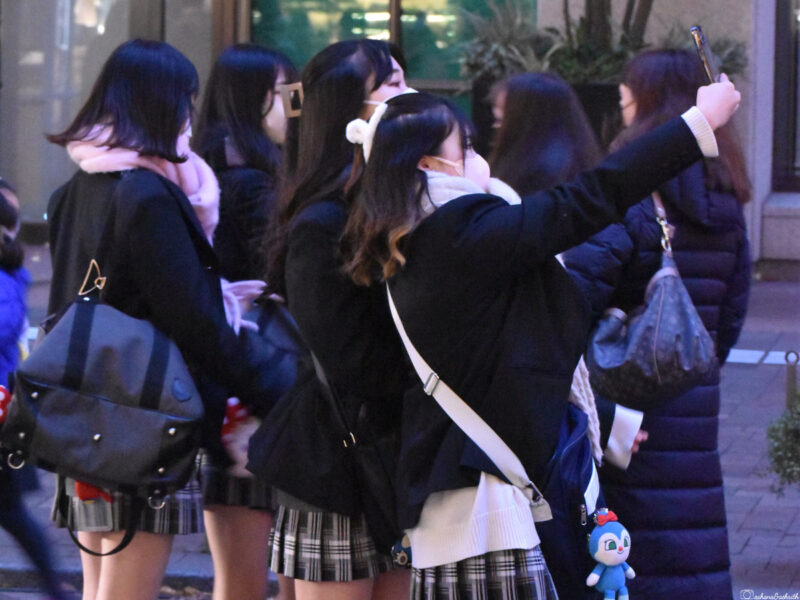
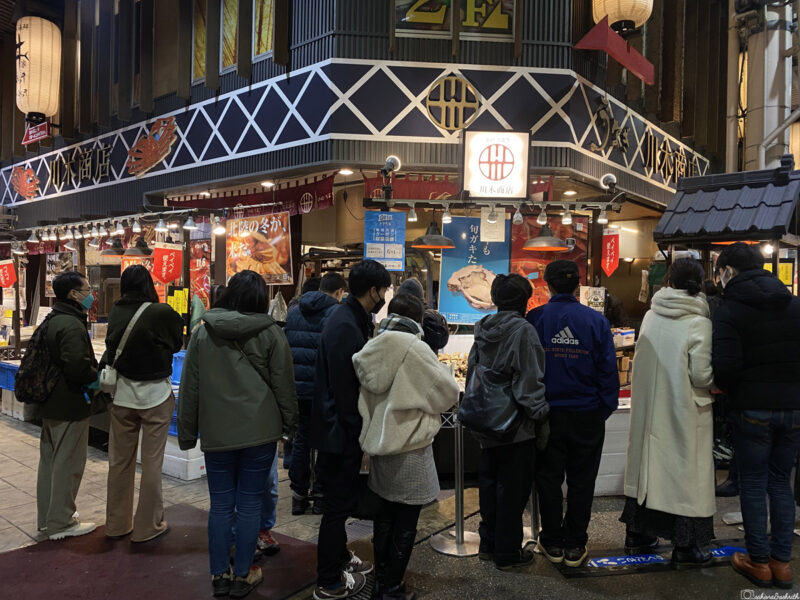
The Japanese love taking photos in different poses, whether at Mount Fuji’s Chureito Pagoda or Shirakawago viewpoint.
Don’t rush them—everyone, including locals in kimonos, wants their perfect shot. But they do it quickly!
From our observation, they switch poses every 3 seconds, like models, snapping around 30 photos in a minute. So, be patient and wait your turn!
6. Do Treat Geisha with Respect, Not as Photo Props
Geisha are talented artists in music, dance, and conversation, and a big part of Japanese culture.
They wear stunning kimonos, with detailed patterns, unique hairstyles, and traditional makeup.
Always treat them with respect—don’t treat them like a photo prop! If you want a picture, ask politely and respect their privacy. They’re cultural icons, not tourist attractions.
7. Don’t Talk Loudly in Public Places

In Japan, speaking loudly in public is a big no-no! The Japanese prefer to keep public spaces quiet and peaceful, so everyone can relax.
You’ll notice that people mingle in a more low-key way—chatting softly, sharing smiles, giggling and being super polite. Instead of loud conversations, they often connect through subtle gestures and respectful behaviour.
Keep it chill, and blend in by keeping your voice down—no one needs to hear your holiday plans from across the park!
8. Maintain Public Hygiene and Follow Garbage Disposal Rules

In Japan, public hygiene is a serious matter. Don’t expect to find bins everywhere—carry your rubbish with you until you find one!
The Japanese take pride in their clean streets, so follow their example and sort your waste properly.
Tap water in Japan is perfectly fit for drinking and every traveller does that to save money on their budget trip. So you never find used plastic bottles on street and in bin.
Everyone pitches in to keep things tidy, which is why public spaces stay spotless. So, show respect and help keep Japan beautiful—don’t be the one leaving litter behind!
9. Don’t Wear Strong Perfumes
Skip the strong perfumes in Japan! The Japanese appreciate subtlety, even in scents, and overpowering fragrances are considered intrusive in public spaces.
People often mingle in close quarters—like on trains or in restaurants—so strong smells can be bothersome.
Stick to light or no fragrances, and you’ll fit right in while keeping everyone’s noses happy!
10. Do Learn Japanese Greeting Customs
Bowing is the actual way of Japanese greeting. It isn’t that they deny handshakes. But the Japanese prefer it to be bowing.
In Japan, bowing is the go-to greeting, showing respect and politeness. A small nod is fine for casual hellos, but for more formal situations, a deeper bow is expected.
Avoid bowing while walking or talking. It might feel awkward at first, but practice makes perfect! And don’t worry; the Japanese will appreciate your effort, even if it’s not perfect.
11. Don’t Ignore Sitting Manners
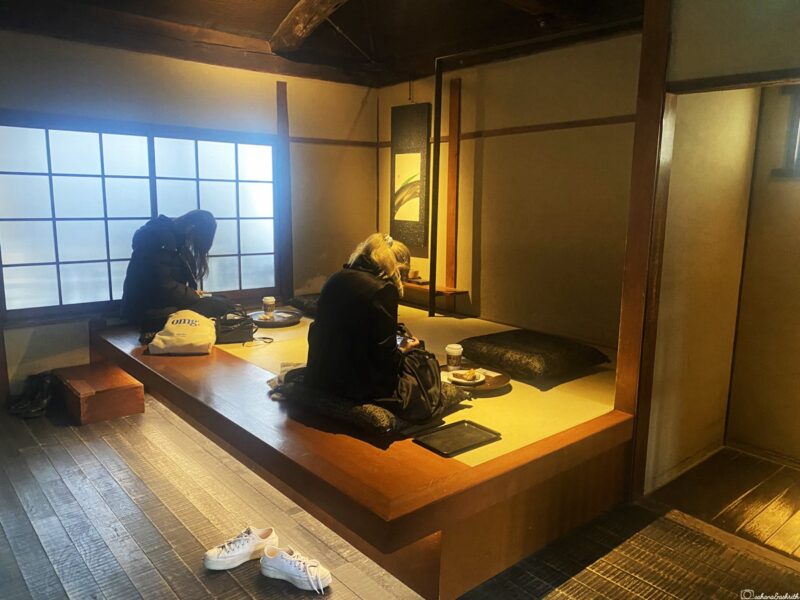
One surprising fact about Japan is that they are particular about how people sit, and they expect the same from visitors.
You might even spot signs in trains saying, “Sit properly.” In Japan, sitting on the floor is common, especially during meals on tatami mats or tea ceremonies.
The formal kneeling position, similar to Vajrasana in yoga, can get uncomfortable quickly—we tried it during a tea ceremony and couldn’t last long!
Casually, men often sit cross-legged, while women sit with their legs to one side. In public places, always sit with your knees close together.
12. Follow Bus and Train Etiquettes of Japan

Japanese trains—whether metro, local, or Shinkansen (bullet trains)—are 100% silent and clean. The first rule of Japanese manners on trains is not to talk or speak only in the softest voice.
Even the most crowded Metro subway trains of Tokyo remain quiet.
Even slight noise from earphones or headphones can annoy others, so keep your music volume low to respect the quiet environment.
Sahana and I, used to Indian train travel, found it quite shocking. Whenever we wanted to talk to each other, we were whispering at the lowest pitch.
Eating is allowed on bullet and long-distance trains, where bento lunch boxes are popular, but never eat on local metros or trams as they’re often crowded.
The Japanese even avoid bringing coffee cups on metros!
The bus driver says “arigato gozaimasu” (which means thank you with respect) to every passenger who gets off the bus. So, it is good to reply with the same phrase out of respect.
13. Don’t forget Tatami Room Etiquettes

A tatami mat is a traditional Japanese floor mat made of woven straw and soft rush grass, commonly used in homes and tea rooms for sitting and sleeping.
They are rectangular and have a slightly cushioned texture, making them comfortable to sit or lie on. Using Tatami Mats with care is crucial even for guests
Don’t step onto tatami mats with slippers; leave them outside the room.
Separate slippers are for washrooms only—don’t forget to change back!
Avoid wheeling luggage on tatami to prevent damage.
14. Respect Japanese Privacy Preferences
In Japan, you’ll often find lots of single seats in trains or restaurants, and solo dining is quite common. It’s not about being unfriendly; the Japanese value personal space and prefer not to sit too close to others, whether they’re locals or tourists.
Even in places like public parks or trains, if a bench fits three, you might see only two people sitting with a gap between them. It’s just their way of respecting privacy
15. Don’t Overlook Japanese Eating Manners
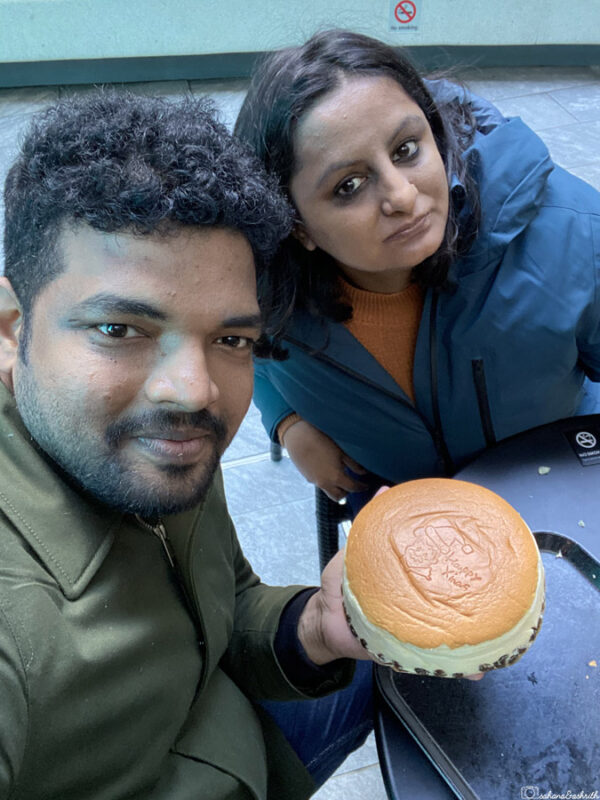
Never walk while eating in Japan! Even if you grab a quick breakfast from a 7-Eleven, like a sandwich or milk cream bun, stand outside the store and finish eating before moving on.
Even when Japanese buy small sweet treats like Higashi, they stand, eat and then continue walking.
However, it is generally acceptable to drink coffee while walking. This small act of respect goes a long way in Japan!
Slurp your noodles at restaurants shamelessly – It is a way of telling the world that you love your noodles.
16. Do Use Chopsticks Correctly

Using chopsticks while eating in Japan isn’t just a choice; it’s a must. You’ll only find spoons and forks in high-end restaurants that serve Western food.
All local places expect you to use chopsticks, though some street foods are finger foods.
Hold Chopsticks towards the back end, not the middle or front.
Never stick them into food, pass food directly between chopsticks, or use them to spear food or point.
Always rest them properly when not in use and use the opposite end for shared plates.
17. Don’t Ignore Restaurant Etiquettes of Japan
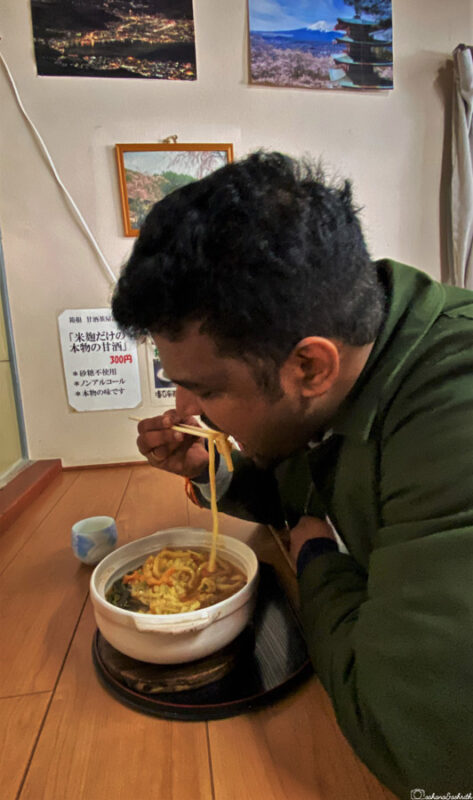
Many restaurants have food replicas on display—super handy if you can’t read Japanese! You’ll hear “irasshaimase” when you walk in. They’ll seat you; just remove your shoes for traditional seating. Most places are non-smoking now.
Ordering and Eating:
Free water, tea, and a wet towel for your hands are common. Can’t read the menu? Ask for “osusume” or “omakase.” Call staff with “sumimasen” or use the call button. Some places have cool tablet ordering.
Keep your bags in the given basket or a counter at the restaurant. Don’t fling it on the chair’s backrest or the table.
Paying:
Pay at the cashier, not at the table. No tipping; just say “gochisosama deshita” when leaving.
18. Follow Walking and Street Manners
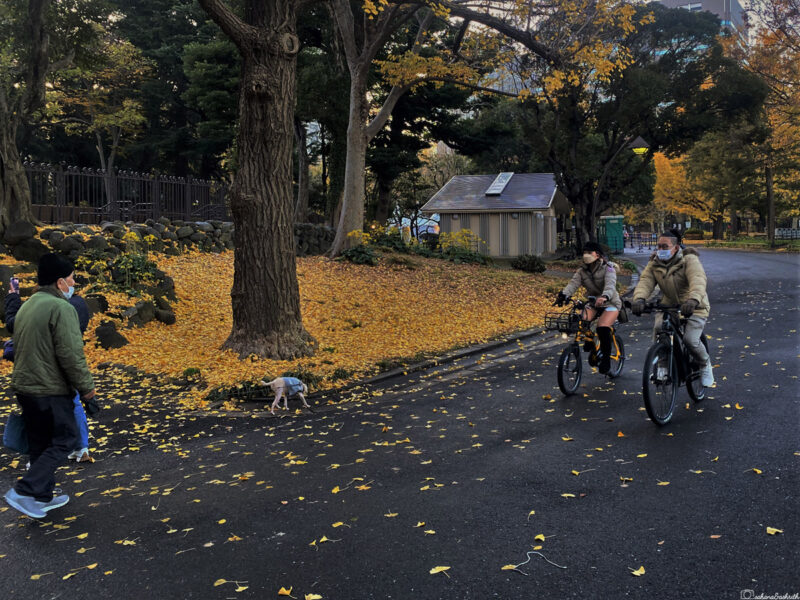
Littering is rare, so keep the streets clean by carrying your trash with you—I always had a small plastic bag for this.
Don’t walk around eating or smoking in Japan.
Public displays of affection, like kissing, are frowned upon; at most, you’ll see couples holding hands. Keep it respectful and follow local customs!
19. Don’t Break Traditions at Japanese Temples
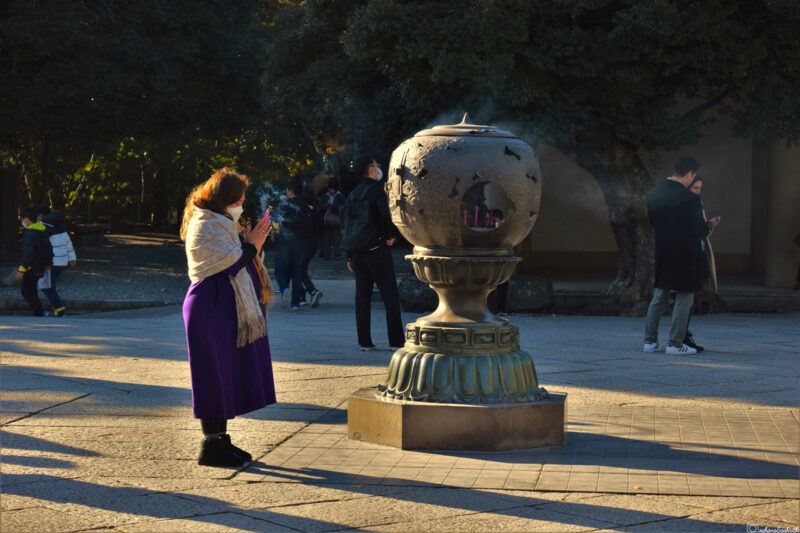
When visiting Buddhist temples or Shinto shrines in Japan, dress modestly and behave calmly and respectfully.
At temples, offer a short prayer by throwing a coin into the box and, if available, burn incense correctly.
Remove shoes when entering temple buildings. At shrines, avoid the middle path, purify your hands and mouth at the fountain, and follow the proper bowing, clapping, and praying rituals at the offering hall.
Photography is often allowed outside but check for signs inside. Respect local customs and ask if unsure.
20. Remember Giving and Receiving Manners in Japan.
Shopping in Japan is fun, but you need to follow some basic etiquette.
Using both hands when giving or receiving anything is considered polite.
When paying, don’t hand the money directly to the shopkeeper. Instead, place it on the tray provided at the cash counter and collect your change from the same tray.
What to read next?
Following these simple manners can make your Japan trip super smoother.
As you are now well prepared with cultural and social norms, it is time to think of how to save money as a traveller in Japan.
Did you find this list of do’s and don’ts in Japan helpful for more responsible travel? Let us know in the comments below!