
Disclaimer: Some links in this post are affiliate links. If you book through them, we earn a small commission at no extra cost to you. See our Privacy Policy for details.
10 Amazing Types of Hotels in Japan for Travellers
People travel to Japan for many reasons. Some want to see or climb Mount Fuji, while anime fans seek out filming locations.
Tech lovers and gamers, like my husband, explore gadget shops, gaming arcades, and enjoy Japanese seafood.
But have you ever thought about visiting Japan to experience the different types of hotels in Japan?
It might sound surprising, but the range of cool hotels in Japan is incredible .
From capsule hotels to budget business hotels in Tokyo and traditional Japanese hotels, or ryokans in historic city Kyoto to quirky love hotels in Osaka. You can even stay in a temple!
After spending three weeks three days of travelling Japan without breaking the bank, I’ve figured out which places are worth staying at, who might love them, and the best spots to find them.
So, if you’re up for a unique adventure, let’s dive into the different types of hotels in Japan that you should try on your trip!

Traditional Japanese Lodgings
Ryokan
Ever thought of living like a Japanese noble? Staying in a traditional Japanese hotel, a ryokan, could be your chance. These unique accommodations in Japan gives you a glimpse into Japan’s rich heritage with serene elegance.
Picture yourself in a soft yukata robe, walking on tatami mats, and sliding open paper doors to a beautiful garden. The interiors focus on simplicity with low tables and futons rolled up during the day.
The highlight? The kaiseki meal, a series of exquisite dishes. As a flashpacker, staying at a ryokan was out of our Japan trip budget, but we visited some noble houses-turned-museums.
A friend at Zirael Vegan Restaurant in Kyoto helped us visit a ryokan in Higashiyama ward.
In some ryokans, especially those with an onsen in the North, you can enjoy a bath with natural hot spring waters, adding a layer of relaxation.
Make sure to follow etiquettes while staying in Ryokan including not wearing shoes inside, not dragging your trolley on Tatami mat, etc.

Quick Facts about Ryokans
- How to Book: Available on booking.com.
- Average Price per Night: 20,000 to 45000 yen/room for two, including breakfast.
- Suitable For: Culture enthusiasts, hot spring lovers, anyone who likes wearing robes all day.
- Best City to find Ryokans: Kyoto, Nagano, and Hakone.
- Top Ryokans in Japan: Yudanaka Tawaraya Ryokan near Nagano and Gion Yoshiima in Kyoto

Minshuku
Looking for an authentic, local experience in Japan? A minshuku—a Japanese version of a bed and breakfast, one of the historical types of hotels in Japan could be just what you need.
These Airbnb alternatives in Japan are small, family-run guesthouses that offer a simple, warm stay.
The rooms are basic but cosy, featuring futons on tatami mats, low wooden tables, and views that immerse you in the countryside or village life.
You’ll find these unique accommodations in Japan in rural areas, mountainous regions, near onsens, or heritage towns like Shirakawa-go.

I visited the Wada House in Shirakawa which is a museum and could understand how it works.
The minshuku in Shirakawa-go have a rustic charm with wooden interiors and fireplaces set into the floor. You might have to share a bathroom or deal with thin walls, but that’s part of the charm—like staying at a local’s home.
Quick Facts about Minshuku
- How to Book: Available on local booking sites
- Average Price per Night: Around 5,000 to 15,000 yen/room for two.
- Suitable For: Travellers seeking an authentic, local experience.
- Best City to find Minshuku : Shirakawa-go, Takayama, and the Japanese Alps.
- Top Minshuku in Japan: Shimizu Inn (Shirakawa-go)
Shukubo (Temple Lodgings)
For a truly unique accommodation in Japan, why not try a night at a shukubo—a traditional temple lodging.
These stays got simple rooms with tatami floors, futons, and minimal decor, where the calm is only broken by the soft sounds of bells and chanting monks.
You as a guest can join morning prayers or meditation, creating both a spiritual and cultural experience.
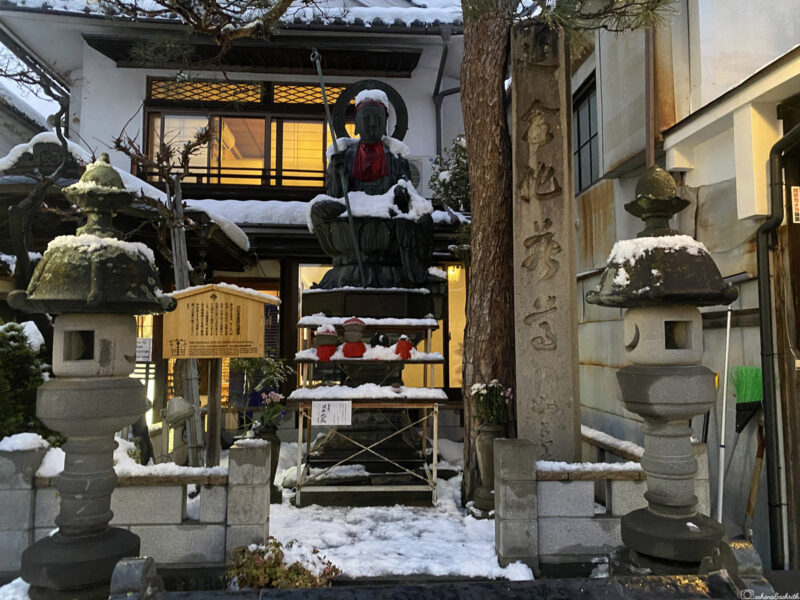
Meals are vegetarian, following the principles of shojin ryori, featuring fresh, seasonal ingredients.
I haven’t stayed overnight, but I’ve enjoyed the delicious vegetarian meals served at a temple in Arashiyama- Loved it
You’ll find these lodgings along the road leading to town’s main temple, often marked by a Buddha statue at the entrance.
Although Japanese temples don’t have strict dress code, it is best to dress conservatively while staying in Shukubo with.
Quick Facts about Japan Temple Lodgings
- How to Book: Directly call the lodge (speaking in Japanese is a nust) or official Shukubo site.
- Average Price per Night: 15,000 to 20,000 yen/room for two with meals included.
- Suitable For: Spiritual seekers, culture enthusiasts, vegetarians.
- Best City to find to Shukubo : Mount Koya, Nagano, and Kyoto.
- Top Shukubo in Japan: Zenkouji Fuchinobo (Nagano) and about a dozen of them in Koyasan near Wakayama
Machiya Stay
Ever wanted your own little slice of historic Japan? A machiya stay could be just the thing.
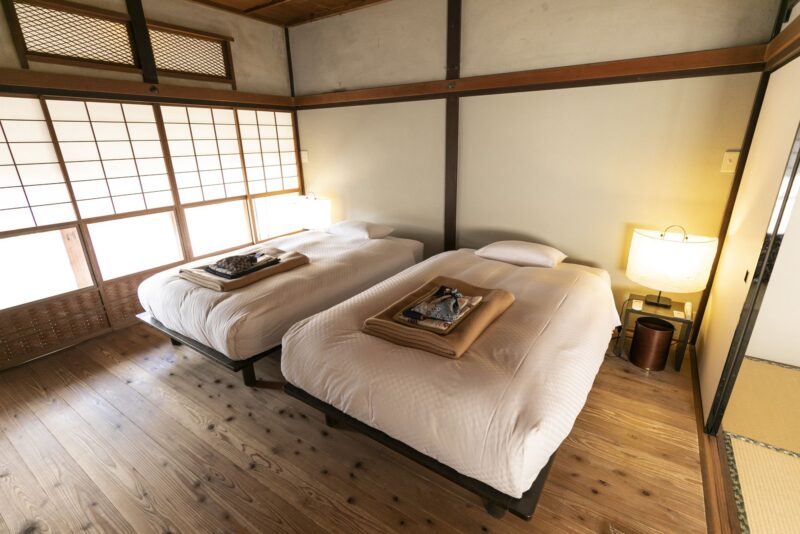
These restored townhouses blend traditional charm with modern comfort—think old wooden beams and paper lanterns alongside a sleek kitchen.
While some machiya have beds instead of futons, they keep that minimalist feel with wooden and tatami decor, plus a view of a Japanese garden from the window.
No meals are served, but a fully equipped kitchen lets you cook up something tasty. It’s like having your private corner of historical Kyoto for a few days.
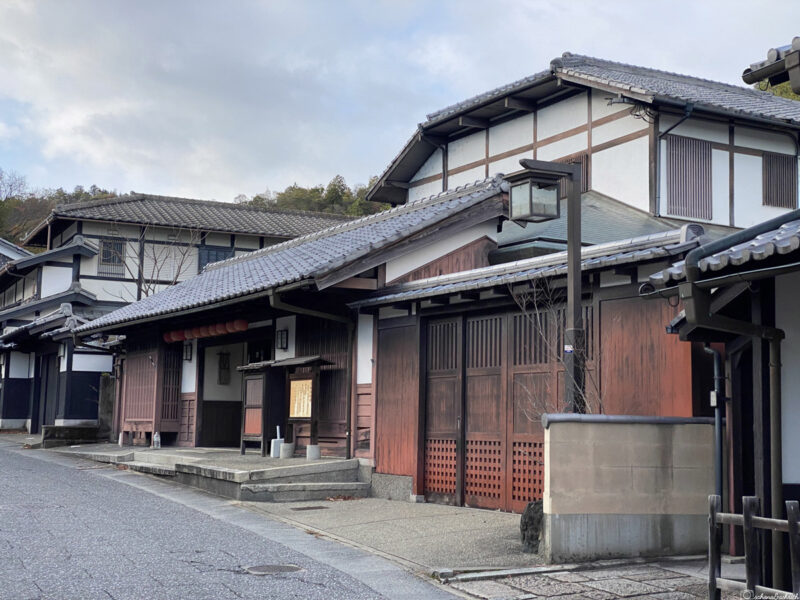
In Arashiyama, Saga Toriimoto Preserved Street is lined with Machiya houses; some still have residents, others welcome guests, and a few are even museums.
I had a chance to visit one of these beautiful spaces.
Quick Facts about Japan Machiya Stay
- How to Book: Booking.com and local websites for Machiyas.
- Average Price per Night: 20,000 to 40,000 yen for the whole house.
- Suitable For: History buffs, families, or anyone who wants a bit of privacy.
- Best Cities to find Machiya: Kyoto, Kanazawa, and Takayama.
- Top Machiya Stays in Japan: Check here for Kyoto Machiyas
Modern and Quirky Hotel Concepts
Capsule Hotels
Capsule hotels, first created in Japan, offer clever spaces where you sleep in pods just big enough for a bed, a tiny TV, and essentials.

Ashrith and I couldn’t resist trying one at 9 Hours Akasaka Sleep Lab in Tokyo—it was a fun, unique stay sleeping in the pod
Read our full review on how is it like to sleep in a 9hr Akasaka sleep Lab pod and things to know before picking a capsule hotel in Japan
Quick Facts about Japan Capsule Hotels
- How to Book: Available on booking.com and Hoste World
- Average Price per Night: 3000 to 6,000 yen.
- Suitable For: Solo travellers, budget-conscious tourists, and the curious.
- Best Cities to find Capsule Hotels: Tokyo, Osaka, and Kyoto.
- Top Capsule Hotels: 9 Hours Akasaka Sleep Lab in Tokyo, Capsule & Spa Grand Sauna Shinsaibashi in Osaka.

Love Hotels
Love hotels, which emerged in the 1960s, are some of the quirkiest places to stay in Japan, perfect for couples seeking privacy in crowded cities.
These hotels rent rooms by the hour and come with all sorts of themed experiences—from “fantasy” to “sci-fi,” complete with rotating beds, ceiling mirrors, and even karaoke machines!
The atmosphere is super discreet, with private entrances and screen-based check-ins. Most have vending machines for snacks and supplies.
We first heard about them on from an anime enthusiast in Osaka Den Den town.
And were too shy/hesitant to try, but many travellers say it’s a budget-friendly option, with overnight stays costing less than standard hotels.
For obvious reasons, families with kids aren’t allowed in love hotels.
Quick Facts about Love Hotels in Japan
- How to Book: Easily found on booking.com.
Suitable For: Couples, curious travellers - Best City to find Love Hotels: Osaka.
- Average Price: 3,000 yen/hour for two people, 6,000 to 9,000 yen/night.
- Top Love Hotels: Hotel LaLa (Adult Only) and Rose Lips Shinsaibashi Osaka
Robot Hotels
Robot hotels are some of the most unusual places to stay in Japan—like walking straight into a sci-fi movie!
Think robot receptionists, luggage carriers, and even robotic room service.
You can control everything in your room, from lighting to temperature, with a tablet or smartphone app.
The decor is sleek and modern, with lots of whites, silvers, and blues.
I have to admit, I couldn’t bring myself to stay in one—I was oddly nervous about living with robots! But many people love the techy vibe and find it a truly unique accommodation in Japan.
Quick Facts about Robot Hotels in Japan
- How to Book: Easily available on booking.com
- Average Price per Night: 15,000 to 30,000 yen for two people.
- Suitable For: Tech enthusiasts, families with kids, and curious travellers.
- Best Cities to find Robot Hotels : Nagasaki and Tokyo.
- Top Robot Hotels: Henn na Hotel Tokyo Ginza – They have branch in Osaka too.
Budget Accommodations in Japan
Business Hotels
If you’re after a budget-friendly stay in Japan, business hotels are a top pick.
They might look dull from the outside—tall buildings with 10-12 floors—but they’re more interesting than they seem!
Besides capsule hotels and guesthouses, we spent most of our nights in Japanese business hotels during our 3+ week Japan Trip.
The rooms are tiny but cleverly designed, often under 40 sq. ft., yet somehow fitting a fancy toilet with heated seats, music, and a bidet, plus a small bathtub.
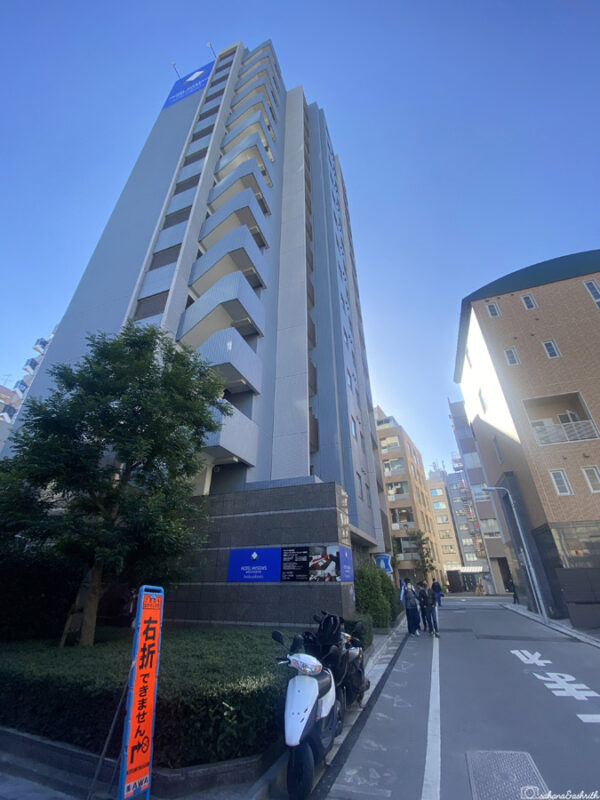
As an architect, I was impressed by the efficient use of space! They provide modern yukata and a full toiletry kit, so you can pack light.
Lobbies are small, usually just for check-in, often leading straight to a lift or even a 7/11. Breakfast isn’t included, but who needs it when you’ve got 7/11 coffee and snacks?
One floor often has a smoking area and laundry, where travellers in matching nightwear gather—great for meeting fellow budget explorers!
Quick Facts about Business Hotels in Japan:
- How to Book: Easily available on booking.com.
- Average Price per Night: 10,000 to 15,000 yen for two people.
- Suitable For: All types of budget travellers—families, couples, and groups.
- Best Cities to find Business Hotels: Tokyo, Osaka, Hiroshima, Nagoya, and other big cities.
- Top Business Hotels: Mystays Asakusabashi, The One Five Shijo Chisun Grand

Hostels
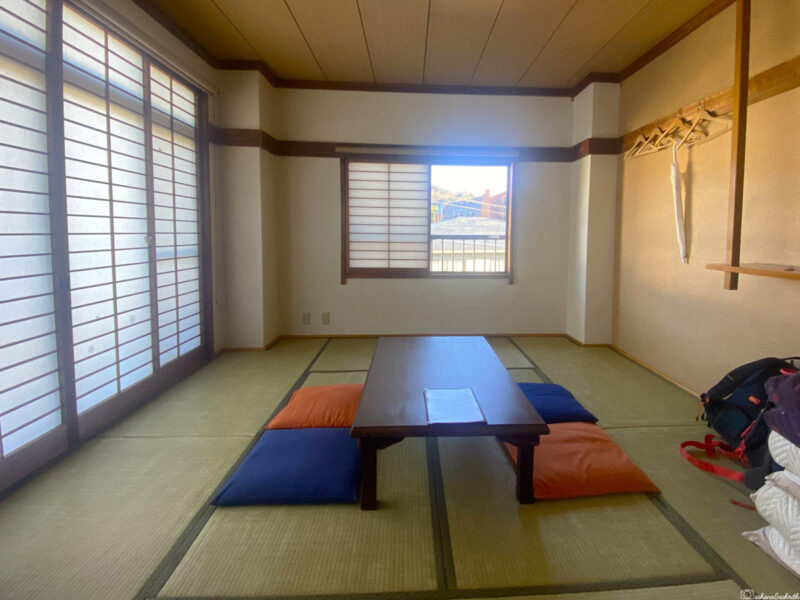
Hostel culture in Japan is unique—less about socialising and more about calm and respect.
Noise rules, curfews, and shared space etiquette are taken seriously. Back in 2008, many Japanese hostels didn’t accommodate foreign guests, but things have improved.
Our host at Kawaguchi, near Mount Fuji, said they’re now using English signs and images to help visitors with local customs.
While local etiquette, like disinfecting toilet seats or handling money politely, can feel tricky, it’s about respecting space and calm.
Hostels in Japan are quieter than those in other countries, like Tehran, where things were more laid-back. Instead of group cooking, we’d chat about the best 7/11 snacks!
Traditional touches like tatami floors and onsen baths are still there, but the social scene focuses more on cultural activities or group outings.
Quick Facts about Hostels in Japan:
- How to Book: Available on booking.com and Hostel World.
- Average Price per Night: 3,000 to 6,000 yen per person.
- Suitable For: Backpackers, solo travellers, and flashpacking couples.
- Best Cities to find Hostel Japan: Main tourist spots except rural areas.
- Top Hostels: K’s Mount Fuji (Kawaguchi), Mad Cat Hostel Osaka & Bar (Osaka), Citan Hostel (Tokyo).
Homestays
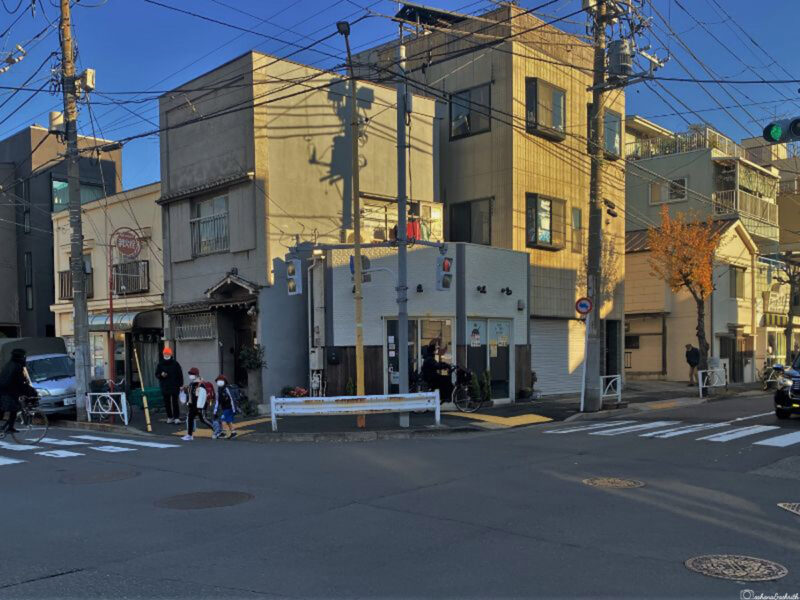
If ryokan or machiya guesthouses are out of your budget, a homestay in Japan with a local family is a great choice.
While Airbnb is an option, Japan has strict regulations, making homestays a more immersive experience.
Booking a homestay isn’t as simple as a hotel—it’s a bit like matchmaking!
You register on a “Homestay in Japan Website,” share your reason for visiting, hobbies, and background, and wait for a host family to approve your stay.
If they think you’re a good fit, they’ll send you their terms—be ready to follow some unique Japanese customs!
Stays over 21 days are considered long-term; under 21 days is short-term. It’s a fantastic way to dive into Japanese culture and form real connections!
Quick Facts about Homestays in Japan:
- How to Book: Only available on “Homestay in Japan.”
- Average Price per Night: 4,000 to 7,000 yen.
- Suitable For: Those wanting to live with locals and understand Japanese culture.
- Best Locations to find Homestays: Tokyo, Kyoto, and Osaka.
- Top Homestays: Check “Homestay in Japan” for reviews.
FAQ
What are the alternatives to hotels in Japan?
Try ryokan (traditional inns), minshuku (family-run guesthouses), capsule hotels, homestays with locals, or machiya (traditional townhouses) as alternatives to hotels in Japan.
What are hotels called in Japan?
Hotels are just “hotels,” but specific types have their names: ryokan for inns, minshuku for guesthouses, and shukubo for temple stays.
What is the difference between a ryokan and a western hotel?
A ryokan gives you a traditional Japanese experience with tatami mats, futons, and communal baths, plus a multi-course meal. A Western hotel has standard amenities like beds and en-suite bathrooms.
What do Japanese hotels offer?
Most hotels have free Wi-Fi, air conditioning, toiletries, and sometimes breakfast. Budget hotels might have smaller rooms, while high-end places have hot spring baths and traditional meals.
How to find Cheap Accommodations in Japan
Use Booking.com, Hostel World, or Homestay in Japan. Look for budget hotels, hostels, or capsule hotels in less popular areas and book early for good deals.
What is the best time of year to find cheap accommodations in Japan?
Winter November to January and the rainy season (June) are cheapest. Avoid cherry blossom season (March-April) and summer holidays (July-August) for lower rates.
How do I handle cultural differences in traditional accommodations?
Not necessary, but handy! Many places have English signs or staff. A few basic phrases or a translation app can help.
Is it necessary to speak Japanese when staying at budget accommodations?
A ryokan is a more luxurious inn with meals and traditional amenities. A minshuku is simpler, more like a basic bed and breakfast.
Are love hotels only for couples?
No, anyone can stay at a love hotel—solo travellers or friends. They’re unique and a bit of fun- But they are designed for couples.
What should I expect when staying in a Japanese business hotel?
Expect small but practical rooms, modern amenities, free Wi-Fi, and easy access to transport. Perfect for budget-conscious travellers.
Is it necessary to book accommodations far in advance in Japan?
Yes, especially during peak seasons like cherry blossom time or Golden Week. Booking early helps you get better rates and choices.


