
Disclaimer: Some links in this post are affiliate links. If you book through them, we earn a small commission at no extra cost to you. See our Privacy Policy for details.
Local Expert Guide to Planning Your First Trip to India
Planning your first trip to India can be either exciting or exhausting. Because India is huge. From Thar deserts to the Himalayas, wildlife to beaches, festivals – India is vibrant, chaotic and confusing for international travellers.
Don’t worry, we got you covered in this India for Beginners post. We’ll help you plan your trip to India on a reasonable budget. And show you how you can visit some of the most beautiful places plus a few hidden gems of in India.
We usually refrain from claiming our guides are the best, but our travel guide to India truly stands out. With deep roots in India since 1989, I have explored over 16 states, traversing the country extensively by train, road, and bus.
Plus, my spouse Ashrith has completed four three-week-long bike trips across India. So, our tips come from seasoned local experts who know India inside out. Let’s show you “Everything you need to know while traveling to India,” covering minute details.

1. Ideal Time and Duration for Visiting India
How long to spend in India?
You must spend at least 3 weeks in India – India is huge and enormously diverse. Trying to see every Indian state in one go is nearly impossible unless you’re here for like 6 months!
Anything more than 3 weeks might be a bit daunting for those who are visiting India for the first time. Experienced travellers explore India for months together.
So on your first trip to India take a break after 3 weeks and head to nearby countries like Sri Lanka or Thailand which are much cleaner and easier to travel. And then swing back for another round of India’s awesomeness!
Best time to visit India
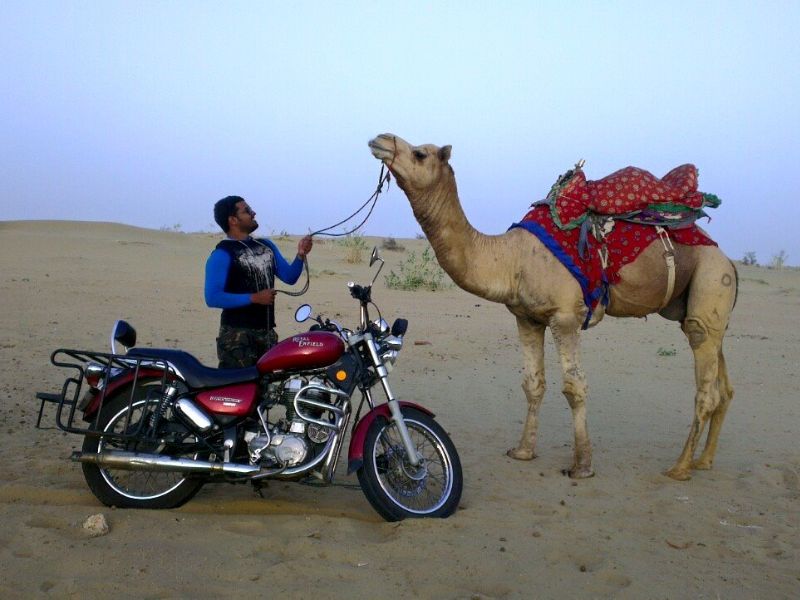
Typically, the best time to visit each zone is from October to mid-March weatherwise. But mind that, India got six climatic zones each with its ideal visiting period.
Checking the best times to visit each state is smarter than making general guesses.
Like, Ladakh’s prime from May to September for great weather, but those same months might not be Rajasthan’s jam!
2. Places to visit in India
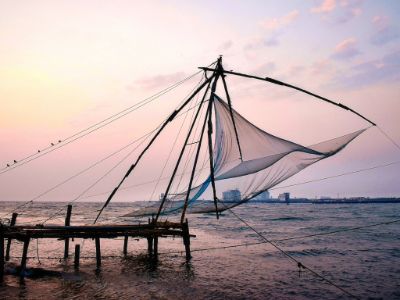
Places to visit in South India
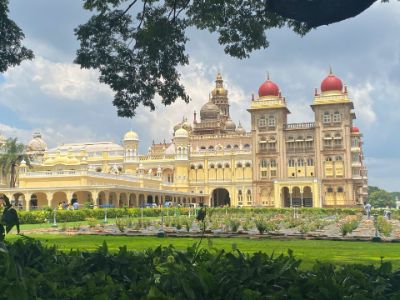
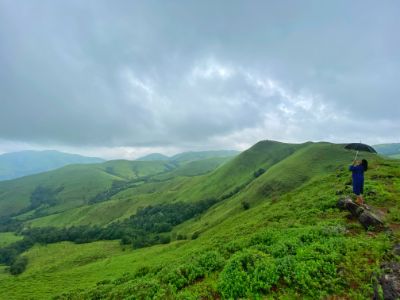
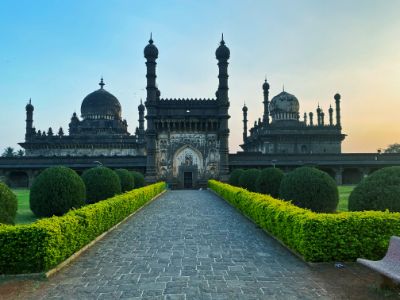
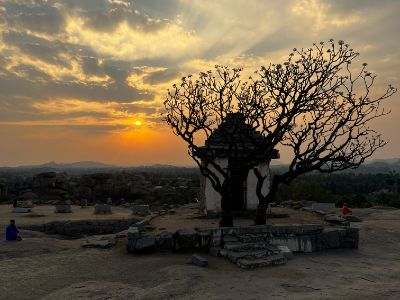
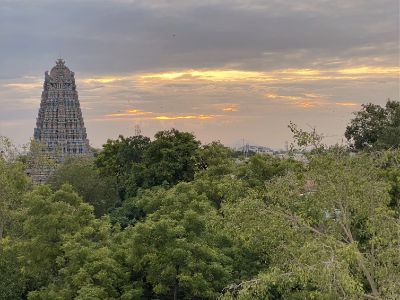
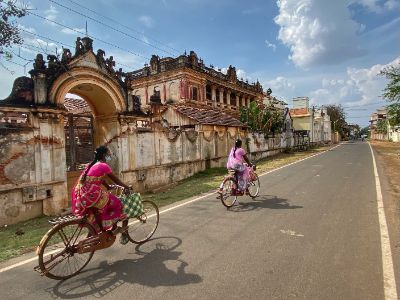

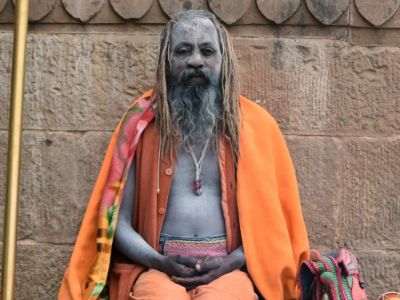
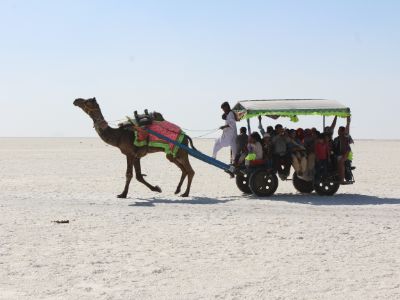
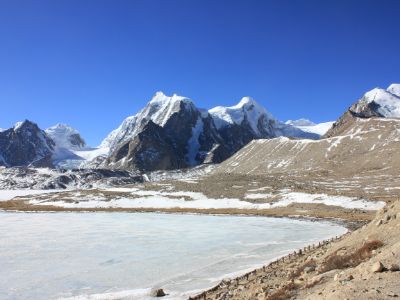
Places to see in North, West and North East India
India Travel Itinerary for first time visitors
With so much to explore and take in, you may get confused “What should I see in India”. One thing for sure- India is beyond Taj mahal and slums. There is too much to see experience here. It is common among international travellers to wonder where to go in India on their first trip.
You can tailor your India trip based on what piques your interest?whether it’s food, fabrics, mountains, spirituality, beaches, and plenty more.
To help you plan your India trip itinerary we have crafted a detailed post “3 Week India Itinerary: Top 10 Options by Local Experts. ” It got step-by-step tips to help you create the perfect India travel plan that suits your style, budget, and the time you’ve got on hand.
3. How to prepare for the first trip to India?
When preparing to travel to India start by applying for a visa, purchasing valid travel insurance, and booking your flight. These initial steps will help ensure a smooth journey.
How do I get a Tourist visa for India?
You can get your tourist Visa for India either online ( E-Visa) or sticker visa by applying at Indian consulate in your country. Over 160 countries are eligible for a tourist visa to India through the E-Visa application process. You can verify your eligibility by referring to the official MFA document on India’s website (page 39).
India’s tech scene rocks, but here’s the scoop: lots of Indian government websites move at a snail’s pace. Folks from other countries whine about the super slow visa process on the official government website is.
For a smoother ride, we recommend using iVisa for your India Tourist Visa. We’ve used iVisa for visas in other countries, and it was a piece of cake.
Is travel insurance necessary for India?
Travel insurance isn’t mandated by the government for international travellers. But having one is always wise, especially if it covers health.
International air connectivity to india
India has about 17 international airports with direct connections to around 50 countries. With roughly 80 international airlines in the mix, traveling to India from abroad isn’t a big deal. But make sure you know where you’re touching down first.
If you’re aiming for North and West India, landing at at Delhi airport (DEL) is your go-to, boasting the highest international connectivity as nation’s capital city.
Now, if central or Western India deserts are on your radar, Mumbai (BOM) airport is your best bet. For exploring the East, Kolkata airport is your buddy.
If you’re set on exploring the southernmost parts of India, the Deccan plateau beckons. Choose airports in Goa(GOI) Bangalore (BLR), Chennai (MAA), Hyderabad (HYD) or Kochi (COK) airport for your first landing in Southern India.
Before sealing the deal on your booking, it’s wise to check out Skyscanner for flight options that fetches you better deal and less layover.

Do you have to take domestic flights in India?
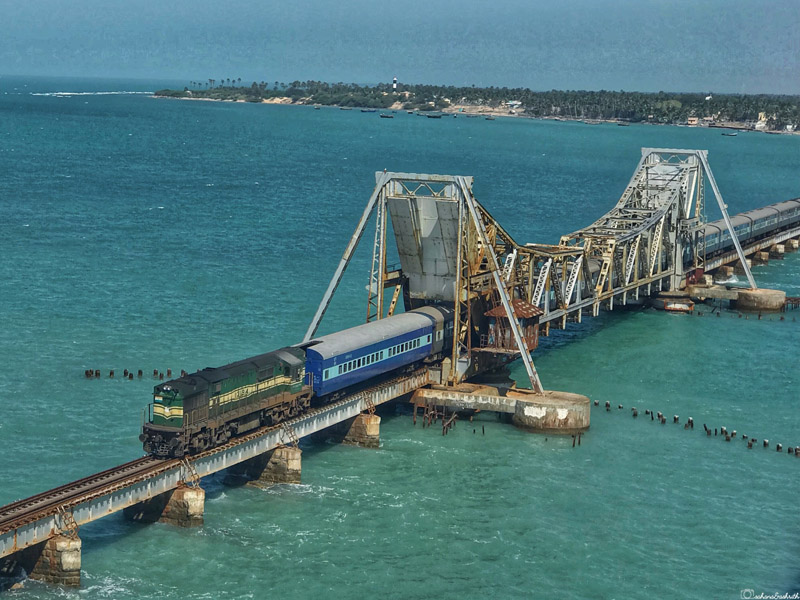
It all depends on your India travel itinerary. Exploring state-wise or region-wise may not require domestic flights and you can always take trains or bus. – Trains are the cheapest and safest way to travel around India.
However, if your journey spans multiple states – like a week in Tamil Nadu, followed by 10 days in Sikkim, and then off to Gujarat – domestic flights become necessary.
Based on my personal experience, I highly recommend IndiGo, Vistara, and Akasa airlines for domestic air travel in India as they are efficient and punctual.
However, I suggest avoiding SpiceJet as it has lost my luggage twice, and similar incidents have affected millions of Indian domestic travellers.
Currency
The currency in India is the Indian Rupee (INR), symbolized as ⟨?⟩. While it’s officially called Indian Rupees, we usually just say “Rupees.” The coins are known as “Paisa. These smaller coins are handy for religious sites, taking auto rickshaw rides, and shopping at small-town fairs.
What currencies can be changed for INR in India?
In India, currencies like US Dollars, Euros , British Pounds, Japanese Yen, Australian Dollars, Canadian Dollars , Swiss Francs & Thailand Bahts (THB) for Indian Rupees can be exchanged with RBI Authorized dealers across 17 Indian cities.
Currencies like Iranian Rials, Turkish Lira, and Egyptian Pounds can’t be exchanged.

4. Planning India Trip Budget
- Cost of living for tourists in India is more than that of Thailand / Iran.
- Cities like Delhi, Mumbai, and Bangalore have a higher cost of living, making exploration pricier.
- Rural areas, though, are much cheaper to navigate.
- Taxi prices in India, is not as cheap as Sri Lanka, but are reasonable.
- Enjoying a traditional Indian breakfast with coffee at local restaurants can cost around 70 Rs (less than a dollar!).
- Monument entrance fees for foreigners are 8 to 10 times higher than for Indians; consider this when budgeting.
- If it is your first time in India, it is better to spend a bit more on comfort, especially if you aren’t experienced traveller.
- Shopping in India is affordable if you know where to find what as a tourist.
Check out our post ‘Guide And Tips to Shopping in India from an Insider‘ .This surely shows you how and what authentic made in India things without going bankrupt.
How much does it cost to travel in India
| Mid-range budget Traveller Cost | Backpacker’s Budget Cost | |
| Daily Budget/person | Up to ?5,000/person | ?1,500 to ?2,000/person |
| Accommodation style | 3* hotels or similar | Hostels or budget guesthouses that cost ?700-1,000 |
| Mode of Transportation | Public transportation and a bit of private taxi | Local transportation and shared taxis |
| Meals + Bottled water | Three meals at restaurants | Self cooking and local food cart |
| Miscellaneous expenses | Activities or sightseeing with skip the line tickets | Activities or sightseeing, no skip the line tickets |
Keep in mind that this rough budget for your India trip can fluctuate based on the region, your choices, and the duration of your stay.
Finding Accommodation in India
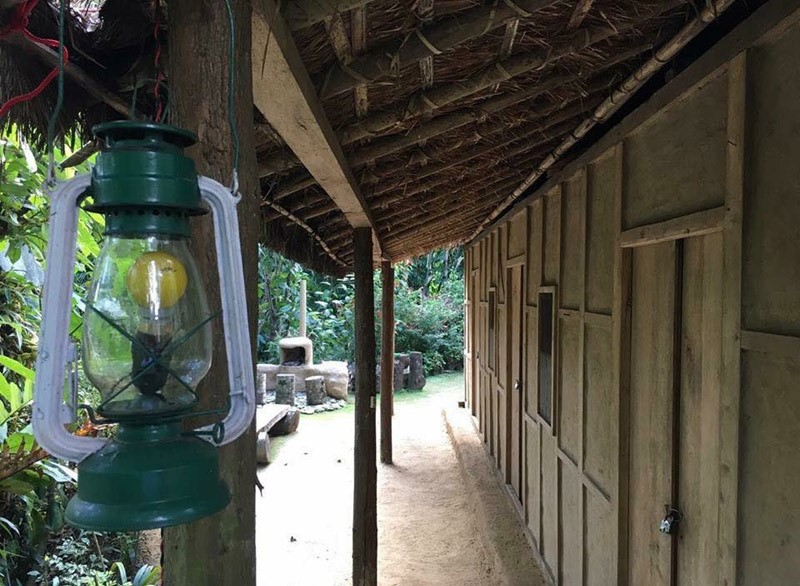
In India, accommodation ranges from fancy palace hotels in Maharaja style to budget homestays. Hostel culture in India isn’t as strong as Thailand’s. But spots like Zostels are popular with Indian tourists. I recommend staying in well-rated homestays, especially if is your first trip to India so that you get to live with locals and also have a comfortable stay.
Many small homestays take bookings through WhatsApp, Facebook, and Instagram. It’s not my top choice, but it could work.
In India, you’ll find more properties listed on Agoda than on booking.com.
5. Essential Information for First Time Visitors to India
Language Spoken in India
There is no “One Official Language” of India. Among 28 states and 8 UTs, there are 22 recognized languages. So, almost every state has its own official language. Like in my home state Karnataka we speak Kannada is official language. While Marathi in Maharashtra and Hindi in Rajasthan are official languages
But no worries?India ranks 2nd in English speakers after the USA. Getting by in any state is easy with English, as signs are in both English and the local language.
And fun fact: Hindi isn’t our national language; it’s mostly used in North and Central India.

How is the nature of Indian people?
Indians are generally cheerful, talkative, and love celebrating. But when it comes to new people, we can be a bit shy, especially in rural areas. It takes a bit of warming up before we open up.
Once we’re comfy, brace yourself for questions like- “Drop by for coffee sometime, Are you married? Seeing anyone? Why no little ones yet? ” Privacy, well, it’s seen a bit differently in our country compared to the rest of the world.
It can really be a culture shock for foreign travellers visiting India for the first time when Indians ask such personal questions.
Our weddings can be lavish, but even without splurging, we make things lively. Arranged marriages are common, and family holds great value for us.
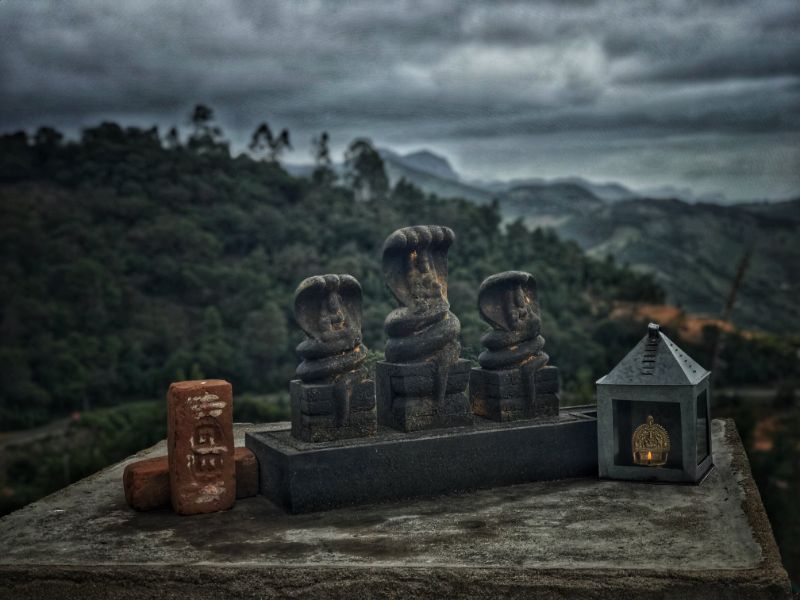
Most Indians are religious. Hinduism is the major one, being among the oldest. Other significant religions include Islam, Christianity, Sikhism, Buddhism, and Jainism. Additionally, India has had Jewish and Zoroastrian communities living here for centuries.
Customs to keep in mind when visiting India for the first time.
- Get used to using water for personal hygiene, like rinsing with sprays or a mug after toilet business.
- We, Indians, aren’t always punctual. So, it’s wise to add an extra 30 minutes to Indian time when meeting up with locals.
- Show respect for local customs: remove footwear in homes, eat with fingers, and avoid beef/pork in Hindu/Muslim households.
- Adapt to walking barefoot indoors at religious sites and households.
- Keep public displays of affection minimal; holding hands is acceptable, but more intimate gestures might lead to discomfort.
- LGBTQ rights have improved since the overturn of Article 377 in 2018, yet homestays might not be open to this community.
- Some accommodations might require proof of marriage for opposite-gender stays. So be prepared for it.
- Talking on behalf of Pakistan may trigger many Indians. Avoid any kind of political discussion unless you know the other person well.

How to dress in India as a tourist?
When in India, aim for modest clothing that covers your body without sacrificing style.
Big cities like Mumbai, Delhi, Bangalore, and Kolkata welcome diverse fashion choices, including some sexier outfits for the pub scene!
Men can opt for shorts and T-shirts, but skip the gym wear and tank tops. Remember, in rural areas or smaller towns, it’s respectful to cover your shoulders, cleavage, and thighs with modest attire.
Check out our travel guide post titled “What to Wear in India as a Tourist?” It has the ultimate tips on packing for your India trip
Safety Concerns in India
While planning their first trip to India, most foreign visitors really worry if the country is safe for travellers. India might seem overwhelming, but it’s generally a safe place for travellers, but isn’t the safest.
While it ranks 140+ on the Global Peace Index, problems do exist. But what western media shows India as is quite exaggerated.
India is not the “rape capital of the world.”
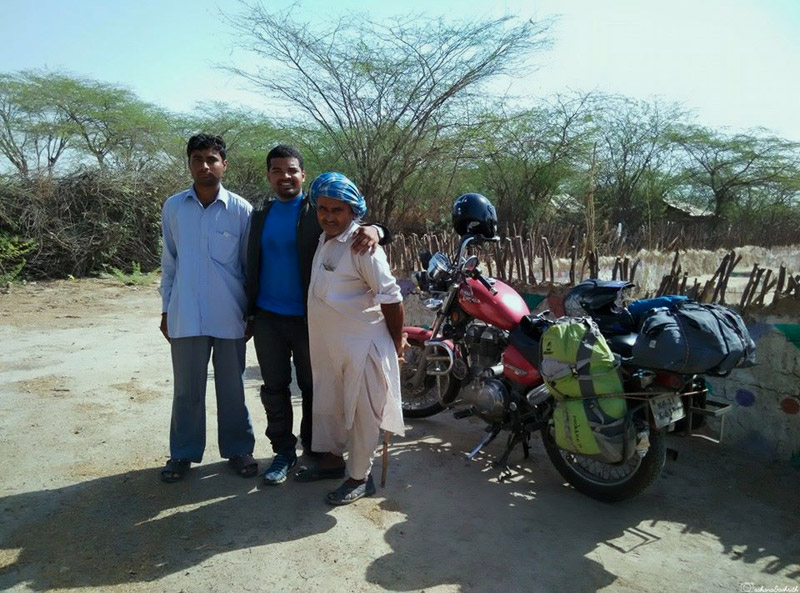
Ashrith has gone biking from Kanyakumari to Kashmir (southern tip of India to Northern tip). He has camped on the isolated beaches of Karnataka and has stayed in tents at the foot of the Himalayas.
Though not all areas are safe for camping, with proper research and help from the locals, India is safe for a night camping in many many places.

Solo Female travel in India
There’s a mix of opinions in blogs and travel guides about India’s safety, with some calling it safe and others expressing concerns. Many female solo travellers had an amazing time on their first trip and plans to come back to India for more. While some faced challenges that made them hesitant to return.
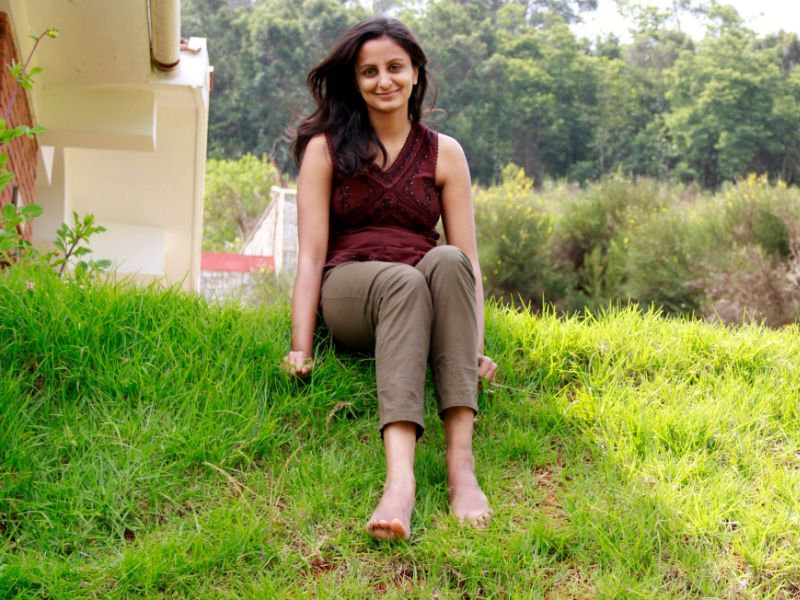
As an Indian woman who has extensively explored the nation, I resonate with both perspectives. I’ve encountered issues like catcalling, whistling, groping, and stalking.
However, I confronted those perpetrators, received help from locals, and continued to enjoy exploring my beautiful country. Nothing has hindered my exploration.
Tourist Scams in India
Beware of the following tourist scams and avoid getting trapped especially if it is your first time in India.
- Overpriced taxis and faulty autorickshaw meters.
- Fake artifacts, silk, and gems.
- Beggars using borrowed babies and street kids expecting more gifts.
- Train Ticket Scam: Selling improper train tickets.
- Random tour guides at tourist spots.
- Overcharging for worship items near temples and mosques.
- Scams involving free gifts- bindis or bracelets.
- Sharing transportation with unknown passengers.
Around tourist spots, scams are pretty common, and scammers often play on emotions like poverty and struggles. On the flip side, folks living away from these areas, like villagers, tend to be friendly and warm-hearted.
6. Practical Travel Tips for First Time Visitors to India
Card Payments
All cards, except American Express, function smoothly within Indian city limits. ATMs are abundant in both cities and smaller towns. Ensure you withdraw enough cash before heading to remote or mountainous areas.
Indians commonly use mobile wallets like Google Pay and PayTM, even in rural regions. However, it’s nearly impossible for foreigners with non-Indian bank accounts to use these digital wallet platforms.
Which is the best SIM in India?
Airtel is the best service provider in India. In fact my entire family uses Airtel. Their network coverage is decent in most cities and tolerable in rural areas even in the remote areas like my hometown in the Western Ghats
However, internet speed tends to be weak in mountainous and suburban regions. Public Wi-Fi is scarce at airports, railway stations, and bus stations. Although hotels and BnBs might offer Wi-Fi, it’s often unreliable. Rely on your mobile data and download offline maps beforehand.
Important note: Non-J&K prepaid SIM cards do not function in Jammu and Kashmir due to security reasons.

Plug Sockets and Adapters
Power plug sockets in India typically fall under types C, D, and M, with circular slot holes and pins. The standard voltage is 230V at a frequency of 50Hz. As such, most foreign travellers will require an adapter for their devices.
Check if your country needs a plug adapter here. Carry the right adapter based on your nationality when you visit India.
Tipping Culture
It isn’t mandatory to tip at restaurants in India. If you enjoyed the meal and service, a small amount is cool and waiters don’t demand for extra.
For a 300 Rs bill, we might leave 30 Rs. Porters at train and bus stations usually expect an extra 10 Rs.
Some porters, auto, and taxi drivers might spin fake sob stories to get more money from foreigners. Stay firm, don’t flash cash, and say, “Sorry, this is all I’ve got.”
8. Travel tips on getting Around India
Roads and Driving
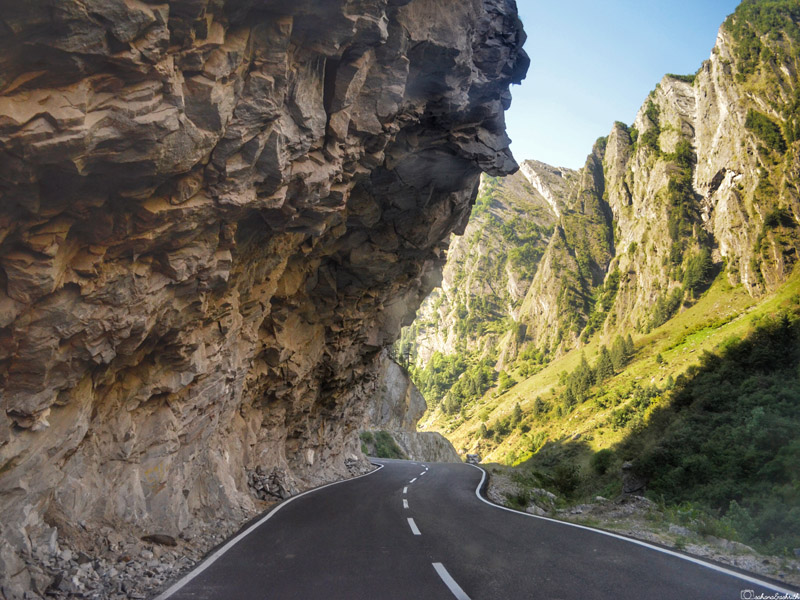
India is one of those 73 countries driving on the left lane like England. The connectivity by road & rail is decent, including in rural areas. But road conditions aren’t great everywhere.
So reaching beautiful mountain areas or a hidden village by the seaside isn’t a big deal when you are ready for a bumpy ride.
City traffic is often chaotic, with incessant honking, while countryside drives offer serenity with fewer vehicles and scenic landscapes.
Traffic signals aren’t strictly followed in every city or town, so on Indian roads, you might experience something akin to the game “Road Rash” in reality.
Car Rentals in India
If you are planning to explore India by driving, you must know a certain things. Local folks usually rent cars in India, but for foreign travellers in India for the first time, it’s not the best idea.
Driving among Indians with their own traffic rules can be pretty stressful for first timers. Plus, finding parking in packed areas is a total nightmare.
If you’d rather not use local transport and don’t mind spending a bit more, hiring a car with a driver through certified travel companies is a smoother option to explore India.

Is it safe to ride a motorcycle in India?
If you’ve navigated through the sea of motorbikes in places like Bangkok or Vietnam, you can handle it in India too – But I don’t recommend it for first timers.
Avoid renting motorbikes in major state capitals like Mumbai, Bangalore, Delhi, Jaipur, and Kolkata.
Instead, they’re ideal for exploring smaller towns such as Jodhpur, Dharmashaala, Varkala, Goa, and Pondicherry.
Is India good for cycling?
Cycling in India isn’t as easy as it is in the Netherlands or Austria. You can plan your cycling trip in India only in a few states.
The North-Eastern Indian states, especially Sikkim and Arunachal Pradesh, promote cycling more than other regions.
If you’re up for cycling uphill and in hilly terrain, North eastern states such as Sikkim and Arunachal Pradesh are your best bet.
You can also consider cycling in Uttarakhand – The windy roads at the foothills of Himalayas
Public Transport Overview
When you plan to get around India using public transport, know that there are about six ways. But elephants aren’t one of them! I’ve been asked if we ride them to work – trust me, it’s not a thing! Elephants are more for tourism and festivals, not our everyday ride.
Check out our popular post in the India Travel Guide: ‘15 Famous Myths about India You Must Debunk!’
India’s public transportation isn’t top-notch, but it’s decent. Whenever possible, don’t hesitate to use it.
Mind you, we’re the largest population in the world, so you’ll have plenty of company on your train or bus ride. Trust me, we Indians are fun travel buddies!
Public Transport Options for Getting Around India
- Trains
- Ferries and Barges
- Buses
- Metro and Water Metro
- Auto Rickshaws AKA Tuk-tuks
- Taxi
Indian Railways
India’s railway system is the heart of public transportation. Ensure you keep trains as the main mode of transportation while planning your trip to India. It is the cheapest and safest way to get around. Trains are great for trips over 400 km.
They’ve seriously improved cleanliness and punctuality in the last five years, but expect some 15 to 30-minute delays.
Read our extensive guide on Train Travel in India before booking tickets, so you know the best class and type for your journey.
Quick tip: Booking on the IRCTC website can be a hassle, not the friendliest. Patience is key.
The famous train routes often taken up by tourists can be booked on 12Go Asia.

Ferries, Cruises, Boats and Barges
India’s flanked by ocean on three sides, hosting stunning spots like Lakshadweep and Andamans amidst the sea.
Cities like Kochi span islands, needing ferries for travel.
While I don’t always recommend cruising, there are notable river cruises like Brahmaputra in Assam, and the Kochi to Lakshadweep Cruise, among others.
Also, barges transport both vehicles and people across rivers. They’re a main way to get around in places like Kochi, Sigandur in Karnataka, and more.

Public buses
You might have heard that Indian buses can be risky. Road accidents involving public buses in India are as common as in other developing nations. Being born here, I mostly use buses and I’m fine.
So, don’t fear taking buses even if you are visiting India for the first time, even at night.
Before booking, check reviews for comfort. Don’t expect Japanese-level quality in Indian buses. But they are definitely good!
Each state has government-owned buses operating within and between states. Additionally, numerous private bus companies offer a multitude of choices.
Non-AC government buses are the cheapest and ideal for journeys under 4 hours. For overnight trips exceeding 5 hours, consider AC seater and sleeper buses.

Most of these bus companies across various routes are listed and can be booked on 12 Go Asia
Guide to using Public buses when you travel in India
- City buses have two doors, women use the front door, and men use the back.
- Front seats are usually reserved for women.
- No restrictions for women sitting in the back or with the opposite gender.
- Get tickets from conductors onboard using cash; having exact change is recommended.
- Seats for elders; commonly left vacant for elderly passengers, but anyone can use them.
- Night journey buses are mostly pre-booked online and have a single door.
- Conductors usually announce stops, but passengers can request help to be notified before their stop.
Metro in India
As of November 2023, India boasts metro systems in 16 cities, including Delhi with the most extensive network. Cities like Bangalore, Mumbai, Jaipur, Kochi, Kolkata, Chennai, and more have efficient metro systems.
Using these metros is convenient, with day passes available for commuters. Signboards in metro stations are displayed in the local language as well as English for easy navigation.
Auto Rickshaws
Trains are India’s lifeline between cities, but auto rickshaws act as the veins connecting different parts within a city. No matter where you are in India, an autorickshaw is just a hand wave away.
They’re akin to Thailand’s Tuk-Tuk but more enclosed. Auto rickshaws have siblings like cycle rickshaws in Varanasi, hand-pulled rickshaws in Kolkata, and Chakda, which is a motorbike-fitted vehicle in Gujarat.

These simple steps will guide to take safe rickshaw rides when you travel in India
- Ola and Uber offers auto booking in many cities.
- For non-app autos, ensure the meter starts at zero. If the driver quotes a price, haggle for half.
- Avoid taking auto-rickshaws to isolated or deserted areas, especially at night.
- Keep Google Maps handy and glance at it occasionally to compare routes with the rickshaw driver
Taxi in India
When tired of walking or missing the bus or metro, taxis are available in many cities. Local car agencies offer options for multi-day or day trips. For taxi bookings in Indian cities, use Uber or Ola.
8. Public Amenities
What are public toilets like in India?
Most of public toilets in india have EWCs with squat toilets only at fewer places.
Indian toilets will have a jet spray or water bucket instead of tissue papers in public toilets. Homestays and guesthouses generally don’t provide toilet paper unless they’re in touristy towns frequented by foreigners.
Free public toilets in transport hub aren’t usually clean. But those who charge 5-10Rs are a bit better than the free ones.
Restaurant and cafe loos are usually free to use.

Public Hygiene in India
India isn’t clean -No sugarcoating here. With the largest population, we battle a lack of civic sense.
Littering and public urination are major issues we’re still tackling. It might take a decade or more to achieve a cleaner India, but it’s better than what the media portrays.
India has slums, but it’s not a nation entirely like what you see in Slumdog Millionaire. Many tourist spots are well-maintained and garbage-free.
The North-Eastern states are the cleanest, while the South fares better than the North and West in terms of cleanliness. Around ten beaches in India are awarded the Blue flag.
Several hiking group often clears the trail – So,India is way better in terms of cleanliness than what you see in the 1983 Bond movie ,Octopussy.
Check out our India travel guide post titled “50 Facts About India Nobody Ever Told You.” It dives deep into the complexity, layers, and beauty of India, offering insights beyond the stereotypes of poverty, slums, and Indians dancing on streets.

Street Food in India
Indulging in street food is a must for first time travellers to India – It is super delicious. But choosing the wrong spot can land you in trouble.
Cases of foreign tourists falling ill due to food infections are common. To safely savor street food, it’s best to join a food tour with a guide during your travels in India.
Be aware of your spice tolerance and take advice from your hosts or street food tour guides when choosing street food. But, definitely give Indian street food a try!
Strictly use only bottled water in India – Tap water isn’t fit for drinking.
9. Indian Food and Alcohol Etiquette
Indian Cuisine Overview
With around 40% of the population being vegetarian, India holds the highest number of vegetarians globally.
Opting for veg food is ideal for foreigners unaccustomed to spicy cuisines. Each state offers diverse regional foods, so try sticking to the specialties of each state.
Do they serve meat in India?
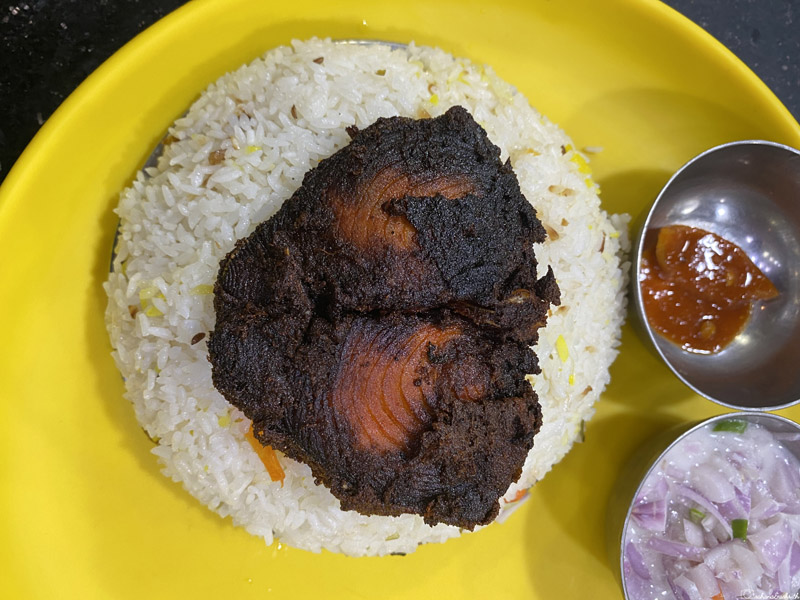
Yes! Indians have a penchant for chicken, from Mughlai Biryani to Coastal Karnataka’s Kori Rotti.
The most consumed meats rank as follows: Chicken, Fish, Other Seafood, Mutton/Lamb, and Pork. In several states, cow slaughter for beef is prohibited due to the veneration of cows in Hinduism.
What is the eating etiquette in India?
Using our fingers to relish food is a cherished tradition in India. It’s believed that eating with fingers enhances the taste and connection with the food.
While spoons are available in most restaurants, witnessing people eating with their fingers is a common sight across the country.
In many places in India, they serve food on banana leaves. If it’s your first time in India, you might wonder if you’re supposed to eat the leaf too at the end of the meal. Well, the answer is: Don’t!
South Indians mostly enjoy Filter Coffee, while the rest of India prefers tea, both made with milk. Specify if you want espresso or black tea without sugar when ordering at local eateries. Coffee and tea accompany breakfast and snacks, And, buttermilk or curds are served after lunch and dinner.

Mathura Lassi is the best thirst quencher!
Read our post “Your complete guide to Indian food” before you travel to India for insights on the best Indian food and essential dining etiquettes.
Drinking Culture in India
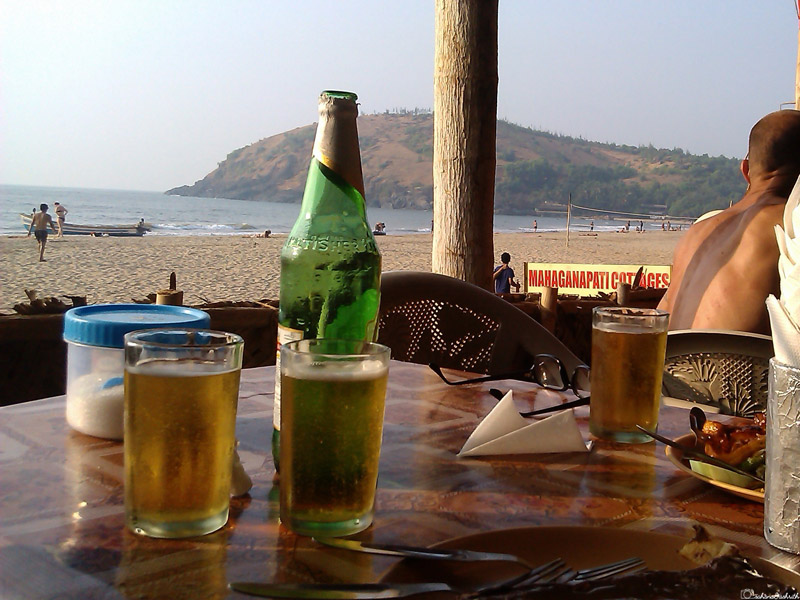
Alcohol bans exist in five our 28 states+8 UT in India, but foreign travellers can get special permission in some of these places to buy alcohol from specific spots.
You’ll spot plenty of affordable liquor stores offering stronger drinks. Old Monk Rum is a beloved and pocket-friendly choice.
Amrut Single Malt Whiskey, made in Bangalore with Himalayan Barley, earned the title of 3rd best whiskey globally in 2019 at Glasgow, though it’s not commonly found in every Indian bar due to higher export than local availability.
Give local alcohols like Neera, Rice beer (Zutho) in Sikkim served in bamboo shoots, and Mahua from Madhya Pradesh flowers a try. Check out their ingredients before diving in!
Smoking rules in India
Smoking is banned on buses, trains, and public transport in India. While you might spot a few people smoking on the streets, it’s quite rare and much less compared to places like Vienna.
Smokers are considerate of those around them, and it’s fine to request them to move if they smoke near you in an open area.
Pubs, restaurants, and cafes typically enforce two seating zones – smoking and non-smoking areas.
10. Booking Tickets for Activities in India
India’s bursting with diverse art and music scenes, each with its own season and state-specific happenings. Checking the availability and schedules on each state’s website (double-checking never hurts!) is a smart move to catch these cultural treats.
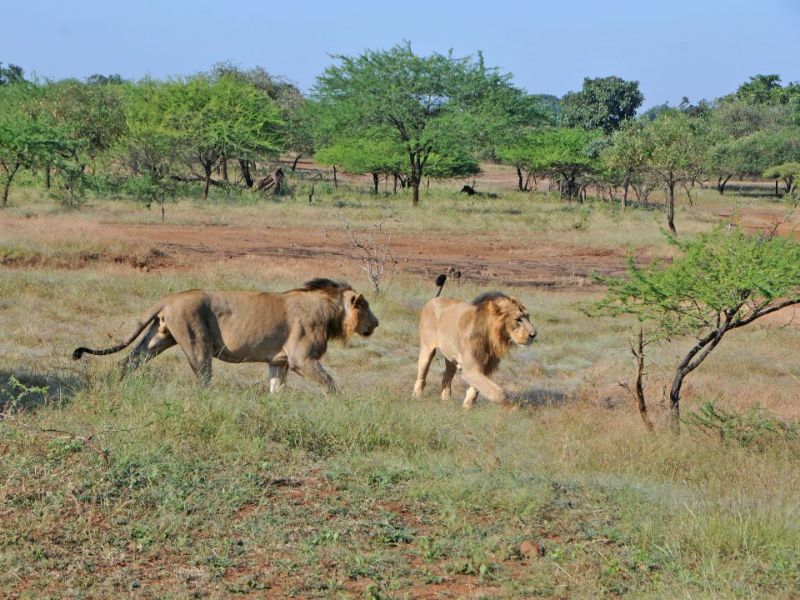
And when it comes to booking safaris at National Parks, like lion safaris in Gir or tiger safaris in places like Bandhavgarh in Madhya Pradesh or Bhadra for elephants and tigers, hitting up their official websites beats relying on third-party sites.
When it comes to permits for sensitive spots like North Sikkim, J&K, or Lakshadweep, stick to the government websites. Or drop us a message, we might hook you up with the right contacts to sort things out!
Some places in border areas don’t allow foreign visitors without certified Indian guides. Opting for small group tours in India-China or India-Pakistan border areas is wise and even mandatory for foreign travellers.
Sites for booking activities in India are
- For Walking and Food Tours – Roobaroo Walks in North/West India and Gully Tours in South India
- Himalayan Trekking – India Hikes
- Skip The Line tickets and day trips – Viator
Found our India Travel Guide for first timers useful? Let us know in the comment section below.


Loving the comprehensive tips as it has all the info needed for a first time traveler to India.
Thanks Christy 🙂
This post is abolutely incredibleee! I´m trying to plan my first trip to India and this has helped a lot! Thank you!
Always a pleasure to help other travellers 🙂
I’ve visited India, but only for work when everything was organized for me. These are very helpful tips when we plan our 1st trip independently.
Thanks Sonia. Hope you will love my country on your 1st trip
I wish I had this guide when I went to India a couple of years ago
Hehe. There is always a next time 🙂
Detailed explanation for anyone, great effort guys
Thank you 🙂