
Disclaimer: Some links in this post are affiliate links. If you book through them, we earn a small commission at no extra cost to you. See our Privacy Policy for details.
How to Plan Sikkim Trip – Everything You Need to Know
It’s easy to lose track of time and get lost in a place like Sikkim, with snow-capped mountains guarding tiny hamlets around lakes, monastery towns, and waterfalls.
Sikkim is the second smallest state in India. Don’t let its size fool you – there’s plenty for travellers to explore.
Due to the special permits required for travel around Sikkim and so many things to see, many wonder how to plan Sikkim trip and where to start.
Having been to Sikkim twice, I’m here to help you plan an unforgettable trip with every detail you need to consider before travelling to Sikkim.
Once you read our SIkkim travel guide, you will be plan your Sikkim trip based on what you like and how many days you got in Sikkim, without the help of travel agents.
Table of Contents
Introduction to Sikkim
Sikkim is the second smallest Indian state, located in the north-eastern corner of India. Many Indians and foreigners think that a part of Sikkim belongs to China, but Sikkim is very much part of India, since May 16, 1975.
It shares a border with Bhutan, Nepal, and China. West Bengal is the only Indian state that borders Sikkim.
As a non-Indian traveller, you can easily plan 2 weeks in Sikkim as part of your 3-week trip to India that includes 1 week in Kolkata.

What makes Sikkim a unique travel destination?
Most travellers picture India as bustling cities, colourful streets, and temples – which i s true. But Sikkim offers a different vibe with Kanchenjunga peeking through the landscape.
You’ll find soothing Buddhist chants in monasteries, refreshing chai, organic veggies, Tibetan-inspired food, and endless hiking trails. Sikkim truly showcases a unique side of India.
And Sahana can’t stop admiring Sikkim’s flora! Wild flowers to home gardens, Sikkim flower scene is colourful.

You might think Sikkim, with its mountains, is only for solitude seekers, not party animals. However, the karaoke clubs in Gangtok serving rice millet beer can keep you dancing all night.
This unique blend of solitude, party vibes, and Buddhist culture attracted me to Sikkim twice, both times on a bike (once for a week and the second time for 10 days). Hearing about my love for Sikkim, Sahana travelled there for 12 days and loved every bit of it.

What are the main attractions in Sikkim?
- Gangtok: Charming capital city with vibrant markets, cultural sites and karaoke clubs.
- Tsomgo Lake: Serene lake surrounded by scenic mountains.
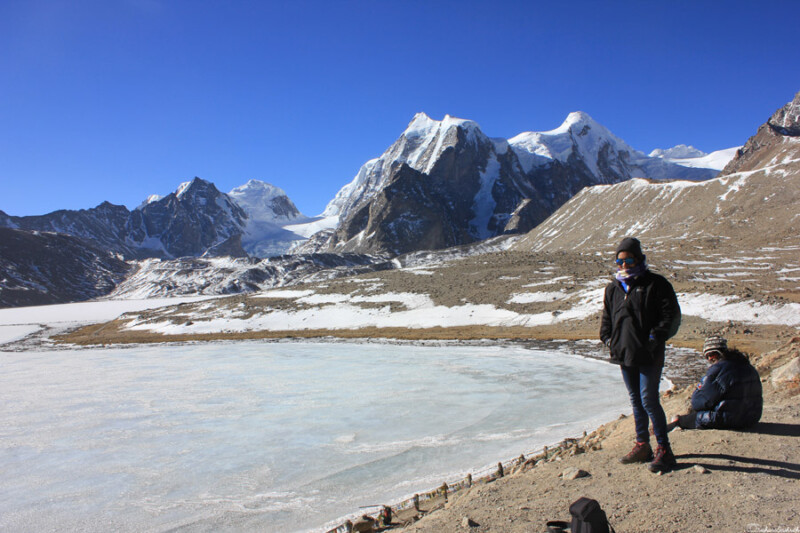
- Gurudongmar Lake: High-altitude, crystal-clear lake with breathtaking landscapes.
- Nathu la : High-altitude pass, stunning views and connects to Tibet
- Zuluk: Winding roads with beautiful landscapes and historical significance.
- Pelling: Peaceful town with Kanchenjunga views and hiking trails.
- Yuksom: Historic town with monastery hiking trails, starting point for Goecha La trek.
- Khecheopalri Lake: Sacred lake surrounded by forest.
- Yumthang Valley: Beautiful valley with hot springs and meadows.
- Temi Tea Gardens: Picturesque tea plantations with lush greenery.
- Beautiful monasteries : Phodong, Rumtek and Pemayangtse
- Goecha La Trek: Adventurous trek close to Kanchenjunga without climbing.

Already decided to go Sikkim but it is your first time in India, and you don’t know hot to start preparing for your trip? Read our complete India guide for first timers – it got 15 tips you should know and follow before leaving to India.
When is the best time to visit Sikkim
The best times to visit Sikkim are from the second week of February to May and from October to November
What is the weather like SIkkim in different seasons?
The rainy season in Sikkim is divided into summer and winter rains. The southern part of Sikkim experiences more summer rains, while the northern part gets winter rains, mainly in August and September.
Basically, it will be raining in at least one part of Sikkim on any given day. So, when you plan a trip to Sikkim, make sure you’re equipped to face mild showers.

Which month is worst to visit Sikkim?
December to January are the worst months to visit Sikkim. Landslides, extreme snowfall, and harsh winter conditions are typical in Sikkim during these months.
Much of the roads to North and West Sikkim will be blocked – You won’t even get permission to travel to those parts during these two months
Foolishly, we planned a Sikkim trip in December. The only thing my six friends and I could do was get stuck on the road in snow and rain. After a week, we came back having only visited Gangtok and Yumthang.
Sikkim Itinerary Suggestions
How many days do you need for Sikkim?
I recommend spending a minimum of 7 to 10 days exploring the best places in Sikkim, beyond the usual spots. To experience Sikkim at its best, I recommend 2 full weeks like Sahana did.
For trekking in places like Goecha-La, you need to plan separately and allocate more days.
To craft your own itinerary, start by checking out the beautiful places to visit in Sikkim.
Based on what you want to see, plan your trip at least for 7 days.

Which part of Sikkim is most beautiful?
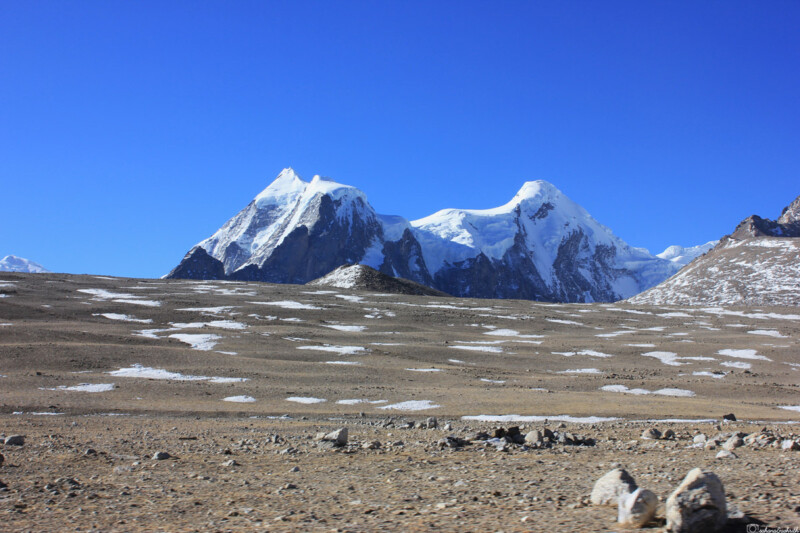
Northern Sikkim, especially Gurudongmar Lake, and Zuluk in East Sikkim are the most beautiful parts of the region. Both fall under the Protected Area Permit (PAP) zone.
How To Reach Sikkim
To reach Sikkim, you must first get to the Siliguri district in West Bengal, as the nearest airport and train station to Sikkim are located at Siliguri.
Reach Sikkim by air
Fly to Bagdogra Airport in Siliguri, the nearest airport to Sikkim. From there, take a taxi or shared jeep to Gangtok, which takes about 4 hours.
Travel to Sikkim by Train
Take a train to New Jalpaiguri (NJP) Railway Station near Siliguri, the nearest railway station to Sikkim. From NJP, taxis and shared jeeps are available to Gangtok, taking around 4-5 hours.
Don’t book your train tickets without first reading our guide on Train Travel in India to understand which class and ticket type suits you best.
Buses are also available from Siliguri, but they are unreliable in terms of timings.
How can you travel to Sikkim from major Indian cities?
From Delhi to Sikkim: Fly to Bagdogra (2 hours), train takes over 38 hours.
From Kolkata to Sikkim: Train to NJP Station (10 hours), many night sleeper trains, half the airfare cost.From
Varanasi to Sikkim: Train journey (15 hours) is best; direct flights to Bagdogra are rare and costly.
Are there any permits required to enter Sikkim
One of the first steps to understand when planning your trip to Sikkim is to know about Sikkim travel permits. You can craft your Sikkim itinerary only after you know if you are allowed to visit particular places.
Do Indians need a permit to visit Sikkim?
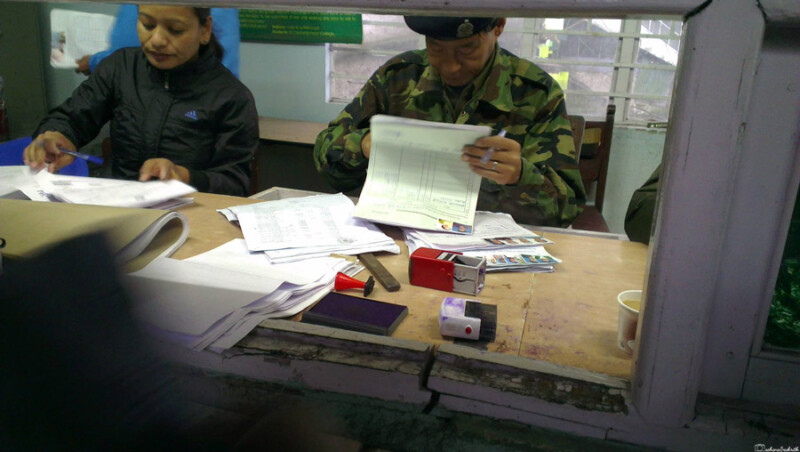
Indian travellers don’t need a special permit to enter Sikkim, unlike Lakshadweep. However, to visit areas near Bhutan and China, like Gurudongmar Lake, Nathula, Tsomgo Lake, and Zuluk Silk Road, you need a Protected Area Permit (PAP).
You can get PAP in Gangtok a day or two before your trip with your driving license, Aadhar card, or voter ID, and two passport-size photos. For convenience, travel agents can handle the process for an extra fee, provided you give them the necessary documents and photos.

Check Sikkim’s official website for PAP
Do foreigners need a permit for Sikkim?
Foreigners must get a Restricted Area Permit (RAP) to travel around Sikkim. You can obtain an RAP when getting your Indian tourist visa from the Indian embassy or at various cities in India. With RAP, you can visit places like Gangtok, Rumtek, Namchi, and Mangan.
For travel beyond these areas, a Protected Area Permit (PAP) is required, but even with a PAP, Gurudongmar Lake and Zuluk are off-limits. Foreigners can stay in Sikkim for up to 30 days, with extensions possible at the Home Department in Gangtok. Check the Sikkim Tourism website for more details.
What types of accommodation are available in Sikkim
- Luxury Hotels and Resorts: Pampered stay with top-notch amenities and views, mainly in Gangtok and Pelling.
- Mid-Range Hotels: Comfortable, reasonably priced, suitable for families, available throughout Sikkim except rural areas.
- Budget Hotels: Affordable with essentials, perfect for flashpackers, often without elevators.
- Guesthouses and Homestays: Cosy, local experience, common in rural areas, run by families.
- Eco-Resorts and Retreats: Peaceful, eco-friendly stays, mostly in famous rural areas.Hostels: Budget-friendly for backpackers and solo travellers, common in Gangtok and Pelling

What are the adventures of Sikkim
Trekking
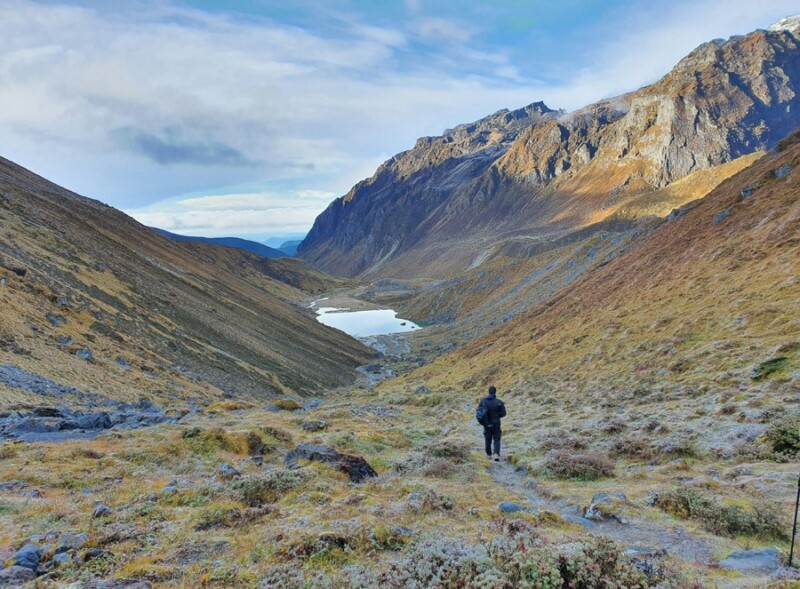
Goecha La Trek: Challenging 81km trek with stunning views of Mount Kanchenjunga, starts from Yuksom, takes 9-11 days.
Dzongri Trek: Shorter 41km trek with panoramic mountain views, starts from Yuksom, takes 4-5 days.
Green Lake Trek: Difficult 90km trek starting from Lachen, lasts 8-10 days
Adventure Activities
River Rafting: Experience thrilling rafting on the Teesta and Rangit rivers.
Paragliding: What is better than being a bird in Himalayan region? Although Paragliding was popular in only Kalimpong before (where Sahana did it), you can try paragliding in Sikkim also know
Bike trip: Exploring Sikkim’s rugged terrains and scenic routes on a bike is the best experience one can have in Sikkim! I have done it twice and I don’t mind doing it again. Parking my bike by Gurudongmar Lake was my dream came true moment.
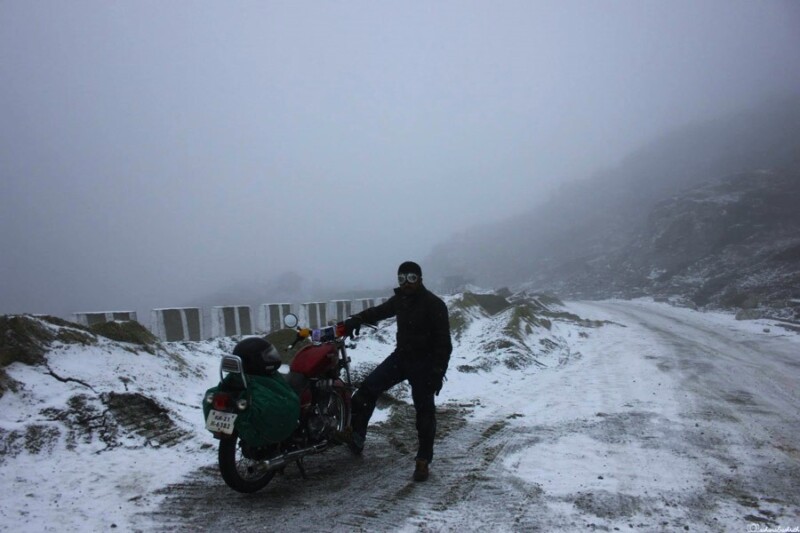
Crossing rugged roads with waterfalls, passing hamlets, and surprise views of Kanchenjunga – Sikkim is my biking paradise. Though driving there in winter was risky, riding on snow was quite an adventure!
For the best biking experience, plan Sikkim bike trip in May.
Cultural and Relaxation Activities
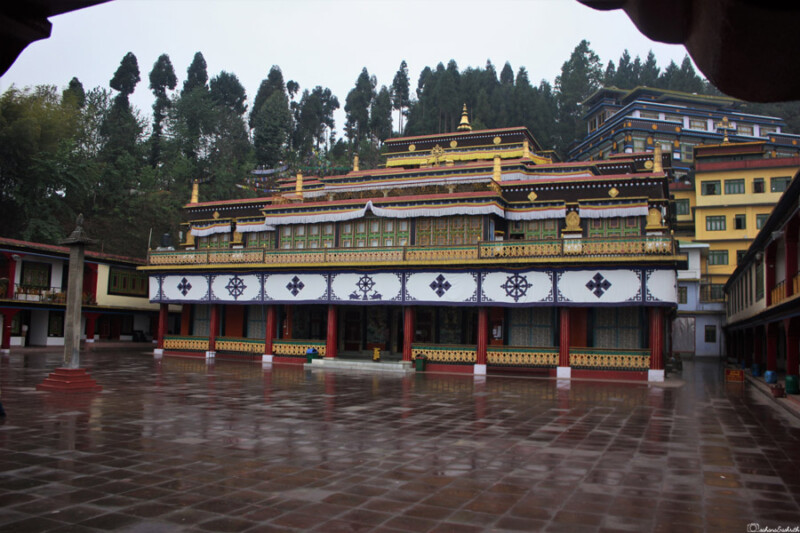
Monastery Visits: Discover monasteries like Rumtek, Pemayangtse, and Tashiding. Yuksom and Pelling have best monastery trails
Hot Springs: Relax in natural hot springs at Reshi and Yumthang.
Meditation and Yoga: Join meditation and yoga sessions offered by monasteries and retreats.
Bird Sanctuaries: Visit Maenam Wildlife Sanctuary to spot various bird species.
Are there any festivals or events to experience?
Home to Buddhists and Hindus, Sikkim celebrates many festivals. Below are the famous festivals you can attend between the second week of February and May – the ideal time to visit Sikkim.
Losar Festival: Tibetan New Year in February or March with colourful dances, traditional music, and feasts at Rumtek, Phodong, and Pemayangtse monasteries near Gangtok and Pelling.
Sakewa Festival: Also known as Bhumi Puja, celebrated by the Kirat Khambu Rai community in April or May on the full moon day of Baisakh. Best experienced in Namchi and Gangtok.
Losoong/Namsoong: Sikkimese New Year in mid-December, celebrating the end of the harvest season. Lepchas call it Namsoong, and Bhutias call it Losoong, lasting a week from the 29th of the tenth Tibetan lunar month.
Khecheopalri Lake Festival: Religious fair in March/April at Khecheopalri Lake. Pilgrims from Sikkim, Bhutan, Nepal, and India float butter lamps and offer food, believing the lake fulfills wishes and Shiva meditates there.
Sikkim Local Cuisine
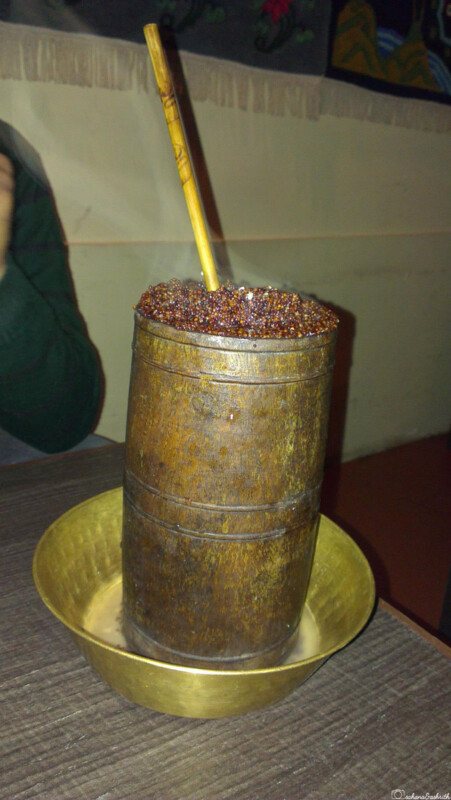
Sikkim’s traditional cuisine blends Nepalese, Tibetan, and Bhutia influences, featuring a mix of meat-based and vegetable-based dishes. It’s one of the few Indian states that takes organic farming seriously.
However, after travelling all over India and spending a lot of time in Sikkim, we wouldn’t say Sikkim’s traditional food is a true delight.
For us, it lacks variety. We keep Kerala, Mumbai, Gujarat or Varanasi food as our benchmark. Compared to that, Sikkimese food isn’t that enticing for us.
But don’t worry, you won’t starve in Sikkim. If you love potatoes, beef, and pork, you’ll enjoy the food. We do have a few favourites from Sikkim’s cuisine.
What are the traditional foods of Sikkim?
A staple in Sikkimese meals is momo, a type of dumpling filled with meat or vegetables, often served with spicy dipping sauces. I prefer chicken momos.
Sel roti, a traditional Nepali rice bread, is often prepared during festivals and special occasions.

Another popular dish is thukpa, a hearty noodle soup with vegetables and meat, perfect for the cold mountain climate. Sahana cooked it at one of her homestays, using lots of “saag” – a leafy vegetable – and loved every bit of it.
Gundruk and Sinki are fermented vegetable dishes, typically served as sides or added to stews, known for their unique tangy taste.
Additionally, Chhurpi, a local cheese made from yak or cow milk, is enjoyed in both hard and soft forms. When they’re hard, they’re as hard as rocks!

Sikkim Travel Tips
Planning a trip to Sikkim and travelling there isn’t rocket science, but it isn’t as easy as visiting famous places like Goa or Fort Kochi.
Plus, being a restricted area close to the China border, there are extra restrictions. These tips will help you plan your Sikkim trip better.
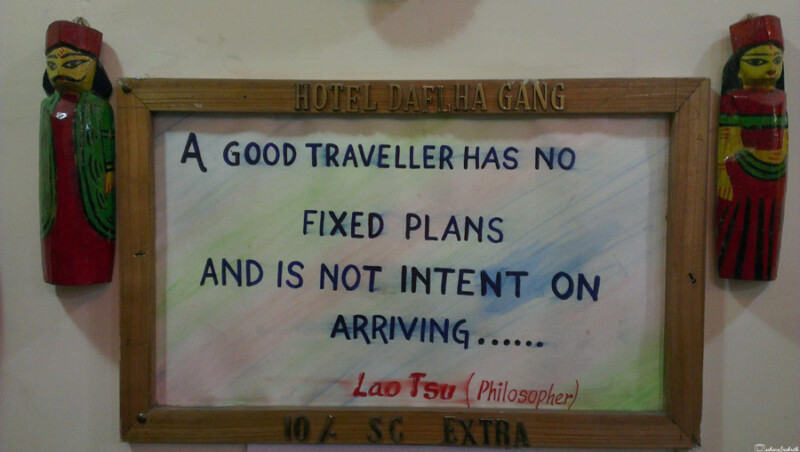
Due to the weather, difficult terrain, and high altitude, you need to follow certain precautionary measures. And you really can’t expect 100% of your Sikkim trip plan to be executed – Mountains weather are unpredictable.
What should you pack for a trip to Sikkim?
Carrying conservative clothes that cover your body isn’t a choice but mandatory here because Sikkim is cold most of the time.
If you’re going hiking in summer, any type of hiking wear is fine. But wear a long-sleeved shirt and pants when entering Buddhist monasteries.
The cold from February to June is more manageable than in winter, so you can ease up on winter wear. Light woollens with denim are perfect.
If you’re heading to the North, carry an extra jacket and gloves.
Bring a scarf or cap to cover your ears to avoid catching a cold or headache.
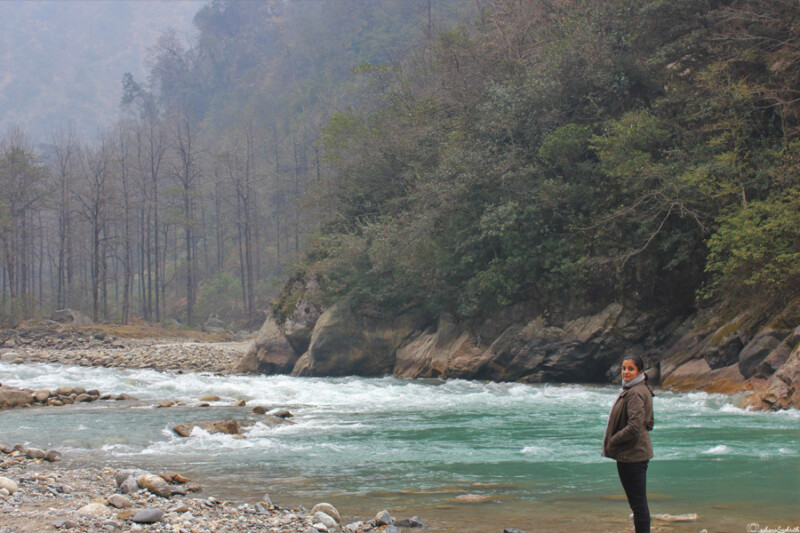
General packing checklist for Sikkim irrespective of the season
- Goggles with good filter capacity: Essential for sunny days on white glaciers.
- Sunscreen and good moisturiser: Prevents brittle skin and cracking lips in winter.
- Raincoat: Be prepared for sudden rain.
- Other toiletries and personal medicines: Don’t forget these essentials.
- Walking shoes or hiking boots: Comfortable footwear for exploring.
- Snow boots: Rentable at homestays near snow regions; bring if trekking on snow mountains.
- Passport (for foreigners) / National ID (for Indians) and passport-sized photographs: Necessary for identification and permits.

Are there any precautions to consider while going to Sikkim?
Other than obtaining permits based on your nationality, there are a few precautions you need to take when you travel to Sikkim: Weather conditions, road conditions, internet connectivity, cash payment, and high altitude sickness.
Sikkim Landslides and Weather
Trust me, you can’t underestimate Sikkim’s harsh weather from December to January. Landslides, roadblocks, and heavy snowfall are severe.
Only a small percentage of winter tourists have a good experience – they must be the “chosen” ones by God.
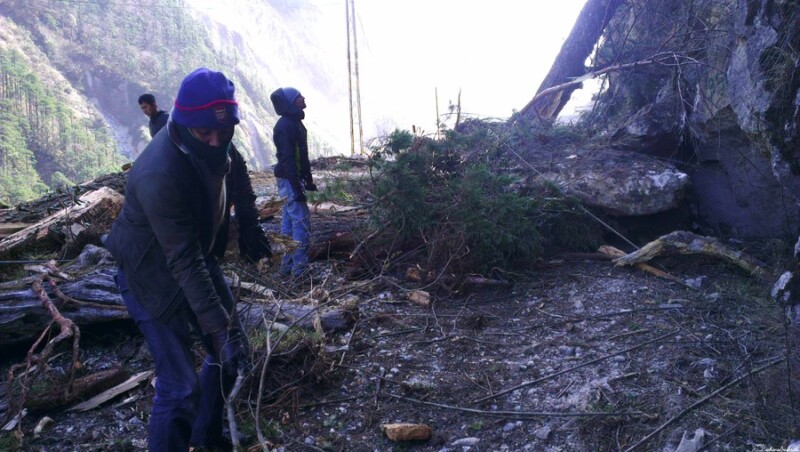
Many people ask about the best time to visit Sikkim.
Despite sharing my story of how the Indian military rescued my friends and me in December due to extreme weather, some still say, “I love landslides and rain. I’m an adventurer, and I’ll go to Sikkim in peak winter.”
Because of irresponsible tourists wanting extreme adventures, the Indian Army rescues tourists in December almost every year. So, be very cautious when planning your trip to Sikkim.
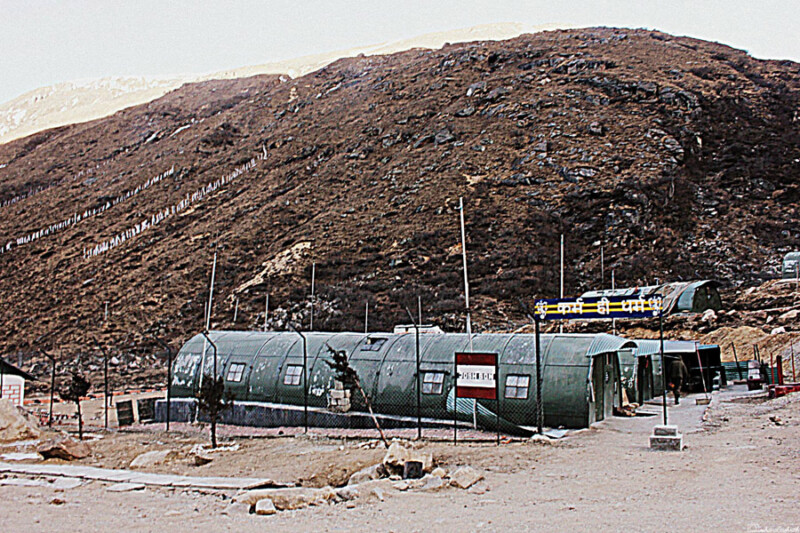
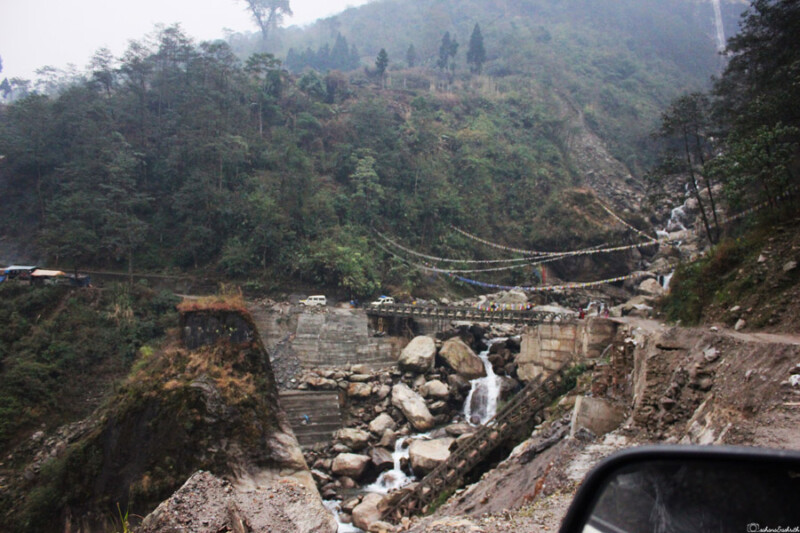
Road conditions in SIkkim
Don’t expect a smooth ride everywhere, and hardly any roads in Sikkim are straight.
If you have motion sickness or any health issues like back or joint pain that might worsen on rugged roads, prepare yourself with suitable medicines beforehand.
Having railways connect Sikkim’s rough and varying terrain is almost impossible. So, you really depend on roads, whether private cars or shared jeeps.
The mountainous roads are prone to landslides, snowfall, and rainfall, causing frequent wear and tear despite regular repairs.
Internet Connectivity in Sikkim
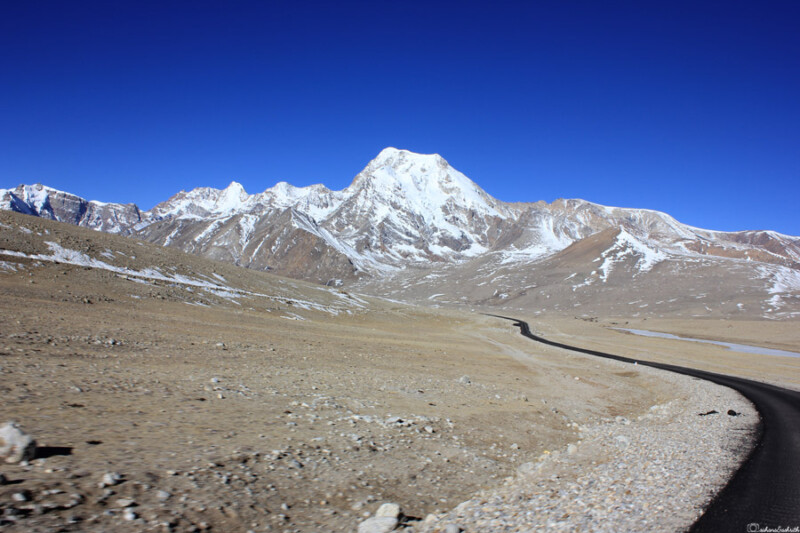
Remote areas in North Sikkim and border regions still lack network coverage, making them perfect for a digital detox.
Connectivity has improved since my first trip in 2013 when there was no network beyond Gangtok. By 2016, things were better, and in 2018, Sahana found coverage in almost all non-remote areas.
Major providers like Airtel, Vodafone, and Jio offer good coverage, but in remote and high-altitude regions, connectivity can still be limited or non-existent. Download offline maps before visiting.
Cash Payment in Sikkim
Sikkim still operates largely on cash due to weak internet service hindering digital payments like PhonePe and Google Pay.
Since 16th July 2024, Sikkim taxi drivers must display QR codes for digital payment, but its effectiveness remains to be seen.
Foreign tourists usually can’t use Google Pay or PhonePe, so cash is essential. ATMs are plentiful in towns but scarce in rural areas, so withdraw enough money in advance.
Foreign currency exchange kiosks are available in Gangtok, with a few in Namchi and Pelling.

How can you manage altitude sickness in higher regions of Sikkim?
Travelling above 8,000 feet can risk altitude illness due to low oxygen. In Sikkim, elevations vary: Gangtok is at 5,600 ft, Pelling at 7,200 ft, Zuluk at 9,500 ft, Lachen at 8,838 ft, Tsomgo Lake at 13,318 ft, and Gurudongmar Lake at 17,800 ft. Knowing your altitude tolerance is crucial.
Take scientific precautions, ascend slowly, and consult your doctor beforehand for advice and medication. Locals have tips too – our guide Buddha recommended popcorn and tomatoes with ginger.
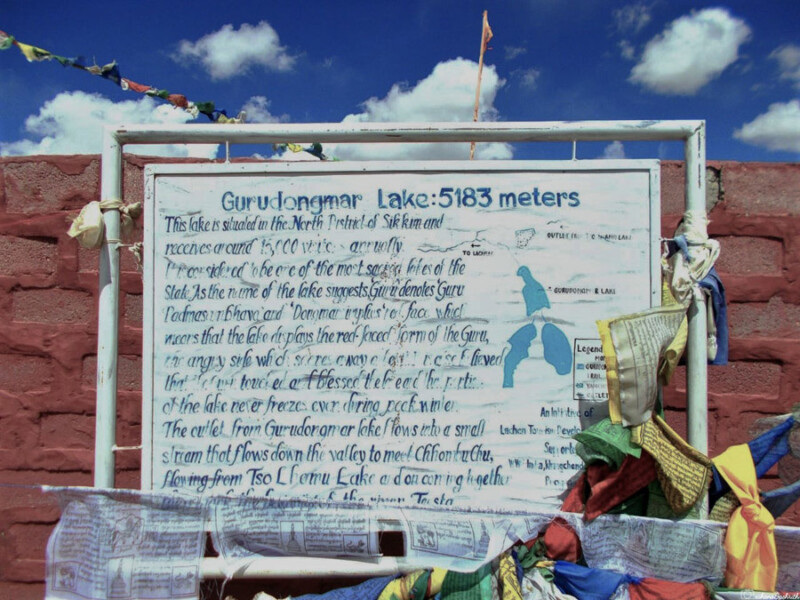
For Sahana and me, our limit was 12,000 ft. After crossing Thangu village towards Gurudongmar, we felt dizzy and sick. I managed Gurudongmar at 17,800 ft with a slight nosebleed but stayed conscious and rode my bike to the lake. Sahana fainted and was in critical condition until the Indian military rescued her.
Transportation within Sikkim
Sikkim Nationalized Transportation is a government company that provides buses and shared taxi services across Sikkim. The most common public transport is shared taxis, which run all over Sikkim.
However, they usually have fixed stops and timings, so I don’t recommend them for travellers unless you are spending a month and have plenty of time to experiment.
The curvy, winding roads connect various towns in Sikkim. No big buses or trains will take you from point A to B.
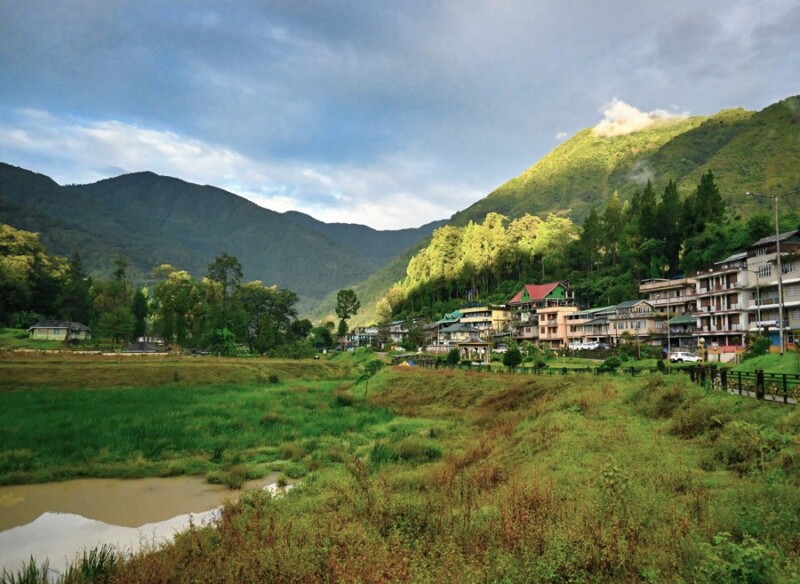
Locals use shared jeeps, and most tourists hire either a private car with a driver or group taxis.
How can you travel around Sikkim ?
For tourists planning to explore Sikkim for less than 15 days, the ideal way is to ride a motorbike like I did, hire a private cab like Sahana, or cycle. These options provide the flexibility and convenience needed to fully appreciate Sikkim’s beautiful and diverse landscape.
Biking in SIkkim
Unlike Leh Ladakh, Sikkim hasn’t become a biker’s hub yet, but you do find a few bikers now and then. I sent my bike via train to Siliguri from Bangalore and continued my journey to Gangtok onwards. From Sikkim, I even crossed the border to Bhutan, where I spent 10 days biking around.

Remember, there might be delays in receiving your bike by train. If you plan to rent a bike (preferably a Royal Enfield or similar), it’s better to do so before entering Sikkim, as there are only a few options in Gangtok.
Travelling in Sikkim by bicycles
Many foreign travellers, especially from colder regions opt to explore Sikkim by bicycle.
If you’re super fit and a regular cyclist, you’ll love these uphill rides. Renting options are limited, but most hostels can arrange for cycling.
Exploring Sikkim by car
The best way to explore Sikkim is by private car. It gives you the freedom to choose what to see and skip. Plus, it’s better to have your own car with a driver when there are roadblocks.
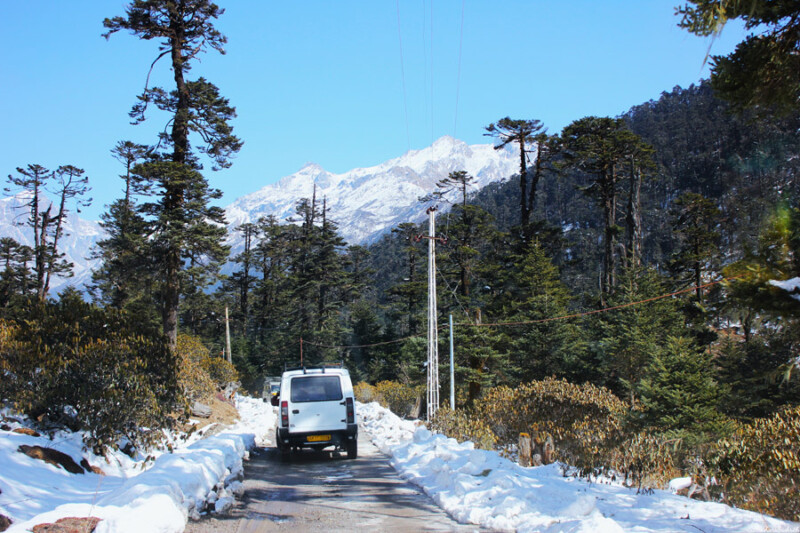
Driving is an option if you’re skilled, but I don’t recommend it if you’re an amateur and lack experience on rugged terrain.
Renting private Taxi in Sikkim
When renting a private taxi with a driver in Sikkim, you have two options: online pre- booking or booking upon arrival in Gangtok.
At the Gangtok taxi stand, you’ll find many taxis, but during peak season (March to May), they may not be available on the spot, and drivers might ask for extra “tips.” You can hire taxis based on your itinerary, including trips to North Sikkim.

Alternatively, I recommend booking online through Sikkim government-approved cab services.
Sahana had a great experience with Travel Zone Tours and Travels. These cabs offer better customer service and are less likely to scam you compared to on-the-spot hires.
You can also email other government-approved services listed on their website to find the best fit. Agencies often offer packages including the car, driver, permits, and accommodation.
However, it’s best to book your own accommodation to avoid clichéd hotels that agents might choose.
How much does a trip to Sikkim cost
The cost of a trip to Sikkim can vary greatly depending on various factors such as the duration of your stay, the type of accommodation, mode of transport, and activities planned. Here’s a rough estimate:
Budget Travel
- Total: ₹2,300-₹5,000/day per person
- Accommodation: ₹500-₹1,500/night (guesthouses or budget hotels)
- Food: ₹300-₹500/day
- Transport: ₹1,000-₹2,000 (shared taxis or buses)
- Activities: ₹500-₹1,000 (local sightseeing)
Mid-Range Travel
- Total: ₹5,500-₹11,000/day per person
- Accommodation: ₹2,000-₹4,000/night (mid-range hotels)
- Food: ₹500-₹1,000/day
- Transport: ₹2,000-₹4,000 (private taxis or rental cars)
- Activities: ₹1,000-₹2,000 (guided tours, adventure sports)
Luxury Travel
- Total: ₹12,000-₹25,500/day per person
- Accommodation: ₹5,000-₹10,000/night (luxury hotels or resorts)
- Food: ₹1,000-₹2,500/day
- Transport: ₹4,000-₹8,000 (private luxury taxis or car rentals)
- Activities: ₹2,000-₹5,000 (exclusive tours, premium experiences)
Additional Costs
- Permits: Some areas in Sikkim require permits (e.g., Nathula Pass, North Sikkim). These can cost ₹200-₹500 per person.
- Travel Insurance: ₹500-₹2,000 depending on the plan.
Tips for Budget Travel
- Travel to Sikkim during the off-season March February to for lower accommodation rates.
- Eat at local restaurants for affordable meals, as gourmet restaurants and fancy hotels are rare. Small home-run cafes and homestays are the best for saving money.
- With many foreign backpackers visiting, hostel culture is growing in Sikkim, especially in Gangtok and Pelling. Utilise that for budget-friendly stays.
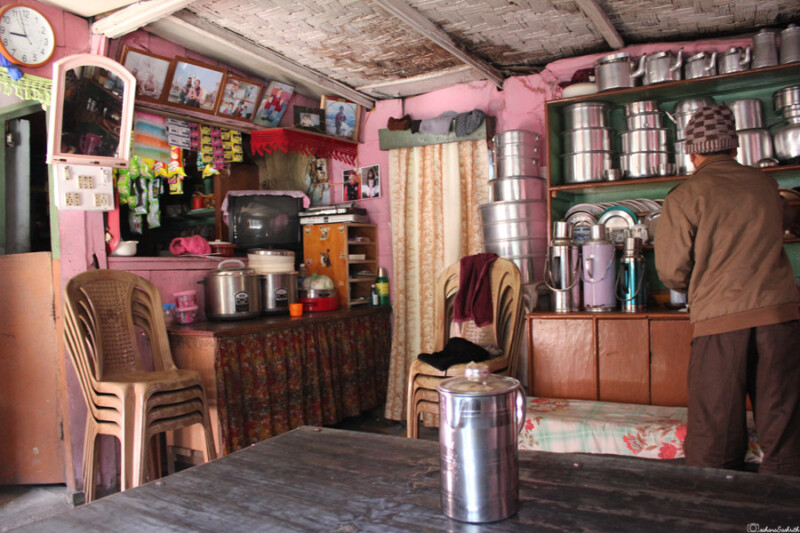
If you are travelling with the elderly, book rooms on the ground floor as most budget hotels don’t have elevators.
Cultural Insights:
Buddhism is the main religion in Sikkim, but there are divisions within it. Homestay owners often mention their neighbours’ and workers’ caste or group.
The official languages are English, Nepali, Sikkimese, and other regional variations. Most travel-related people speak English, but some Hindi helps.
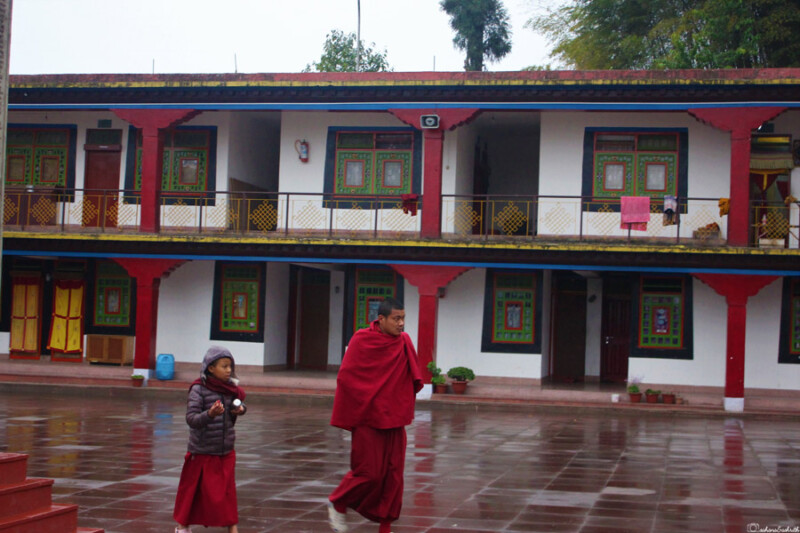
In Gangtok, youngsters sport denim and stylish jackets, while Sikkimese women have a great sense of contemporary fashion. Locals, from momo sellers to homestay owners, are always neatly groomed.
Older women wear traditional Chuba, and older men usually wear blazers and formal trousers.

What is the local culture and lifestyle like?
Both young and old Sikkimese are religious. Visiting monasteries, praying, and offering Pepsi and Lays chips is common! So, don’t be surprised to see 7-Up or Pepsi tins at the foot of giant Buddha statues.
Drinking is part of the Sikkimese lifestyle, likely due to the cold weather. It’s common for cab drivers to have a peg of whiskey or two after dropping you at the hotel. However, by morning, they are sober and fit to drive effortlessly.
Safety and Health
Is Sikkim safe for travellers?
Sikkim is one of the safest states in India for travellers, particularly women, solo travellers, and bikers. I’ve explored remote Sikkim twice?once with six people and once with three on two bikes. We always received love and help. Sahana and my sister also had a great time traveling around Sikkim.
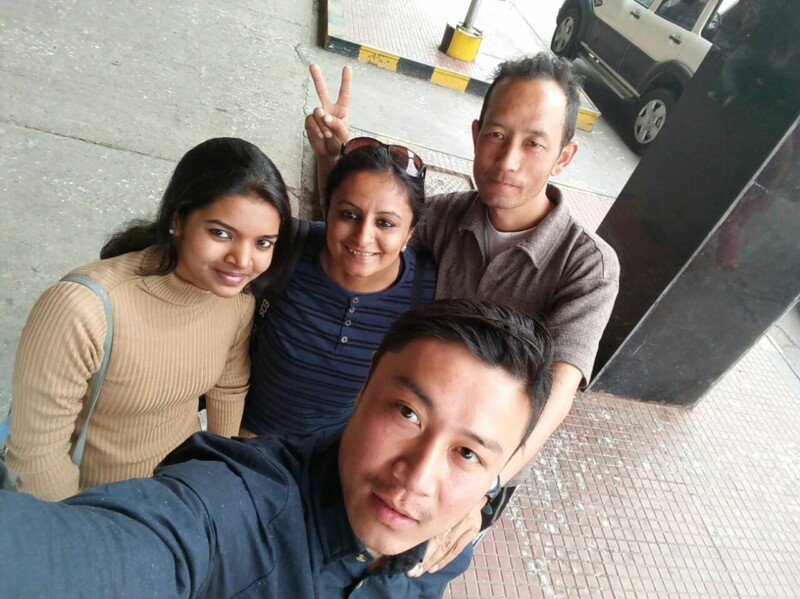
However, take usual precautions as you would in any safe country.
Sikkim has a high alcohol consumption rate, with many karaoke clubs and bars in Gangtok and liquor shops in small villages. You might encounter intoxicated folks at night, so avoid walking late in isolated areas.
Stay in a group if you party and avoid deserted spots.
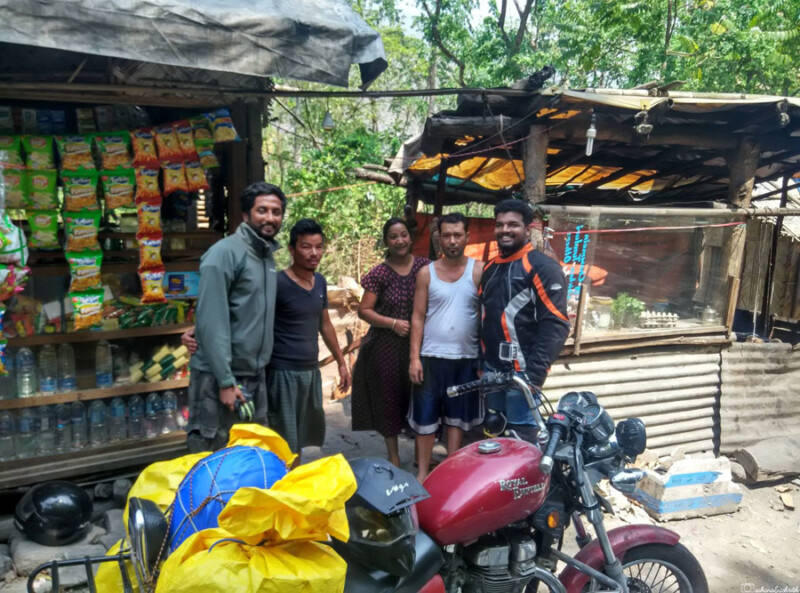
During my second bike trip, a family helped me late at night when my bike broke down, rescuing me from a drunk man. It’s best to avoid travelling alone after dark in rural areas.
What health precautions should you take?
Sikkim food is safer than in many parts of India, including street food. In 2003, Sikkim passed a resolution to shift towards organic farming, aiming to stop using chemicals and pesticides.
While I can’t fully confirm this, the vegetables in Sikkim are definitely fresher and healthier.
Avoid eating at random street food joints. Usually, home stays prepare healthier food than restaurants.
FAQ
How do I go about planning a trip to Sikkim
- Research Places: Learn about the places you can visit.
- Check Permits: See which areas need special permits.
- Flexible Itinerary: Create a flexible travel plan.
- Book air/railway tickets: Reserve your flights to Bagdogra or train to NJP.
- Accommodation: Pre-book hotels or homestays.
- Get Permits: Obtain necessary permits for restricted areas.
- Transport: Arrange private car or rental.
- Local Guides: Use online resources or hire local guides.
- Pack Right: Bring appropriate clothing for the weather.
- Health Prep: Carry necessary medicines for altitude sickness.

Is it possible to plan a trip to Sikkim without going through a travel agency
Yes, it’s totally possible to plan a trip to Sikkim without a travel agency, as long as you don’t have a strict schedule or time-bound trip. Just book your flights, accommodation, and permits in advance. Use online resources and local guides to help you out. It gives you more flexibility. We did it this way and had a great time!


