Disclaimer: Some links in this post are affiliate links. If you book through them, we earn a small commission at no extra cost to you. See our Privacy Policy for details.
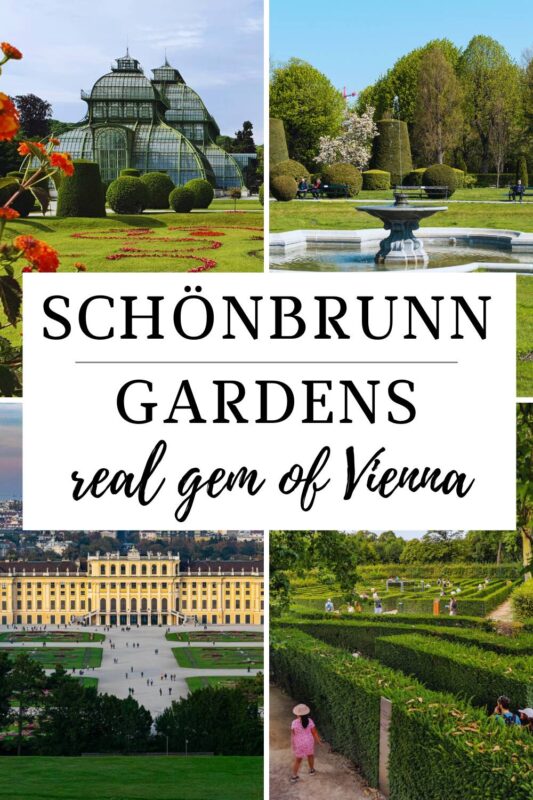
Visiting Schönbrunn Gardens, Skipping Palace : Travel Review
If you’re planning a trip to Vienna, you’ll definitely come across Schönbrunn Palace — it’s massive, historic, and highly recommended.
But once I read about how big it was (over 465 acres!), I felt completely lost. Do I explore inside? Stick to the gardens? Buy a ticket?
My mum, who’s a passionate gardener from a lush hill town in India, made the decision easy: “We’ll be seeing plenty of palaces over the next 15 days in Austria. Let’s just enjoy the gardens and take a break from Vienna’s city vibe.”
So we did. We skipped the interiors, explored the Schönbrunn park, walked past fountains and quiet corners, and soaked in the calm.
After three hours, I realised — the gardens are the real highlight of the mighty Schönbrunn
This post is for anyone wondering if it’s worth visiting Schönbrunn gardens or park without a palace tour. I’ll share exactly what you can see for free, which garden areas need a ticket, and how to plan a relaxed, self-guided visit through the grounds.
Is it worth visiting only Schönbrunn gardens without a palace tour?

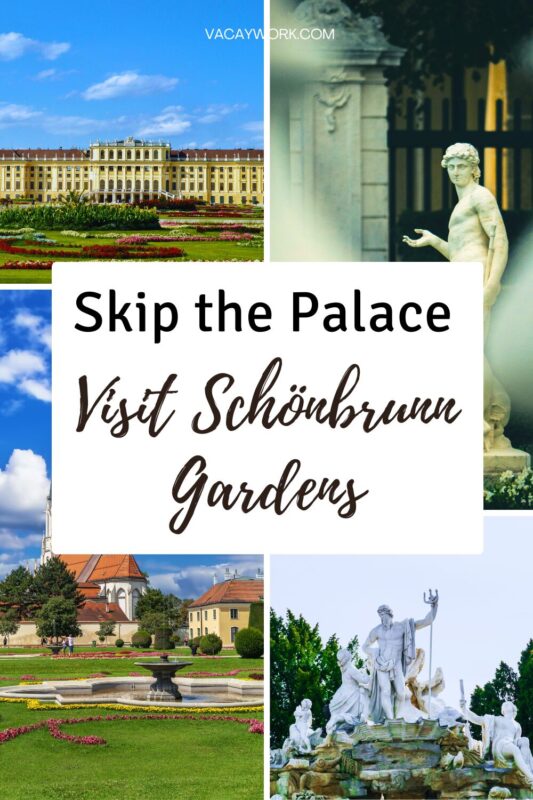
Short answer? Absolutely. I skipped the palace interiors during my visit to Schönbrunn and don’t regret it one bit. The gardens are free, peaceful, and full of charm — think fountains, sculptures, hidden benches, and wide paths leading up to the Gloriette hill.
If you’re short on time, on a budget trip in Austria, or just not into guided tours, skip the palace.
Especially if you’re visiting other palaces in Austria such as the one at Innsbruck or Vienna’s main Hofburg palace, that share similar grandeur, stick to visiting gardens at Schönbrunn.
Why Schönbrunn Park feels special
I’ve visited palaces all over the world, and they’re usually crowded and formal. But Schönbrunn feels different — it’s a place that both locals and travellers enjoy, thanks to its massive gardens that are free.
You’ll find a mix of uphill paths, flat trails, elegant sculptures, and tree-lined benches. One of my favourite parts?
A tunnel covered in creepers — it honestly feels like a hidden passage.
I didn’t expect to enjoy the gardens this much. We entered through the main gate, passed the Neptune Fountain, and headed uphill — and just like that, the palace disappeared from view.
There were leafy archways, birds hopping around, and gravel paths that made me slow down. Some parts were lively, others were almost silent. It felt like stepping into a calmer, greener side of Vienna.
And when you turn around from Gloriette hill, the view is stunning — the palace, Vienna skyline, and garden symmetry all line up perfectly.
I spent nearly three hours here at the gardens, and still felt like I’d only seen half of it.
Which Schönbrunn Gardens Are Free and Which Need a Ticket?
What can you see without a ticket at gardens?
Most of Schönbrunn Park is free to enter — and honestly, that’s already a lot. You can easily spend at least 1.5 hours here without spending anything. Here’s what’s completely free:
- Ehrenhof (main courtyard) – the best view of the palace exterior
- Great Parterre – symmetrical flower beds and mythological statues
- Neptune Fountain – large and dramatic, right at the foot of the Gloriette hill
- Roman Ruin and Obelisk Fountain – quieter corners, great for slowing down
- Tree-lined paths and woodland trails – ideal for peaceful walks or jogging
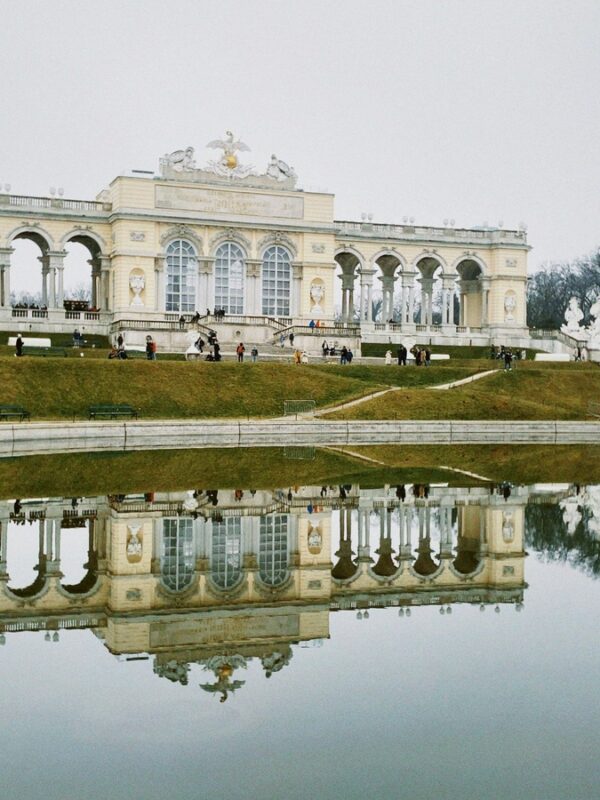
- Gloriette hill walk – the climb is free, and the views from the top path are excellent
- Open lawns and benches – perfect for people-watching or reading
The gardens open as early as 6:30 AM and close between 8 PM and 9 PM in summer, depending on the month.

What Areas of Schönbrunn Gardens Need a Ticket
Some parts of the garden complex are not included in the free visit. If you’re curious about the more exclusive, quieter spots, here’s where you’ll need a ticket:
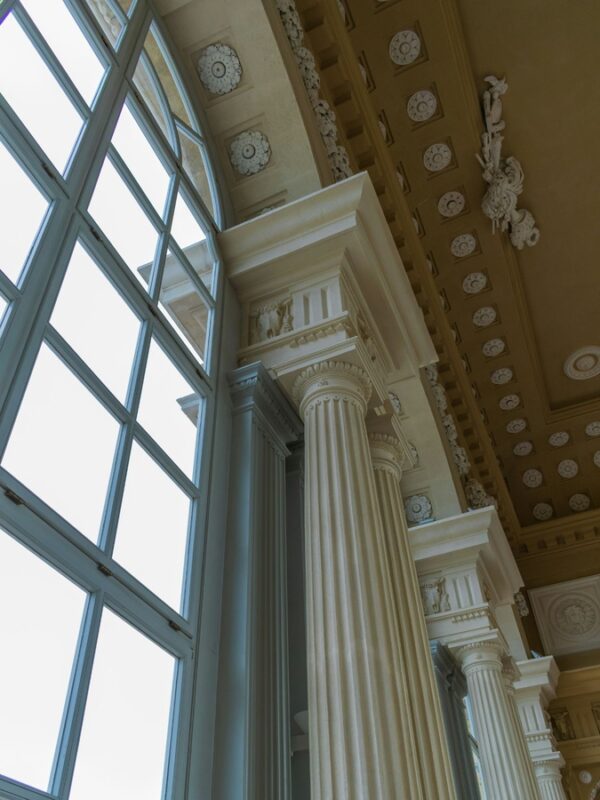
- Gloriette Rooftop Terrace – climb to the top for the best panoramic views of Vienna
- Privy Garden – a formal, symmetrical garden tucked behind the palace
- Maze and Labyrinth + Labyrinthikon playground – surprisingly fun, even for adults
- Orangery Garden – citrus trees, flowerbeds, and the concert hall entrance
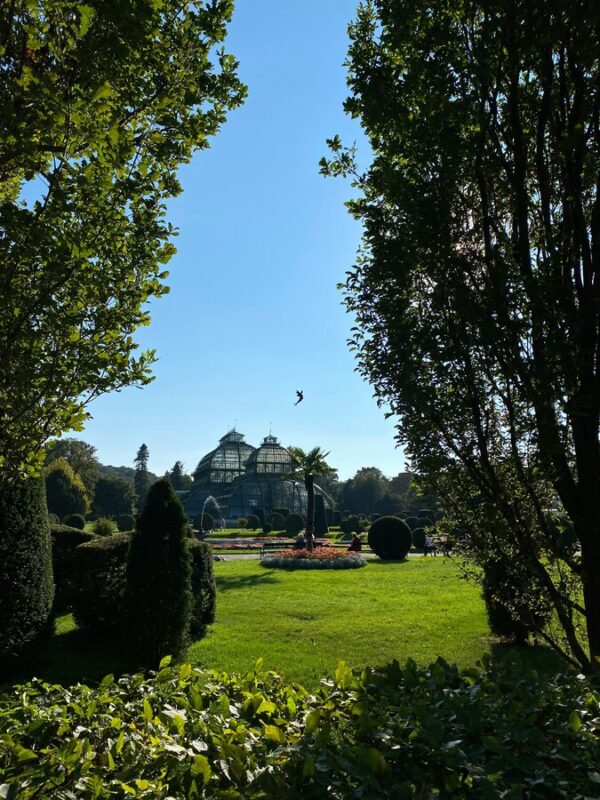
- Palm House and Desert House – large glasshouses with tropical and desert plants
The Best Ticket for Garden Lovers: Exclusive Gardens Pass (€15)
I bought the Exclusive Gardens Pass for €15, and it turned out to be the perfect choice. It includes access to all the ticketed spots above — without needing to step inside the palace itself.
This is what you get with the pass:
- Entry to the Gloriette rooftop terrace
- Access to the Privy Garden
- Entry into the Maze and Labyrinth
- Access to the Orangery Garden
Is it easy to walk around Schönbrunn gardens.
Yes. I explored the garden with my mum, and even though it involves a fair bit of walking on almost flat lands, it never felt difficult.

Just wear comfortable shoes and clothes appropriate for weather. My cotton skirt and walking shoes were perfect for Austria’s hot summer.
My mum is 60, and she found it very manageable. The garden layout naturally invites you to go slow.
We visited in the early evening, took our time, and stopped often to sit and enjoy the views.
A Brief History of Schönbrunn Park
The gardens at Schönbrunn Palace go back to the 14th century, when this area was called Katterburg. It wasn’t a grand royal estate back then — more like a mix of hunting grounds, vineyards, mills, and farmland.

The name Schönbrunn (meaning “beautiful spring”) came about in 1612, when Emperor Matthias supposedly found a fresh spring here. Honestly, the name fits. Some parts of the park still feel like a quiet natural escape
The famous scenic riverside Wachau Valley vineyards are just under 100 km from here — So it makes total sense that this landscape once had vineyards too.
Who designed the gardens?
In 1569, Emperor Maximilian II — the Holy Roman Emperor who tried to ease tensions between Catholics and Protestants — took over this land. He filled it with exotic birds and wild animals, creating a personal retreat to relax in.
But it was Maria Theresa who truly transformed the place. She’s one of my favourite historical figures — not just because she ruled such a huge empire, but because she somehow raised 16 children while doing it!

Together with her husband, Franz I Stephan of Lorraine, she turned the grounds into a proper Baroque garden.
Think symmetry, grand fountains, tree-lined avenues, and mythological sculptures.
By 1779, the gardens were opened to the public — making them one of the oldest palace parks in the world that’s still used by locals and travellers alike.
Today, it’s a UNESCO World Heritage Site, and it still feels the way they meant it to — a place to walk, sit, breathe, and enjoy a bit of beauty without needing a tour guide or a ticket.
Key Areas of Schönbrunn Gardens (With My Experience)
Parterre
Once you get off at Schönbrunn metro station or the bus station, you arrive at the main gate that shows you beautiful yellow palace with green doors with huge main courtyard for which you absolutely don’t need a ticket to enter.
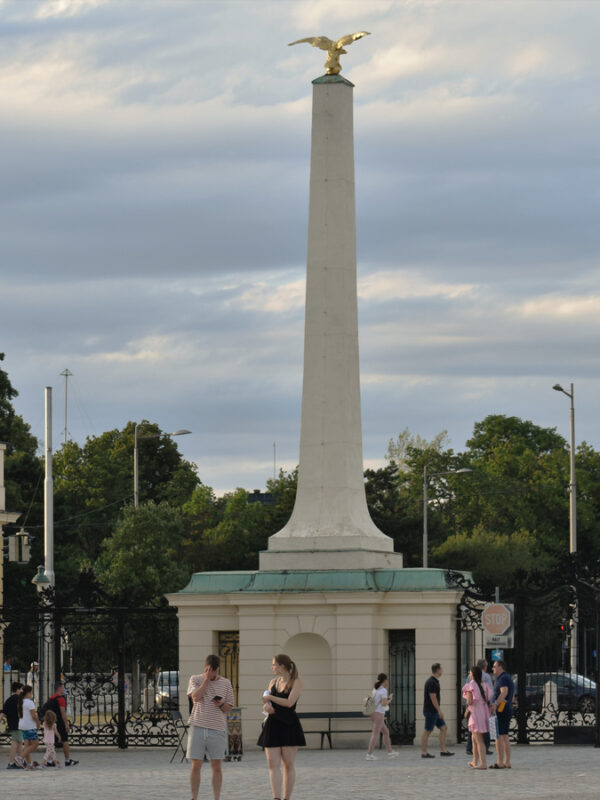
As you walk past the main courtyard and the royal apartments, the space suddenly opens up — and you’re hit with the scale of it.
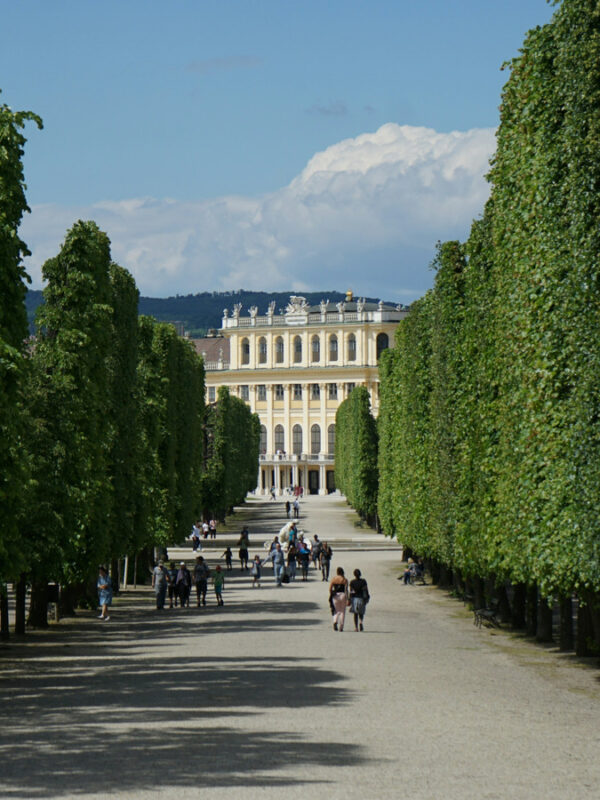
A wide gravel pathway stretches out in front of you, framed by clipped hedges and lined with statues. This is the Great Parterre — the most formal, symmetrical part of the garden, designed to impress from the very first step.
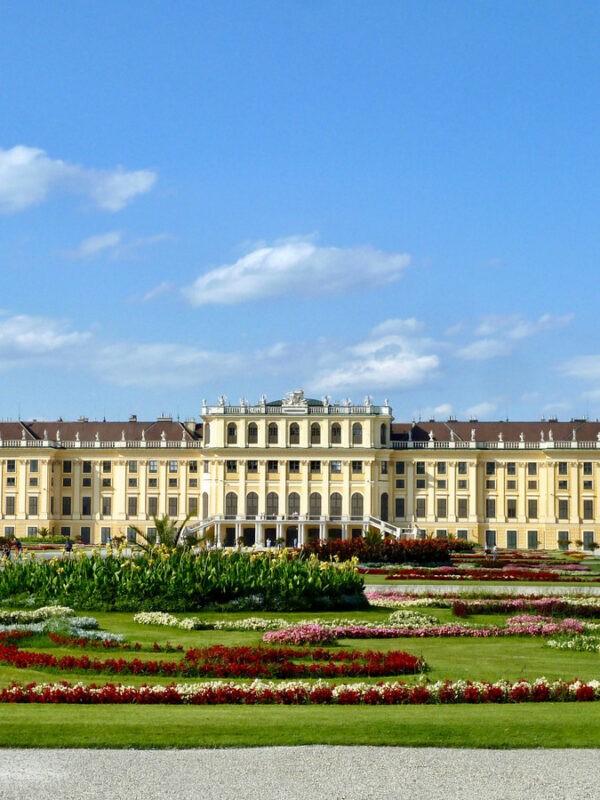
The layout is like embroidery in landscape form — gravel beds, box hedges, and perfect geometry everywhere you look.
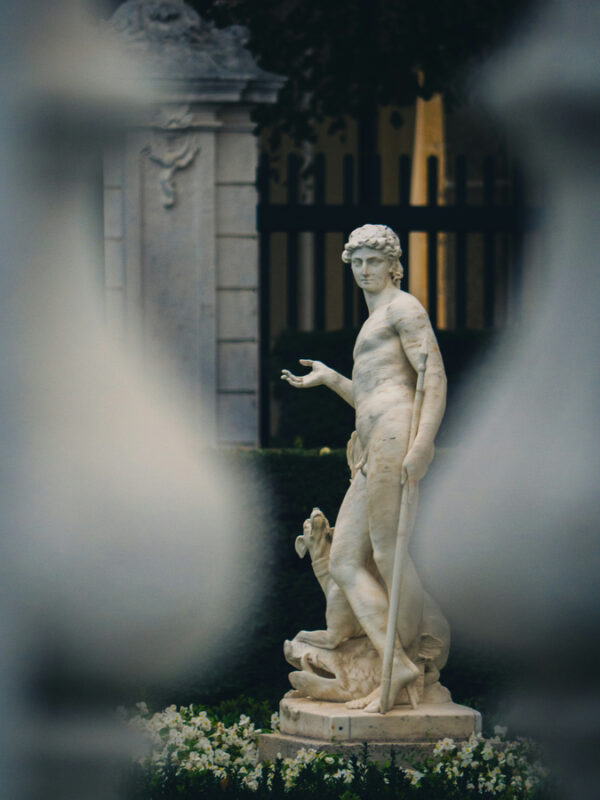
On either side of the main path, you’ll spot rows of white marble statues, all based on Greek and Roman mythology.
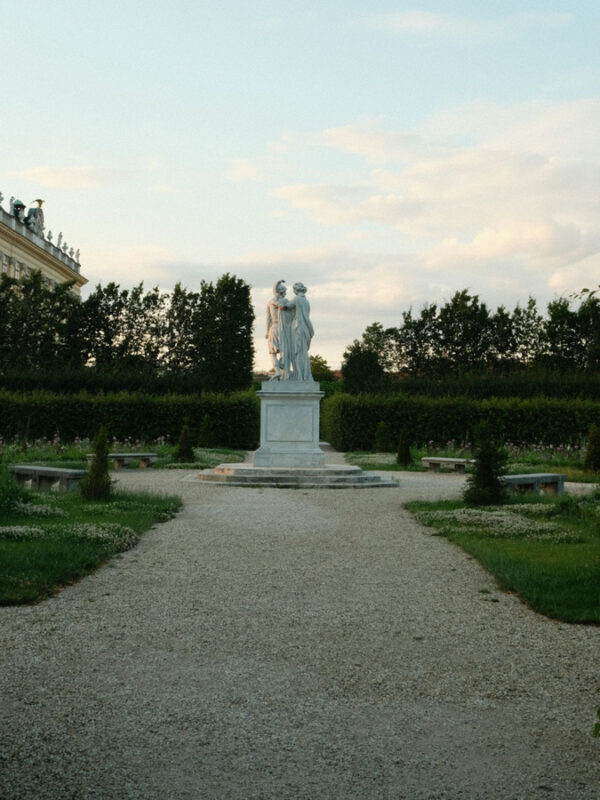
Some stand confidently holding spears, others twist mid-action, like they’re frozen in motion. One that really stood out to me was Hercules battling the Hydra — dramatic, bold, and hard to miss.
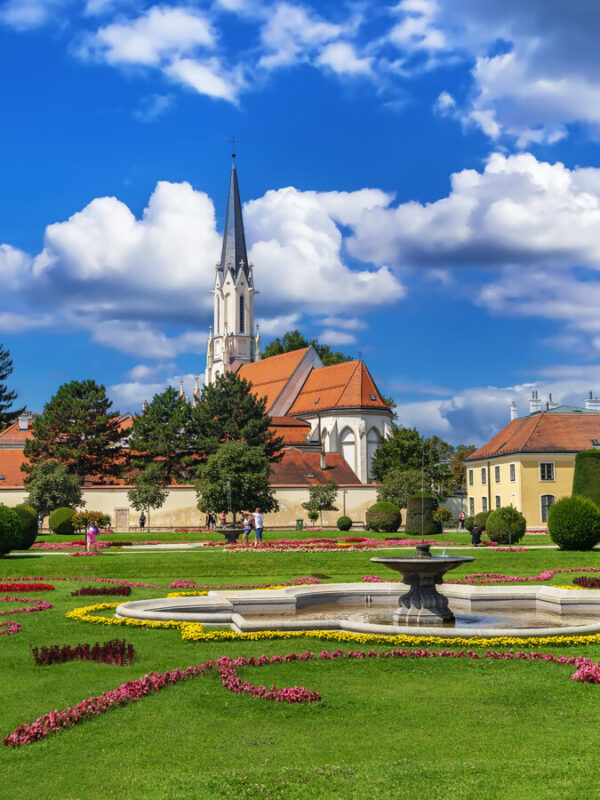
This part of the garden is completely free to explore, and it sets the mood for what’s ahead — neat, grand, and full of symbolism.
At the far end of the Parterre, the gravel path leads you naturally toward the next dramatic showpiece waiting at the base of the hill.
Neptune Fountain
At the end of the Parterre, the formal lines and hedges give way to something far more dramatic — the Neptune Fountain, marking the start of the hill climb.


The Neptune Fountain sits right at the foot of Gloriette hill. It’s dramatic and full of energy — sea gods, horses, all that classic Baroque grandeur. I stopped here longer than I expected, just soaking in the scale of it.
You don’t need a ticket to see any of this part — and honestly, it’s one of the most atmospheric walks in Schönbrunn.
Gloriette Hill and Cafe
From the Neptune Fountain, it’s a gentle uphill walk to the top of the garden axis — and that’s where the Gloriette rises.

The walk up Gloriette hill was one of my favourite parts of Schönbrunn — and yes, it’s completely free.
You can stop anywhere along the way, rest on the stone benches, or just turn around and enjoy how the palace shrinks behind you while Vienna stretches out in front.
We reached the top just as the sun was softening. From the Gloriette café — open to all, no ticket needed — we sat with coffee, not doing anything, just watching the skyline slowly turn golden.
But if you want to go onto the rooftop terrace, you’ll need a ticket or the Exclusive Gardens pass. I went up, and the view was absolutely worth it.

Everything lines up perfectly — the Parterre, the palace, and the rooftops of Vienna beyond. Even the vineyards show up in the distance.
My tip: Do the climb in the evening. It’s cooler, quieter, and that view from the top is easily one of the best in the city.
Maze & Labyrinth – A Fun Break from the Grand Stuff
Once you’re done with your coffee at the Gloriette café, take the path down the left side of the hill. After about 5 to 7 minutes, you’ll reach the Maze and Labyrinth area — a little tucked behind the palace.

You can see this section from outside without a ticket. But if you want to actually enter the maze and play around, you’ll need to buy a pass that includes it.
And trust me — it’s worth it. I thought it was just for kids, but once I stepped in with mom, I got completely turned around.
Next to the maze is the Labyrinthikon playground — officially for kids, but don’t let that stop you. It’s a nice little surprise tucked into all the palace formality.
My tip: Add this to your garden ticket if you want a laugh. You’ll only need 30 minutes, but it adds a playful pause between the formal stuff.
Roman Ruin
From the maze, if you keep walk towards Privy garden, you’ll come across one of Schönbrunn’s most atmospheric spots — the Roman Ruin.
Further in, the crowds fade, and you reach the Roman Ruin — still part of the free area. The ruin isn’t real, but it looks convincingly ancient, overgrown, and almost forgotten.
I liked these corners most because no one else lingered. It was just me, the sculptures, and the sound of wind through the trees.
Obelisk Fountain
Just a short walk from the Roman Ruin, you’ll find another overlooked corner of the garden — the Obelisk Fountain.
The Obelisk Fountain is taller and grander — more about imperial pride than myth. It reminded me a bit of Luxor, but without the heat and chaos.
My tip: You don’t need a ticket for any of this. These are perfect for slowing down, taking a break, or just wandering away from the crowds.
Privy Garden – Your Quiet Pause
From the Obelisk Fountain, loop back toward the side of the palace. As you follow the path, you’ll pass through a lovely creeper-covered tunnel — one of the most peaceful spots in the park.
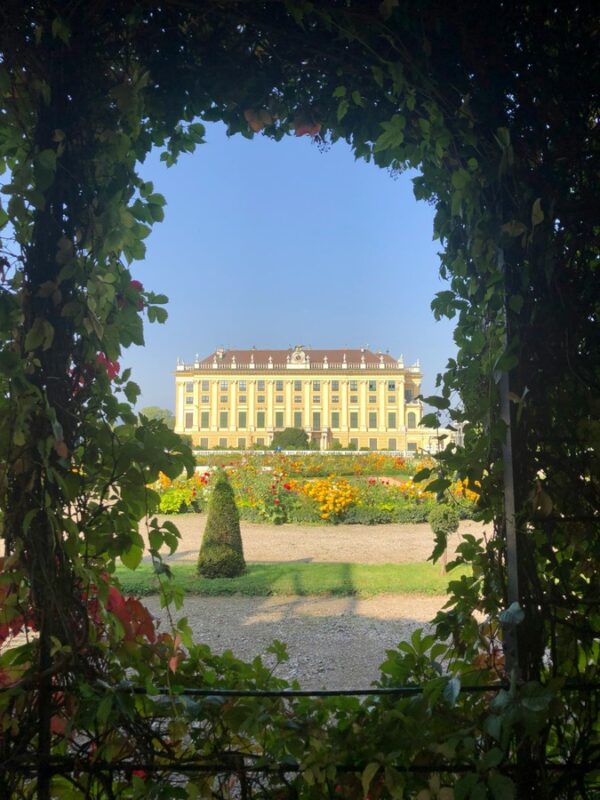
It’s shady, cool, and almost silent — the perfect lead-up to the next hidden corner.
Within a few minutes, you’ll reach the entrance to the Privy Garden (also known as the Crown Prince Garden).
You can see glimpses through the gates — neat hedges, symmetrical flowerbeds, and citrus trees in big tubs. That view is free. But to enter the garden, walk the inner paths, and sit on a quiet bench, you’ll need a ticket.
It’s much smaller than the other parts of Schönbrunn, but that’s what makes it feel special. I spent about 20 peaceful minutes here, just sitting under the trees, watching shadows shift across the gravel.
My tip: Visit this if you want a quiet spot all to yourself. It’s not a must-see for everyone, but if you love orderly gardens and silence, it’s worth the extra ticket.
Orangery Garden – Royal Drama Meets Quiet Charm
After you pass the Privy Garden, head towards the long yellow building near the side gate — that’s the Orangery. From the outside, it looks plain. You’d never guess what it was built for.

In the 1700s, the Habsburgs needed a way to protect their citrus trees during Vienna’s harsh winters.
So they built this 189-metre-long Baroque hall — one of the biggest orangeries in Europe. But of course, it wasn’t just for plants.
This was where they threw lavish royal banquets, including one where they staged a fake spring indoors in winter and now it hosts Opera concerts!!

If you have a garden ticket, you can enter the Orangery Garden — a quiet space with potted citrus, a central fountain, and even a small vineyard that now supports a children’s charity.
You’ll also spot the Citron House, built for even more delicate plants, and traces of the original underfloor heating system still in place.
You want to go jogging with locals ?
Not everything in Schönbrunn has to be about sightseeing. One of the best parts? You can just use the park like the locals do.
The grounds open as early as 6:30 AM, way before the palace or any of the ticketed areas. That means you can jog, walk, or just wander for free — no ticket needed. The wide gravel paths, shady trails, and even the gentle slopes around Gloriette hill are perfect if you’re after some movement.
I came in around 5:30 PM, wandered without a map, and somehow ended up doing over three hours of walking before heading straight to the Orangery concert. It didn’t feel like exercise. It felt like Vienna was quietly showing me a slower side of itself.
My tip: Mornings are peaceful, but evenings are magic. You get soft light, fewer people, and all the time in the world to just walk.
Final Thoughts – My Favourite Memory from Schönbrunn
I didn’t go inside Schönbrunn Palace. No grand tour, no headset, no ticking off royal apartments. Just the gardens. And honestly? I wouldn’t change a thing.
And no — I didn’t miss anything. I did visit the Hofburg Palace in Vienna, and later, their residence in Innsbruck, where I saw the full grandeur of Habsburg interiors. That was enough. I didn’t feel the need to walk through another set of royal halls here.
From the Parterre and Neptune Fountain to leafy tunnels, quiet benches, and that golden view from Gloriette hill, it all felt like a pause from the usual sightseeing rush.
My mum, who’s from a green hill town in India, was completely in her element here — strolling, sitting, taking it slow. And that made the experience even better.
What I loved most? That it wasn’t only tourists. Locals were jogging, reading, sipping beer on the grass.
If you’re planning your trip and wondering whether the gardens are worth it without the palace tour — they are. Let yourself wander. No checklist. No pressure. Just trees, fountains, gravel paths, and moments you didn’t know you needed.
FAQ
Can you visit Schönbrunn Palace gardens for free?
Yes, you can! Most of the Schönbrunn gardens — including the Great Parterre, Gloriette hill, Neptune Fountain, and main walking paths — are completely free to enter. You don’t need a ticket to enjoy these areas. Just walk in through the main courtyard and start exploring.
Is Schönbrunn Gloriette free?
Yes — walking up to the Gloriette hill and enjoying the view is free. But if you want to go up to the Gloriette rooftop terrace, you’ll need a separate ticket or a combo pass Exclusive Garden tickets.