Disclaimer: Some links in this post are affiliate links. If you book through them, we earn a small commission at no extra cost to you. See our Privacy Policy for details.
Turkey Travel Guide for 8 Days
Planning a trip to Turkey and want some super useful travel tips and guide to make your itinerary on a budget? You have arrived at the right place.
Travelling in Turkey isn’t hard. But some of it’s customs, rules confuse many travellers – For example, when we travelled it was Turkey, not it is Turkiye. To top it if you aren’t full time traveller and take vacations in between work like us, planning a trip to Turkey may seem daunting – We got you covered
This Turkey travel guide will help you navigate through all the essential practical information along with some stories on how to avoid scams, finding right accommodation and of course a list of places to visit in Turkey for eight days – Your perfect buddy who guides in “How to Travel in Turkey easily”
Index
- Ideal Time and Duration of Trip
- Places to see
- Turkey trip Cost
- Booking Tours and Activities
- Preparing for Your Trip – Visa, Air connectivity, Currency, Cards
- Getting around – Public and Private Transport
- Practical Travel Tips – SIM, VPN, Plug sockets and Tipping Culture
- Essential Information – Language, people, Culture and Safety
- Amenities – Public Toilet, hygiene, drinking water
- Food and Alcohol etiquette

1. How long and Best time to Visit Turkey
How long should I spend in Turkey?
To get a good taste of Turkey, aim for 15 days. Usually, folks spend 7 to 10 days in Turkey, as we did, but I regret it. We should have spent two whole weeks exploring Turkey.
I suggest a solid five days in Istanbul alone is a must! If you’re on a shorter trip, focus on staying longer in one spot rather than bouncing around too much.

Best time to visit Turkey
April to June and September to November are the best time to visit Turkey for travellers. During these tomes, weather is pleasant, crowd is thin and prices are lower. We needed a small jacket especially in the evenings during May -The weather was that pleasant.
June to August gets scorching, making city strolls tough. If you are into skiing,
Turkey is a great place for winter vacation too – There are many skiing resorts in the nation!
2. Guide to crafting Turkey Travel Itinerary
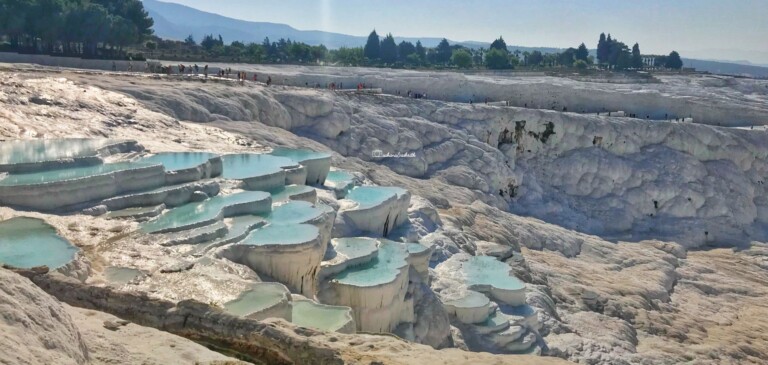
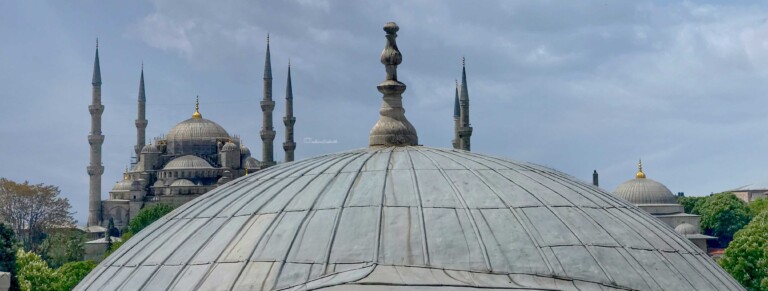
Istanbul, Cappadocia and Pamukkale are the most visited and common places most tourists visit in Turkey.You can visit these in 8 to 10 days. Izmir, Antalya are tourist’s next favourite destination. So you really can plan your Turkey trip with a lot of history, days on the beach and also hiking in the hills if you stay for 15 days
Places to visit in Turkey in 8 days

3. Turkey Travel Cost
You might assume Turkey is cheaper than Greece due to currency value- At least we made that assumption and was shocked later. Turkey travel costs are quite similar to Greece. Public transport, however, is cheaper in Greece.
Tips to save money while travelling in Turkey
- Turkey trip costs you lesser than that of Jordan, because Turkey has better public transport.
- Rural areas are more affordable than cities.
- Renting cycles or mopeds is very affordable in Turkey.
- Opt for accommodations away from tourist spots to save money and use public transport.
- Taxis charge around 10-20 Lira per kilometer, with a minimum of 50-60 Lira.
- Turkish breakfast typically costs 25-40 Lira (in 2018).
- After a big Turkish breakfast, people usually go for simple snacks like Simit or Kumpir.
If you’ve got a shopaholic streak or even a hint of it in your DNA, better budget some extra cash. Istanbul’s Grand Bazaar is seriously tempting. We went inside the Grand Bazar, got completely mesmerised, stepped out, sat on a bench to tally up how much shopping we could afford, and then went right back in – Else we would have gone bankrupt with my obsession for handicrafts.
Read our post “Guide to shopping in Turkey” as part of our Travel Guide that shows you why shopping in Turkey is irresistible.
Turkey Trip Cost
- In 2018 May, our daily expenses in Turkey averaged around 700 Liras/person/ day for a mid-range experience. You can easily keep 800 Liras for the same now if you travel in offseason like we did.
- This covered AirBnB, three meals from budget spots, monument entries, and local transport.
- Excludes international/domestic flights and shopping.
- The Turkey trip cost will be almost 40% more than what we spent in May.

Finding Accommodations in Turkey
Turkey has long been open to tourism, offering a wide range of accommodations and amenities. It’s a magnet for backpackers, so the hostel culture thrives there. In 2018, Airbnb was a popular and budget-friendly choice for us during our Turkey trip. However, based on stories I’ve heard from friends and fellow travelers about their scary experiences, I don’t recommend Airbnb to anyone anywhere.
Where to book accommodations?
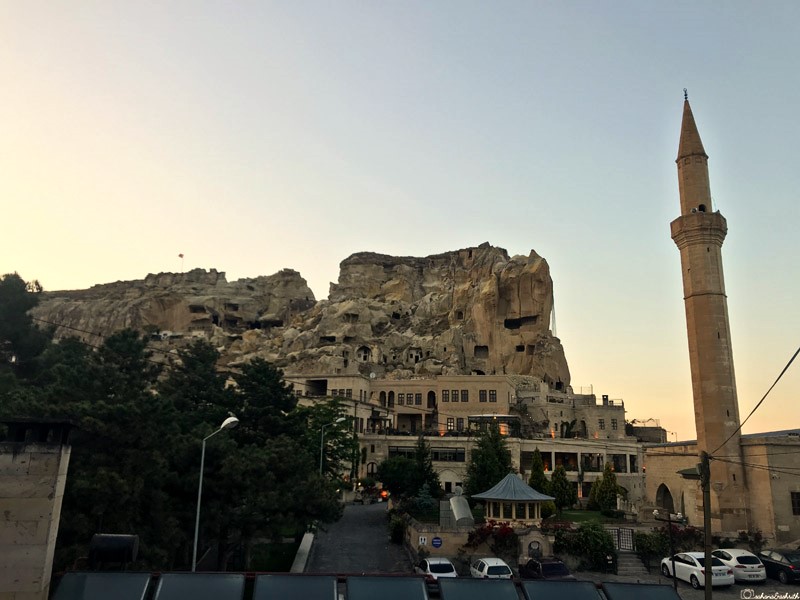
Consider opting for homestays and hostels listed on platforms like booking.com. Homestays, especially away from tourist hotspots, are plentiful in Turkey and are my favorite choice. Each area in Turkey offers distinctive accommodations; for example, Cappadocia is known for its cave hotels.
Heads Up : Booking accommodation via Booking.com is possible outside Turkey, but accessing the site or app within the country has been banned since 2017. To communicate with hosts or use Booking.com, you must use a VPN due to these restrictions.
4. Booking Tickets for Activities in Turkey
Turkey boasts a fascinating history that’s best explored with a knowledgeable guide. I suggest Guru walks?they’re free tours where you can pay what you like afterward.
It’s essential to book tickets ahead for attractions like Hagia Sophia or Ephesus in Selcuk to skip long lines?Hagia Sophia’s queue can stretch up to 100 meters! For Turkish Hamams, there’s usually no need to pre-book; you can simply walk in and pay at the entrance.
Booking tickets online at least two days in advance is crucial for shows like Whirling Dervish or Belly dance. As for the famous Hot Air Balloon rides in Cappadocia, they sell out quickly, so make sure to secure your spot at least 15 days beforehand.

5. Preparing for Your Trip
Turkey Tourist Visa
Getting a tourist visa for Turkey isn’t a big deal if you have a valid passport. Over 50 nations can get an E-Visa, but developing countries like India might need to meet some extra criteria to be eligible for the Turkiye e-Visa.
Check on iVisa for more info and go ahead applying through them if you need one – They are kind of visa whisperers who helps you get it perfectly!
Read our post “Getting Turkey Tourist Visa – Things to Know While Applying” to know things in detail.
Air Connectivity
Turkey has got loads of airports, around 56 of them, spread across the country. You’ve got big ones at Ankara Airport, Antalya and Izmir. The most important of all are in Istanbul -two major airports: Istanbul Airport (IST) and Sabiha Gökçen International Airport (SAW).
Turkish Airlines, a big player in the airline scene calls Istanbul’s Ataturk airport home, offering flights from almost every corner of the world to Istanbul. But you’re not limited to coming and going solely through Istanbul. You can depart from Izmir to Athens or Antalya to Frankfurt. Check Skyscanner to find the best connectivity options.
Turkey has removed all COVID-19 entry restrictions, making it accessible without the need for a COVID-19 test or vaccination proof. Despite the February 2023 earthquake, Turkey is steadily recovering. They’re reconstructing infrastructure, and their official website states that most areas are now safe for visits.
Domestic Flights in Turkey
Turkey, among the world’s 40 largest countries, teems with history from the Paleolithic era, snowy peaks, and a captivating Black Sea coastline. For a short 10-day visit to Turkey, consider domestic flights instead of relying solely on trains. AnadoluJet and Pegasus Airlines are standout domestic carriers in Turkey.
Currency
In Turkey, the official currency is the Turkish Lira. Euros are handy for exchange. In some of the cafes of Istanbul, we even paid using Euros. So having Euros in hands can take you a long way when you travel in Turkey. Airport kiosks offer exchange but with not-so-great rates. Avoid exchanging money at downtown markets and the Grand Bazaar due to counterfeit risks.
In smaller towns like Cappadocia, there are limited exchange shops with less favorable rates compared to Istanbul. It’s wiser to exchange money in big cities before heading to smaller towns.
Card Payments
Majority of international bank cards work well in hotels and restaurants. However, in rural areas with limited ATMs, carrying ample cash is wise. Some shopkeepers might decline card payments or apply extra charges. In Denizli, cash is often preferred by drivers over card payments.

6. Getting Around Turkey
Roads and Driving
Turks drive on the right-hand side of the road. They don’t strictly follow traffic rules like Austrians, nor are they as chaotic as Egyptians or Indians. They’re somewhere in between. Highways have a lot of lorries and can be a bit reckless. Buses and minibuses also drive similarly. Honking isn’t frequent, but it happens! So, traffic in Turkey is neither total chaos nor a breeze.
Car and Bike rentals in Turkey
Car rental in Turkey is easy, but with great public transport, you better skip it unless you are totally on an off beaten path. Yet, in rural spots like Cappadocia, Ephesus, and Åžirince, a bike works well. Bus tours miss some lovely spots, so daily bike rental is smart. These areas typically provide bike rentals downtown. Bring your valid driver’s license (in English) and a few copies for vehicle rentals.
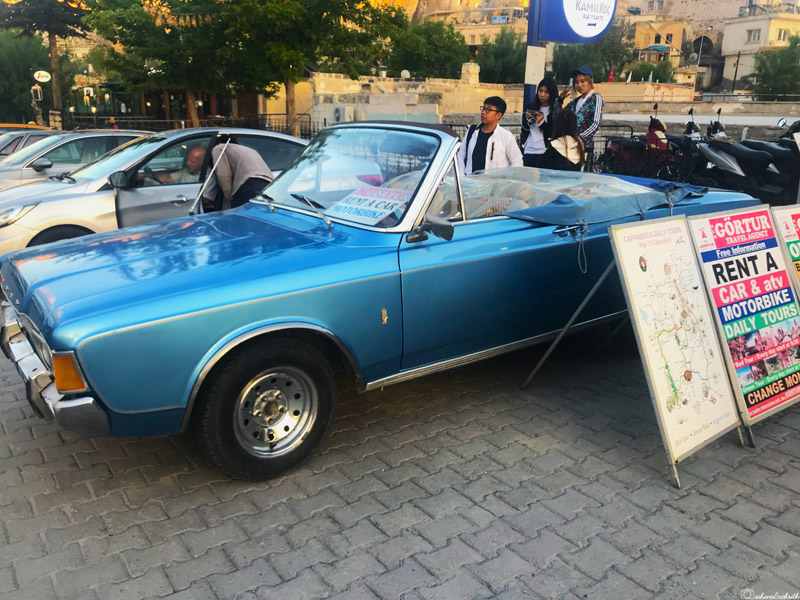
Heads up: Many places offer vintage cars for photoshoots! Whether it’s for a wedding or a casual shoot, Turkey is full of scenic spots where you can find a vintage car for that perfect shot.
Public Transport Overview
Turkey’s public transport is incredibly efficient. Opting for shuttle buses from airports instead of private taxis saved us a lot of money and was super convenient. Booking trains and night buses during the non-tourist season is hassle-free. Utilize public transport whenever you can; whether it’s a tram in Istanbul or a night bus between cities, it’s super efficient and budget-friendly.
Some of the options in Turkey’s public transport are :
- Trains
- Buses
- Metro
- Trams
- Cruise
- Ferries
Tips to Travel in Turkey buy Train
Turkey’s extensive railway lines are operated by TCDD. Turkey’s High-Speed Trains (YHT), similar to Japan’s Bullet trains, are fantastic for traveling between cities. Regional trains connect smaller towns, and feeder buses link the railway stations to the town centers.
Although you can purchase train tickets a day in advance at train stations, consider using the TCDD website for online bookings. Turkish trains open reservations 30 days before some departures and 15 days ahead for others. If you look too far ahead, trains might not appear.

Eurail Pass for Turkey
Many travelers believe the Eurail pass allows unlimited travel across Europe on public transport, but it doesn’t cover all public transport.
Train tickets in Turkey are cheaper if you buy them as you go. Since many folks use various transport options?like buses and ferries?a rail pass might not save you cash for a Turkey-only trip. The eurail pass is worthy if only you are on a long trip across Europe for about 3 months and your European train journey ends or starts in Turkey , a Eurail pass for Turkey may be worth it as the international train connections are limited in Turkey.

Public buses
More than trains, buses are the soul of Turkey’s public transport. They are comfortable and affordable. Local buses, also known as city buses, are generally operated by government organizations, while long-haul and night buses are operated by private agencies.
We Traveled by night bus from Cappadocia-Pamukkale. With well-maintained roads and clean buses, the journey was very breeze. The buses give multiple breaks to use the washrooms. During breaks, the bus manager pushes a trolley of snacks and coffee. It was the first and last time I ever saw this on a bus! Pre-booking isn’t usually necessary during the non-tourist season.
While boarding local buses in Turkey, use the front doors and validate your ride by tapping your transit card on the validation machine or buying a single-use ticket from the driver.
In peak seasons, it’s wise to pre-book your bus tickets online via Bookaway.
Metro and Trams
Many cities like Istanbul, Ankara, and Izmir boast super-efficient metro systems.
City metro lines link residential, commercial, and tourist hubs, accessible to all. Every city boasts distinct routes and schedules. Check out their ticketing options, including single ride tokens, rechargeable cards, and discounted passes, catering to various needs.

In Istanbul trams cover a huge area and it is a fun ways to get around the city. Printed maps provide precise tram station locations. Remember to purchase the Metro/Tram card at specific stations; they’re not available at every stop.
Ferries and Cruise
Turkey’s coastal borders make ships and yachts popular for travel. Turkish ports welcome cruise ships and shore excursions due to their historical relevance.
Luxury travelers often favor cruising, especially on routes like Greece-Turkey, notorious for their expense. Consider ferries for travel from Istanbul, Izmir, or other beach towns. In Istanbul, opt for a Bosphorus cruise or other island visits. However, I’m not a fan of cruise travel personally, as it often means more time with tourists than locals.
Tips on using Taxi in Turkey
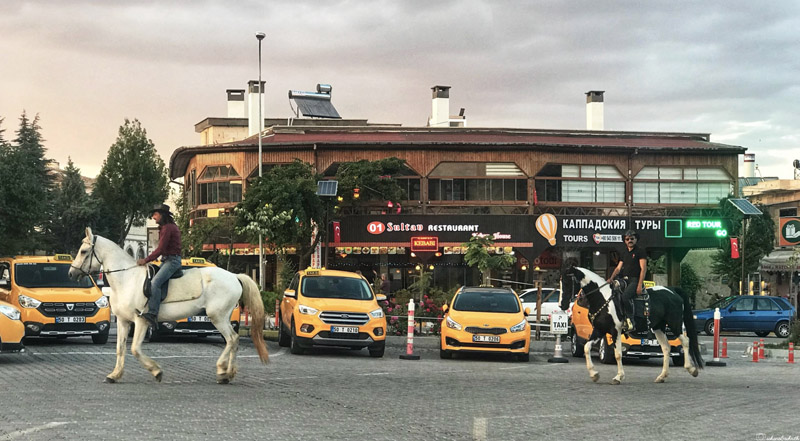
In big cities, taxis are common, and you can book them via the “iTaksi” app. In smaller towns, your host can help arrange taxis. Or take shared taxis from hotels to the train station or airport to save more money.
7. Practical Travel Tips for Turkey
Mobile SIM and Connectivity
We bought two Vodafone SIM cards at the airport. The internet speed and coverage were good even in remote places of Cappadocia. The wifi speed was good in all the BnBs.
Plug Sockets and Adapters
The type of plugs and sockets found in Turkey are Type F (like in Europe). Check if your country needs a plug adapter here. I carry a universal adapter.
Tipping Culture
In Turkey, tipping isn’t a big deal, but some locals might expect a little something from tourists. Remember, tipping isn’t mandatory at all. If you ask for help or directions from locals on the street, they won’t be expecting a tip either way.
8. Essential Information
Language Spoken in Turkey
The national language is Turkish, using the Latin alphabet similar to English but with different syllables. Signboards are both in Turkish and English. It’s like I could read Turkish easily, yet finding the pronunciation tricky.
The Turkish language has no connection to Arabic or Persian. You can chat with shopkeepers at the Grand Bazaar in English, but not everywhere else. Managing in English isn’t super hard or easy. And you’ll bump into Turks who speak German (like our host Ali in Istanbul) and French more than English in big cities.

People and Culture
Despite 98% of Turks being Muslim, it’s not uncommon to find Jesus statues in their homes. Turkey is officially secular, without an official religion.Yet, there’s a rising religious fundamentalism, supported by certain Islamic states and pro-Islamist governments. In 2020, two Byzantine churches-turned-museums became mosques, showing how religion holds importance in Turkey.
But, Turkish women don’t typically wear burqas. Instead, you’ll often spot them in skinny jeans and T-shirts. A few wears a Hijab and others don’t.

Are Turkish people friendly?
In Turkey, don’t expect a smile or a greeting in return from strangers. It’s not that they’re rude, just less openly friendly than some other Middle Eastern countries. Majority encounters with friendly strangers involve sales pitches. Engaging with older locals is often easier; they love sharing about their culture and customs, and they’re curious about yours too.
Turks love cinema and are fond of Indian soap opera! We were asked twice why our dresses aren’t as dramatic as they show in our cinemas!
Read our post “15 Amazing Movie and Series Filming Locations to Visit Worldwide” to know about famous filmed in Turkey – Trust me you will enjoy this story as a detour from our regular Turkey travel guide
Racism in Turkey
Turks might not favor us brown folks much, but it’s not fair to call them outright racists. We had a mixed bag of experiences – some warm welcomes, but in other places, we felt like unwanted guests.
- The Cappadocia hotel owner was really rude, saying we shouldn’t have booked his place – Because we weren’t whites.
- On the flip side, Ali from the Istanbul BnB took care of Ashrith when he got sick, giving me tea and dinner, and even offered to take us to his family doctor.
- The hot-air balloon orgainiser pushed for a hefty tip and got annoyed when we offered less, muttering something in Turkish. He said “Indians never tip”.
- An Istanbul shoe polisher scammed us while we tried to help him, but another Turk later aided us by letting us use his tram card to get to the tram.
Everywhere you go, you’ll find all sorts of people. I can surely say, the racism in Turkey isn’t as bad as Bavaria. But it does exist evidently.

A few Turkish Customs Every Tourist Should Know
- In Turkey, people usually don’t eat while walking; they prefer to sit or stand while eating before moving on.
- Turning down offered tea can be seen as rude, even in places like the Grand Bazaar shops. If you don’t want tea, you’ll need to politely explain why – I needed time to find a way to say no to their tea offending Turks.
- Hosts tend to refill any empty glass they notice.
- When declining something, it’s common to place your hand on your heart – that’s how Turks typically refuse.
- PDA isn’t a big deal in big cities, but Turkish couples typically don’t kiss in public, so it’s better to avoid it.
- Bargaining is a part of a Turk’s daily life. Haggle for your price everywhere possible, politely.
How to dress in Turkey?
No matter if it’s a small town near Denizli or the city of Istanbul, you’ll find local Turks dressed impeccably! Old men sport suits almost every day. In fact, Turkish men are the most handsome of all others I have ever seen!
Women in hijabs pay attention to ensuring their scarf is as stylish as their denim and tops. Those without a hijab make sure they’re almost runway-ready – the same goes for men. Makeup is common, and in a Turkish crowd, you’ll catch a lot of perfume fragrances.
In Turkey, you dress super chic without showing too much skin. Keep it classy while traveling there. Also, there are certain rules for both men and women when entering mosques.
Read our post “What to wear in Turkey as a tourist-Packing and Clothing Tips” to know more and pack wisely

Safety Concerns in In Turkey
If you are following the media regularly, Turkey is infamous after 2019. The outbreak of war with Armenia, converting Hagia Sophia from a museum into a Mosque, and converting multiple Armenian churches to mosques are the latest infamous truths about Turkey. In 2018, when we visited, Turkey wasn’t as infamous. Political and religious conflicts seemed less intense then.
Lost in Istanbul’s hardware-lined streets devoid of visitors, exploring tourist-free spots in Cappadocia among fairy chimneys, navigating late-night walks in Pamukkale, and enduring a six-hour wait at Sabya Gochen Airport?all without feeling threatened even once!
Turkey’s safety isn’t defined just by the 2023 earthquake. Such events can happen anywhere and don’t reflect overall safety. To stay safer, avoid border areas near Syria, Iraq, and Armenia. Stay informed about local events for a trouble-free trip.
Tourist Scams in Turkey
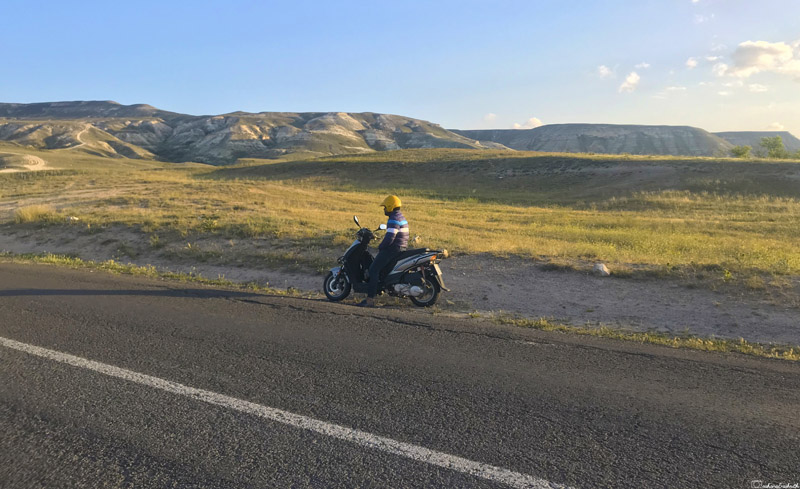
In our personal experience, Turkey stands as a stop contender with scammers with Greece and India. We managed to avoid many in Turkey, but here are three scams we personally encountered:
- Shoe Polisher Scam: Shoe polishing is a common routine for Turkish men. These shoe polishers deceive tourists by dropping their brush and insisting on polishing your footwear, even if it’s sandals, after you kindly return it to them. Despite declining the service, they then demanded about 20 Lira, claiming poverty and my kindness – They polished my flip-flops forcibly. So don’t by sympathetic towards shoe polisher who drops their brush.
- Shop Owner Trickery: Friendly locals offer to click your picture. But later pushes visits to their shops – I and Ashrith were taken away by a carpet shop owner only to waste an hour in his shop.
- Older women asking for money to go to the hospital who will use your money to grab a kebab or cigarettes later.

Other Scams to Beware of are fake gems at Grand Bazaar, counterfeit carpets, taxi and bike rental scams in Cappadocia. If possible, have your host arrange transportation to avoid random taxi scams.
9. Amenities
Public Toilet in Turkey
All the hotels and BnBs we stayed in had Western-style toilets with a jet spray and toilet paper. Yet, most public toilets in different places had squat toilets. Using public toilets isn’t as expensive as in the Netherlands or Belgium. For example, at a bus station toilet on our way from Cappadocia to Pamukkale, the fee was just 2 Lira.
Truthfully, I didn’t encounter a single dirty toilet, not even among the public ones in the busiest tourist spots.
Public Hygiene
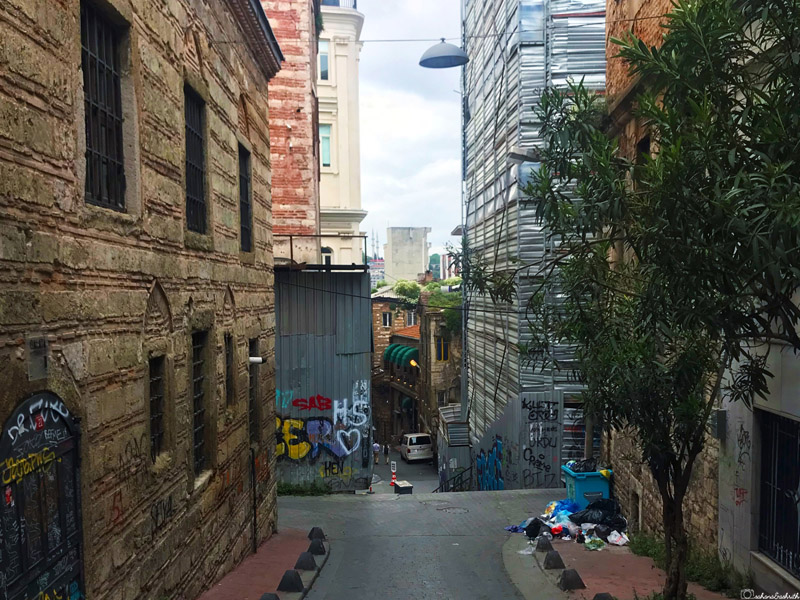
Our host Ali in Istanbul mentioned the Turkish obsession with house cleanliness and lengthy showers. Is that why Turkish Hamams are so popular? Speaking of streets, tourist areas in Istanbul are impeccably clean, but side alleys can be a bit unkempt with overflowing garbage bins. You don’t see men peeing on the streets in Turkey, despite its French influence.
Street cats are ubiquitous in Turkey; Turks adore cats, and dogs are uncommon! While Ali discussed navigating old Istanbul, he cautioned us, “Avoid petting stray cats to steer clear of allergies and infections they may cause.”
Drinking Tap Water in Turkey
Ali assured us that tap water is safe in major cities like Istanbul and Ankara. Locals advise buying bottled water in smaller towns and sticking to tap water in larger cities.
10. Food and Alcohol Etiquette
Turkey Cuisine Overview
Turkey’s history and landscape are breathtaking, but their food steals the show! Turkish cuisine is our absolute favorite. Anytime, we’re ready to indulge in Turkish food. Turkish cuisine boasts a blend of Mediterranean, Middle Eastern, Balkan, and Central Asian elements. Olive oil, grains, vegetables, and legumes form the base of many dishes.
Their street food, like Simit, is healthy, affordable, and delicious. They’re masters of many sweets and desserts, such as Baklava and Turkish delights. Their Kayseri cheese magically melts, bringing a contentment when combined with locally grown mushrooms. Their impeccable blending of meat with herbs is truly remarkable.

Tips for Vegetarians visiting Turkey
Turkey is the second best nation after India in terms of vegetarian food.
Veg food in Turkey is plentiful, and you really don’t have to look for Italian and Indian restaurants to get veg food. Not even once, I struggled to get local Turkish veg food. The vegetarian options are much better than in Egypt. Honestly, you won’t struggle even 1% as much as you did trying to find vegetarian food in Japan. Their own food has so much variety starting from Halloumi, falafel wraps to rice with Kusu Fasulye.
Check out our “A Guide to delicious local food in Turkey” to know more
Turkish Tea and Coffee
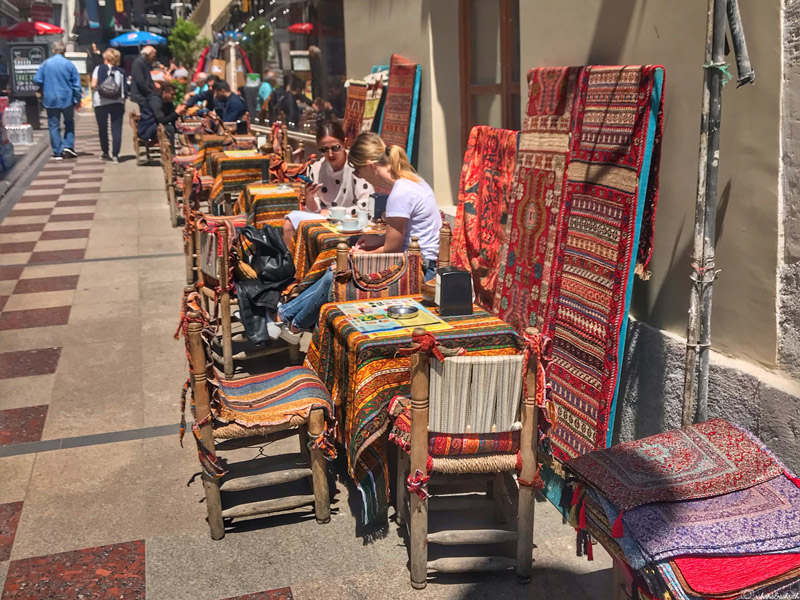
While most nations lean towards one among tea or coffee, Turkey loves both. However, tea is a more important part of their culture. Turkish tea is good; but the cups in which they serve are beautiful. Turks offer tea almost at every shop outside Grand Bazaar when you go shopping. They are not obsessed with tea like Egyptians, but you can find tea vendors with metal kettles and plastic cups in significant tourist spots.
While many adore Turkish coffee,it wasn’t for us- It was too thick and sweet.

Tips for Turkey Drinking Culture
Surprisingly, in Turkey, you’d expect alcohol to be banned, being an Islamic country, but it’s available. Drinking in public is illegal, and only licensed restaurants, bars, and hotels can serve alcohol. Sidewalk cafes don’t sell it. We saw tourists wrapping their beer bottles to hide the label and drink in public. While there’s no official moral policing, these actions might cause trouble.
Smoking in Turkey
Smoking is prohibited in many indoor workplaces and public areas like transport and offices in Turkey, but smoking on the streets is prevalent and quite a lot! Unlike other Islamic nations, it was surprising to witness both men and women smoking openly in Turkey, while hookah was confined to indoor spaces.
Found our Turkey Travel Tips and Guide helpful? Let us know in the comment section below.