
Disclaimer: Some links in this post are affiliate links. If you book through them, we earn a small commission at no extra cost to you. See our Privacy Policy for details.
5 Best Things to do on a Kamakura Day Trip from Tokyo
Japan’s got a bit of everything—crazy cool cities, peaceful shrines, and gorgeous nature. We spent three and a half week there, trying to soak it all in!
Don’t get me wrong, Tokyo’s hustle is amazing, and we loved our week there. But, coming from a small hillside town in India, we are always drawn to quieter places.
If you’re feeling the same and craving a quieter escapade , a Kamakura day trip is just what you need!
In this guide, I’ll make planning super easy—what to do, how to get there, and the costs—so you can enjoy a stress-free day trip from Tokyo without overthinking.

What to See in Kamakura in One Day?
Kamakura might be a chill coastal town now, but back in the day, it was where all the action happened. It was Japan’s capital during the 12th century when the samurais ran the show
It played a crucial role in Japan’s history during the Kamakura period when it was the nation’s political centre.

Even though it’s quieter today, Kamakura still holds onto its old-school charm with temples, beaches, and stunning ocean views.
If you’re looking for a relaxing day trip from Tokyo, this town’s got you covered. History, culture, nature—Kamakura packs it all in without the big crowds.
Here’s how you can make the most of your Kamakura day trip with a lot of walking and a scenic train ride. You’ll cover the top spots without any stress.. Ready? Let’s go
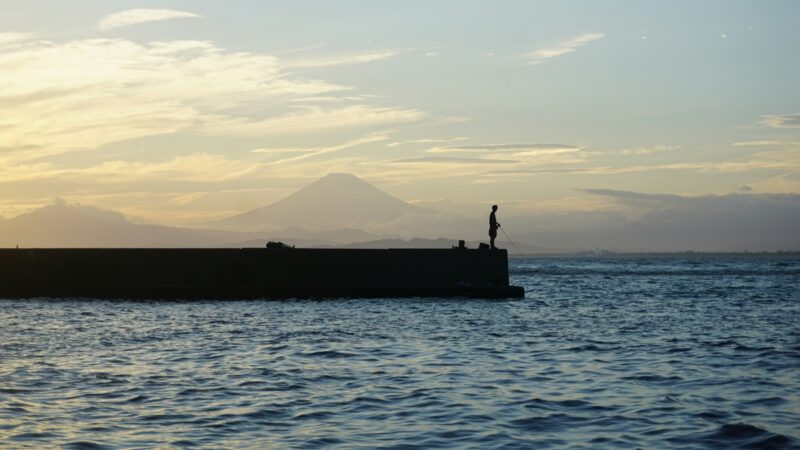
1. Visit Hokoku-ji Bamboo Forest of Kamakura
If you’re visiting Kamakura, the bamboo forest at Hokoku-ji Temple is one spot you shouldn’t miss.
Kyoto is the main hub for temple visits; however, in Kamakura, it’s all about quality over quantity. You can skip some of the other temples here.
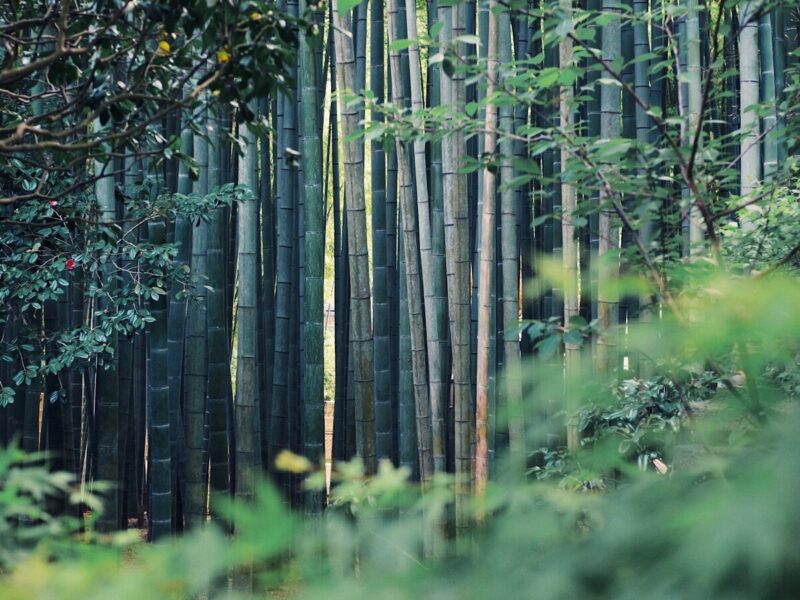
But definitely take a stroll through this bamboo grove in Kamakura at Hokoku-ji—it is less crowded and quite different from the bamboo forest of Arashiyama
The Hokoku-ji bamboo forest is a peaceful, almost mystical place, and some say it’s even connected to the old samurai days.
There’s a legend about warrior spirits still lingering around.
So if you hear rustling in the bushes or catch a glimpse of a mysterious figure, maybe it’s a ninja watching the temple!
There’s also a tea house nestled in the bamboo where you can sip some matcha. It’s a little overpriced, but having a cup of tea surrounded by towering bamboo? Definitely an experience worth trying on your Kamakura day trip.
- Fee: 200 yen
- Hours: 9:00 AM – 4:00 PM
- Spend around 30 minutes walking through the forest and enjoying the tea if you choose to.
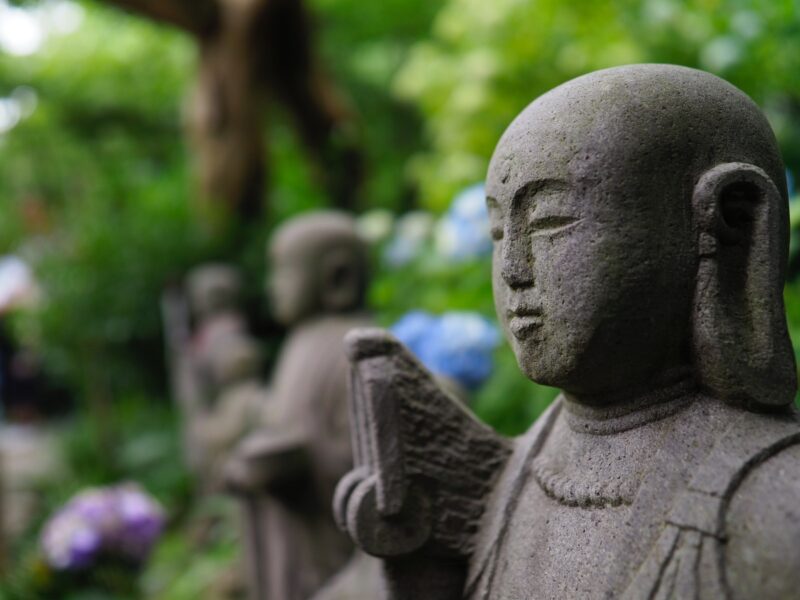
2. Stroll Through Sasuke Tunnel
Now from Hokoku-Ji heads straight for the Big Buddha at Kotuku-in – a 4km walk. Many would grab the local bus that leaves every 30 minutes. But you walk.
The relaxed 2 km walk takes you along a quieter route through Sasuke Tunnel.
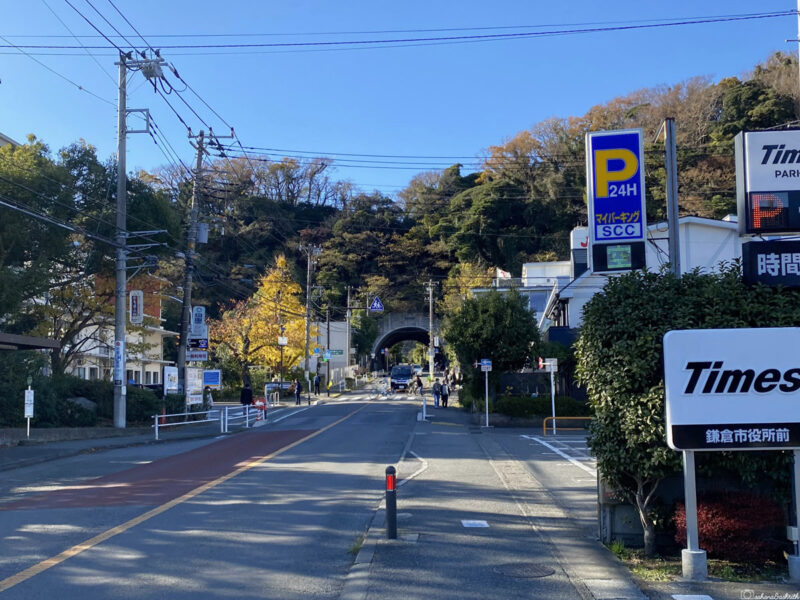
During this easy hike, you’ll experience a transition from the busy temple vibe to a serene and quiet neighbourhood.
It’s like your own little secret path. You’ll pass by local homes, cute cafes, and beautiful gardens. And in December? The autumn colours are next-level stunning.
The walk takes you through peaceful streets lined with trees and beautiful home-run cafes.
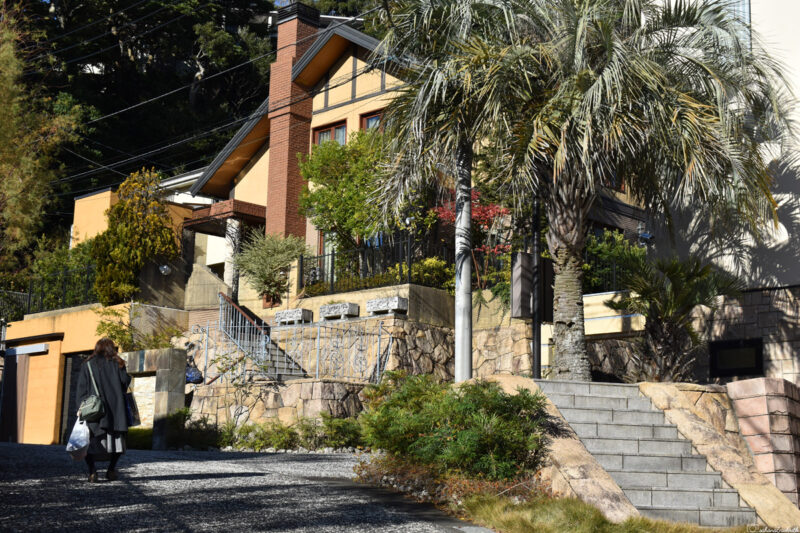
Hardly any tourists take this route, so it might feel like your own secret path!
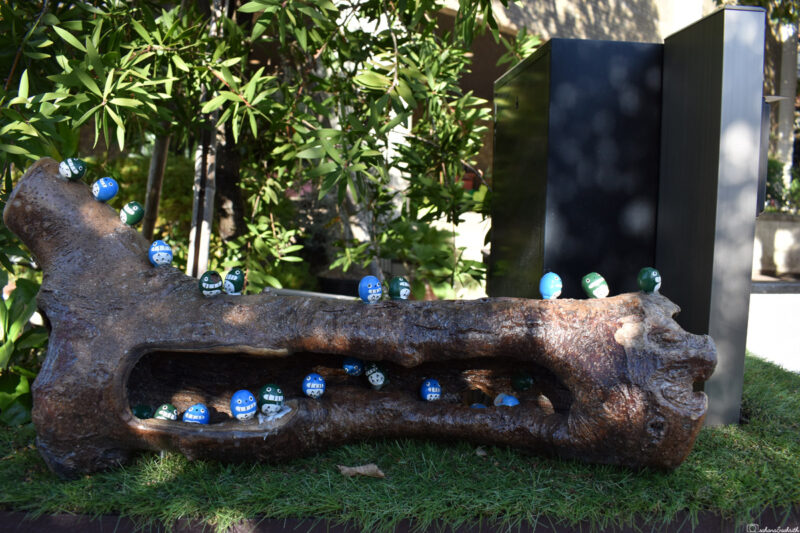
After crossing the tunnel, a left turn will take you into the prettiest neighbourhood of Hase, with its charming Japanese houses and meticulously cared-for home gardens.
The autumn colours in December add even more beauty to this peaceful area.
3. Kotoku-in: Great Buddha Statue
If you’re doing a Kamakura day trip, you’ve got to check out the Great Buddha of Kamakura at Kotoku-in.
This massive 13-metre bronze Buddha, known as Daibutsu, is the second tallest in Japan (the one in Nara is taller, but, this one’s outdoors!).
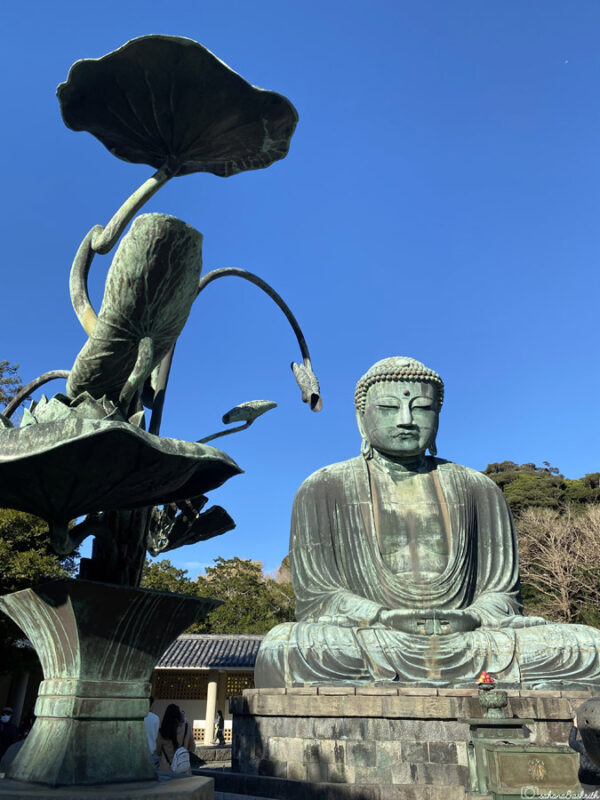
Standing next to the Great Buddha, you’ll feel tiny in comparison, as it towers almost 7.8 times an average human height which is 1.65m!
The Buddha’s been through a lot—earthquakes, tsunamis, even a World War—and yet it’s still standing there with this relaxed, gentle smile like, “Don’t worry, I’ve got this.”
There’s something about seeing it outside, surrounded by trees, that makes it feel so calm and peaceful.
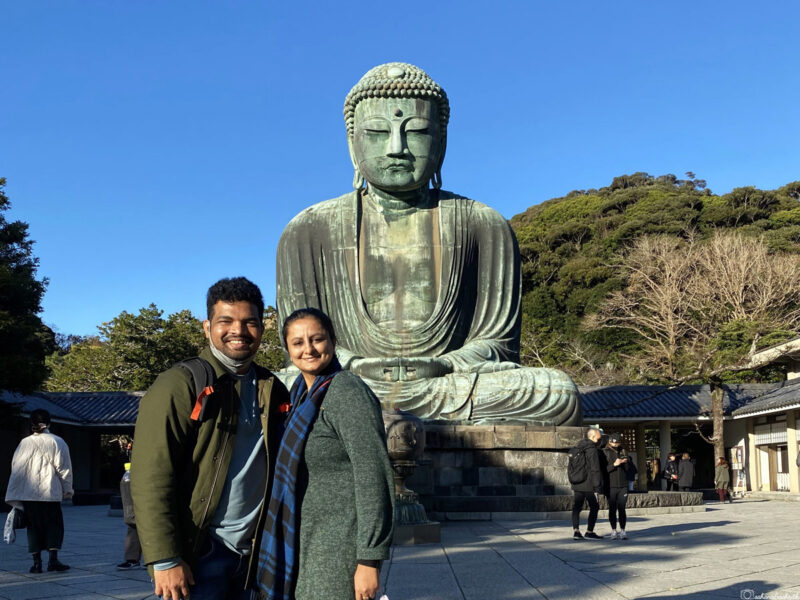
Whether you’re into spiritual stuff or not, it’s hard not to feel something when you’re there.
Apart from the Big Buddha (Daibutsu) , what I loved the most about Kotoku-in was watching the monks and devotees.
The way they light their incense sticks with such precision and line up for their goshuin is something special.
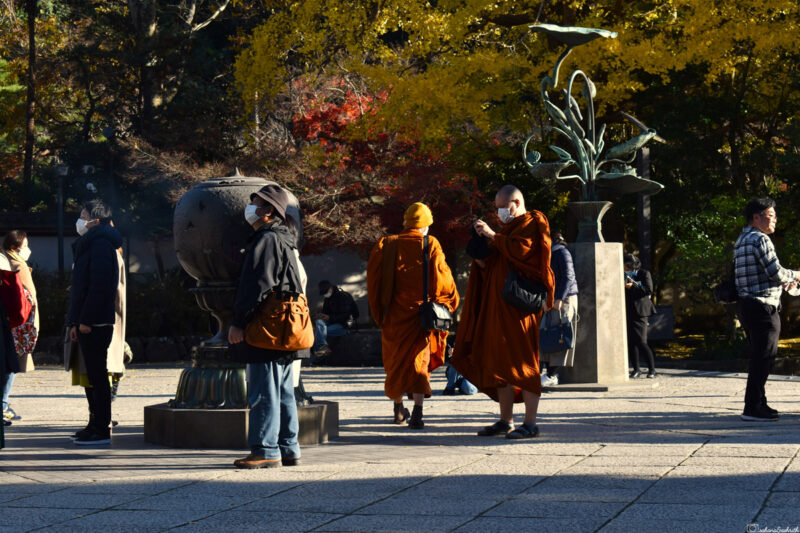
For those who don’t know, a goshuin is a unique stamp given at temples and shrines, written beautifully in a goshuincho—a book where you collect these little pieces of art. Each stamp is different, making it a one-of-a-kind keepsake.
The experience was even more magical with the chill December breeze, plenty of sunshine, and the last autumn leaves falling, decorating the stone pathways in vibrant colours.
- Kamakura Daibutsu Entrance Fee: 300 yen (adults)
- Hours: 8:00 AM – 5:00PM, check the timings before you go, as they change with the season
- Spend about 45 minutes to 1 hour

4. Walk and Relax on Shoreline at Kamakura Seaside Park
Need a break from sightseeing in Kamakura? Head to one of the the best beaches in Kamakura – either Shichirigahama or Kamakura Seaside Park.
Grab a snack from one of the many food stalls (I’m talking ice cream or a hot roll), then just sit back and soak in the sea breeze.

In summer, you might even dip your toes in, but in winter, it’s all about watching surfers brave the waves.
Time flew by as we watched surfers take on the cold waves, and the ocean looked stunning.
When we visited in December, the high tide and chilly air kept us out of the water, but sitting by the shore was still pretty amazing.
If you’re lucky, you’ll even spot Mount Fuji in the distance. Honestly, this is the perfect spot to relax and recharge.

December is one of the best months to get a clear view of Mount Fuji from here. Seeing Mount Fuji behind the ocean is truly something special.
It’s different from seeing it by the lakes in Fujigoko or behind a pagoda, like at Chureito Pagoda.
Honestly, sitting by the beach doesn’t have a set timeline! If you’ve got some food and good company, you could easily sit by the shore or walk for hours.
But since you’re spending only one day in Kamakura and exploring the place by foot mainly, allowing an hour to rest your feet at this ideal beach is a great way to relax and recharge.
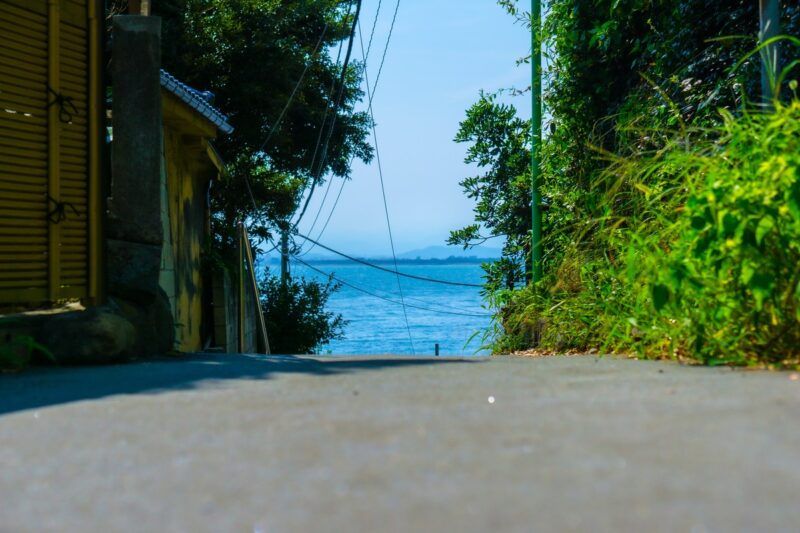
5. Take the Enoden Line to Kamakura Kokomae Station
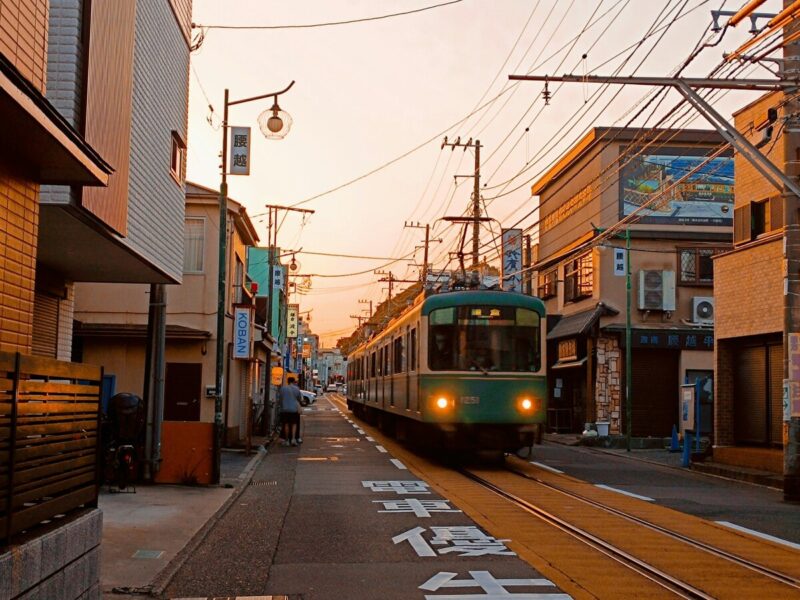
Japan has a way of making everything adorable—yes, even the trains!
The green Kamakura train “Enoden Line” is no exception. But the best part about this ride isn’t just the train itself—it’s the view.
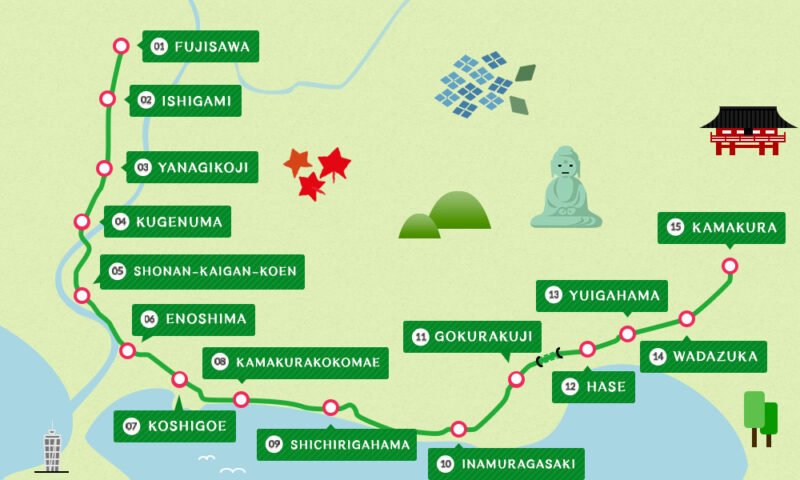
It starts from Fujisawa and ends at Kamakura.
The 20-minute train ride from Hase Station to Kamakura Kokomae Station runs right along the coastline, and the scenery is just amazing.
When you get to Kamakura Kokomae Station, it honestly feels like you’ve stepped into a movie scene.
Spending time at Kokomae Station by the ocean side, with its traditional vibe of sloping roofs and wooden beams, is one of the best things to do in Kamakura.
Because, on one side, there’s a cute neighbourhood, and on the other, you get this perfect view of the Pacific Ocean and Enoshima Island. It’s especially stunning during sunset.
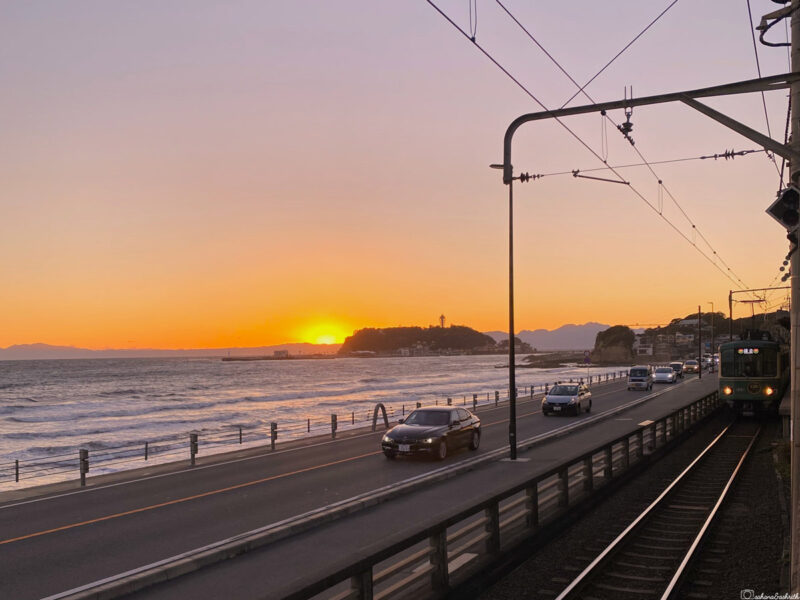
If you walk 150m towards the opposite side you will hit the most famous spot of Kamakura “Koshigoe Rakko Park”
This spot, where an asphalt downhill road meets the railway track next to the coast, is popular with kimono tourists, real photographers, amateur photographers like us.
You usually see people wearing kimonos in temple-filled towns like Nara or Nagano up north.
But you’ll also spot girls dressed in kimonos here, striking a pose in front of the Enoden trains!
Plus, let’s not forget the Kamakura anime spot “Koshigoe Rakko Park” – It’s like a pilgrimage for anime fans.

Koshigoe Rakko Park is famous for its appearance in the anime Slam Dunk, and many even call it the ‘Slam Dunk Station.’ You’ll often see people recreating scenes from the show here.
We ended up hanging around for over three hours, just watching the trains come and go while the sun went down.
If you’re wondering, “Is Kamakura worth visiting?”, this spot alone can answer that—who knew just watching a train pass by could be a highlight and a reason to visit Kamakura?
How do you get to Kamakura?
Tokyo to Kamakura
Kamakura, located in Kanagawa prefecture is 70km from Tokyo and is best reached by train.
There are three main ways to get from Tokyo to Kamakura by train.
Kamakura Tours you can book.
We’re all about exploring on our own and we did our Kamakura adventure by ourselves. But if you decide last minute to visit Kamakura and don’t have time to plan, no worries!
You can always jump on one of those organised Kamakura tours from Tokyo.
The trips typically last around 10 hours, with pick-up and drop-off sorted, and cover all the main highlights—super convenient
Can you use Suica to get to Kamakura?
Yes, you can use a Suica card for trains to Kamakura on JR lines and the Enoden line.
Can I use a JR pass from Tokyo to Kamakura?
Yes, the JR Pass can be used on the JR Yokosuka and JR Shonan Shinjuku Line Line. However, it’s not worth buying the pass just for this trip.
If you’re planning other long-distance trips, our post on calculating the value of a JR Pass can help you decide.

How To Get from Kyoto to Kamakura
Kyoto to Kamakura is around 420km, so it’s not the most convenient route to travel directly. If you still want to go, the easiest option is a direct overnight highway bus.
Trains are available, but they require multiple transfers and aren’t very frequent. It’s best to check the Japan Transit Planner for train and bus schedules.
How to get from Kamakura to Hakone
The best way to get from Hakone to Kamakura is by Odakyu Railways. The total journey takes around 1 hour 45 minutes.
Take the Odakyu Limited Express “Romancecar” from Hakone-Yumoto Station to Fujisawa Station (about 70 minutes), then transfer to the Enoden Line for a scenic 35-minute ride to Kamakura Station.

If you’re just making a day trip from Hakone, it’s better to buy individual tickets instead of the Hakone Kamakura Pass (which costs about 7,500 yen and is valid for 3 days).
The pass is only worth it if you’re staying in the area for more than 2 days.
Getting Around Kamakura
Kamakura isn’t huge—Tokyo’s about 50 times bigger. So you can easily explore most of the tourist spots by foot or bike.
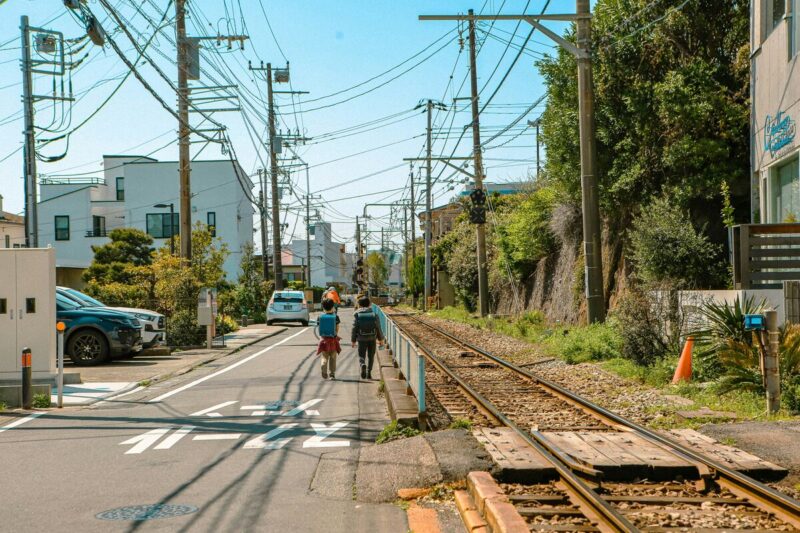
You’ll end up walking by the shoreline a lot, and honestly, there’s nothing better than that!
At all costs, avoid renting cars – The streets are narrower and we saw slow moving traffic when we went.
If you’re looking to rent a bike, the best spot is at Kamakura Station—super convenient to grab one from there.

Kamakura Travel Tips for First Timers
When should I go to Kamakura?
While Japan is famous for cherry blossoms in March to May, Kamakura is at its best from September to December when the crowds are smaller, and the streets are dotted with autumn foliage.
During winter, you might see snow on the Buddha statue’s head, though heavy snowfall could disrupt public transport.

How long to stay in Kamakura, Japan?
Kamakura is only an hour from Tokyo, making it an easy day trip. If you’re in Japan for a a trip less than 15 days, one day is enough to see the highlights.
We spent 3 weeks in Japan – And a day in Kamakura was right for us.
If you’re staying in Japan for a month, spending two to three days in Kamakura allows time for cycling, surfing, and a visit to Enoshima Island.
Which is the best neighbourhood to stay in Kamakura
Unlike Tokyo, where you need to hunt for cheaper neighbourhoods, or Kyoto, where finding affordable areas can be a task, you don’t have to stress much about where to stay in Kamakura.
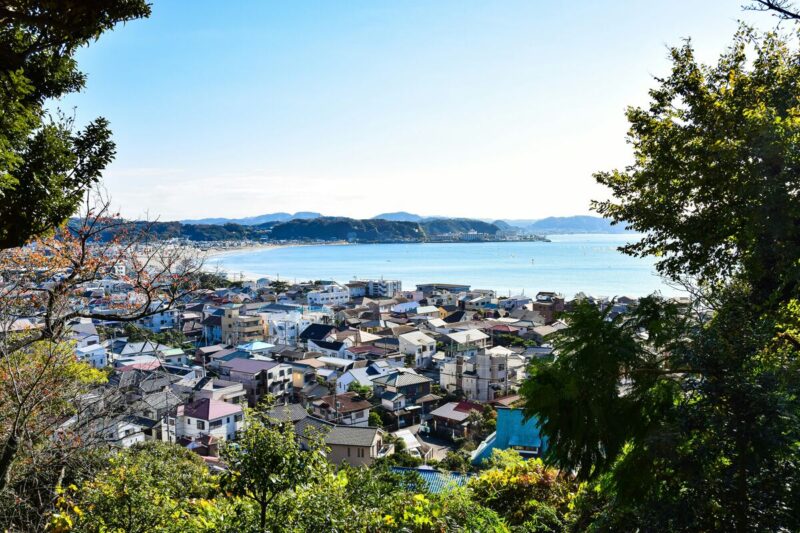
Overall, Kamakura is a more affordable destination.
Of course, since it’s a seaside town, accommodations with ocean views or on the shore will cost more, but in general, Kamakura has budget-friendly options without much cost.
Kamakura got lots of hostels, hostels with private rooms more – It is indeed surfer’s paradise. So, don’t expect traditional ryokans or trendy capsule hotels in Kamakura.
Best accommodations for travellers in Kamakura

How to dress for Kamakura weather?
Kamakura is generally cooler than Tokyo but can be humid. In summer, wear light, breathable outfits, but cover your shoulders and knees when visiting temples like the Big Buddha.
In winter, dress in layers. I visited in December, and while the sun was bright, the ocean breeze was cold. It’s not as cold as the apple orchard town Nagano or villages at the foothill of Mount Fuji, but you’ll still need warm layers.
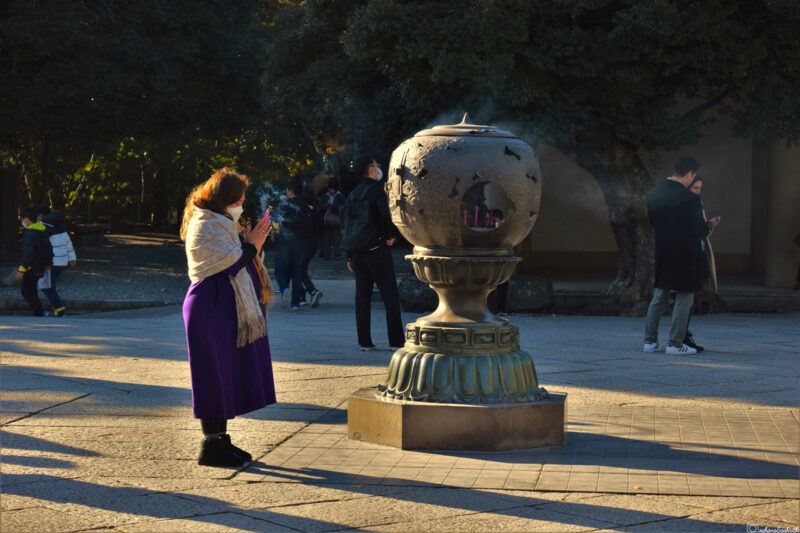
How to Avoid Crowds at Kamakura
Kamakura isn’t as touristy as other popular Japanese destinations, but to avoid any crowds, aim to arrive by 9:00 am and stay until 7:00 pm when the evening trains are less busy.
Most temples and shrines close between 4:00 and 5:00 pm, so plan accordingly.

Where to go next from Kamakura?
From Kamakura, it’s best to head to nearby beautiful spots like Fujigoko (Mount Fuji’s Five Lakes area) to see the mountain up close, or go to Hakone, a green paradise known for its lakes and stunning Pampas grass fields.
Food and Drinks
What Food is Kamakura Known For?
Now, let’s talk food! Kamakura’s seafood game is strong, especially the local favourite—Shirasu Don (tiny whitebait fish).
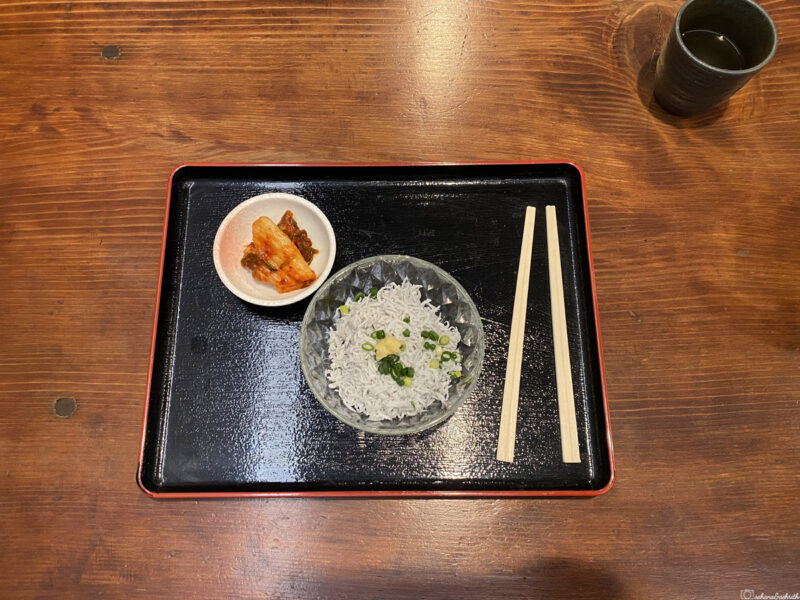
I tried it at Restaurant Kota, and it was delicious, light yet very satisfying- Surely Shirasu Don is the best food in Kamakura
My vegetarian wife had a tougher time finding options typical to Japan, but she had her usuals the veggie sandwiches from 7/11.
You can splurge on Shojin Ryori (Buddhist vegetarian cuisine) at Hachinoki in Kita Kamakura, or keep it simple with tasty sandwiches from 7/11, like my wife did.
If you’ve got a sweet tooth, grab the famous Hato Sablee dove-shaped cookies at Toshimaya Honten Cafe near the station—totally worth it for the train ride home
Of course, the usual traditional sweets like wagashi and street food such as rice dumplings exist – which you will get in any other parts of Japan.
Best places to eat in Kamakura Japan
Kamakura Day Trip from Tokyo Cost
A day trip to Kamakura from Tokyo costs roughly 6,800 to 7,500 yen per person. This includes round-trip train travel, walking around, one train ride from Kamakura to Kamakura Kokomae Station, two meals in Kamakura, and visits to a few monuments.
- Transportation (JR Yokosuka Line – Round Trip) : 1900 yen two way/person
- Entrance Fees : 500 to 600 yen / person
- 2 Meals : 4400 yen / person
- Enoshima Electric Railway from Kamakura to Kamakura Kokomae Station: 300 yen per person

FAQ
How much is the bullet train from Tokyo to Kamakura?
There is no bullet train from Tokyo to Kamakura. The JR Yokosuka Line costs around 950 yen for a one-way trip and takes about an hour.
Is Kamakura worth visiting?
Absolutely! Kamakura is a perfect spot for a short vacation, especially if you’re coming from Tokyo. It gives a perfect blend of historical monuments, peaceful scenery, and coastal charm.
Is Kamakura Similar to Nikko?
Kamakura and Nikko are both rich in history, but Kamakura’s coastal setting and quieter vibe make it distinct from the mountain town of Nikko.
Which is better, Kawagoe or Kamakura?
I’ve visited both, and each has its own charm. Kawaguchi is a small lake town with views of Mount Fuji from almost everywhere, great for all types of travellers, including cyclists. Kamakura is a seaside town loved by surfers and history buffs. It really depends on what you’re after!
Can I see Mt Fuji from Kamakura with foreground of beach?
Yes! Mount Fuji is visible from main beaches of Kamakura such as Kyorugi cape, Kotsubo Seaside Park and Shichirigahama Beach
Found our Kamakura one day trip Blog useful? Let us know in the comment section below.


