Disclaimer: Some links in this post are affiliate links. If you book through them, we earn a small commission at no extra cost to you. See our Privacy Policy for details.
Ultimate Hiroshima 2 Day Itinerary with Miyajima Included
Hiroshima has one of the world’s most powerful stories—a place once marked by tragedy, now a symbol of resilience and beauty.
On August 6, 1945, a nuclear bomb dropped by the US Army devastated Hiroshima, killing 145,000 people. Three days later, another bomb hit Nagasaki, 420 km away, killing 74,000.
Fast forward to today, and Hiroshima has made an incredible comeback. It’s a thriving city, blending modern life with natural beauty that pulls you in.
On our first trip to Japan, spending 2 days in Hiroshima was a true highlight.
But let’s be real, we had a few questions: Is it safe? Is it all about the bombing sites? Will it feel heavy to explore?
If you’re wondering the same, you’re in the right place!
Our Hiroshima 2 Day Itinerary covers all the must-see spots beyond the bomb sites, with budget-friendly tips to make your visit unforgettable.

How to Spend 2 Days in Hiroshima – Itinerary Overview
This Hiroshima 2 Day Itinerary perfectly combines history and natural beauty.
Expect lots of walking to keep things budget-friendly, especially if you’re staying close to the main attractions.
Not up for walking? Hiroshima’s trams and buses make it easy to reach the key sites.
Day 1:
Although the tragedy is known as the Atomic bombings of Hiroshima and Nagasaki, you can’t visit both cities on the same day. They’re located on two different islands, Honshu and Kyushu, and are 420 km apart.
Day 2:

Hiroshima Itinerary Day 1
1. Visit Hiroshima Peace Memorial Park
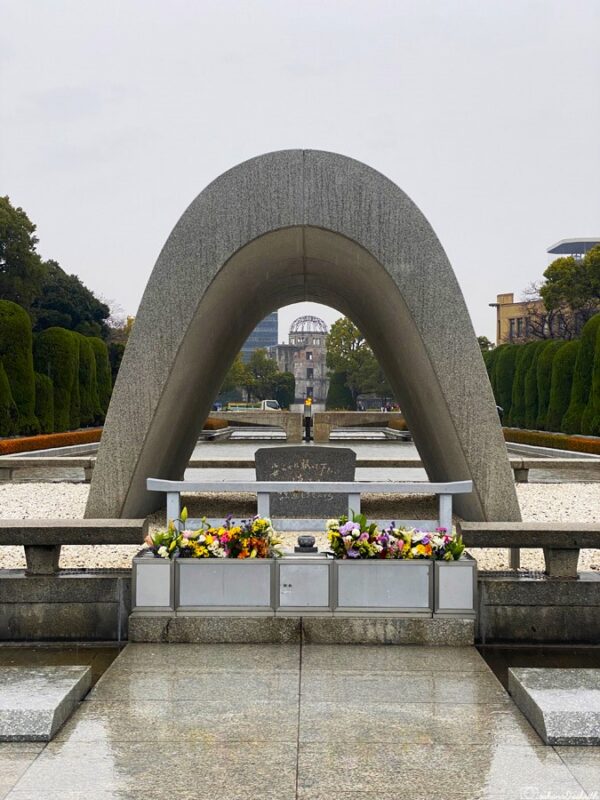
One of the main reasons to visit Hiroshima is the Peace Memorial Park, a UNESCO World Heritage site.
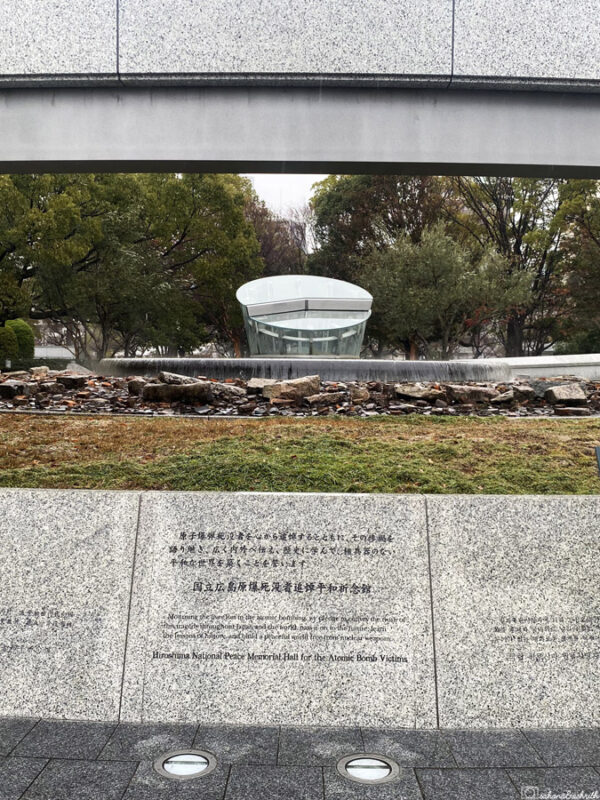
Built in 1967, this memorial serves as a powerful reminder of the devastating effects of war and nuclear weapons, honouring the 145,000 lives lost in the bombing on 6 August 1945, dropped by the US Army.
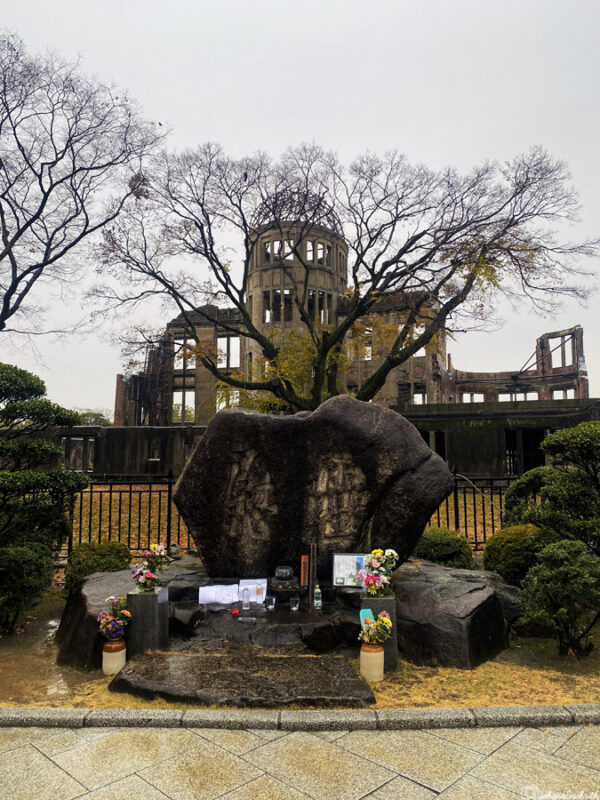
We entered the park with a casual air, as one might enter any shrine. But as soon as we saw the park’s most striking landmark, the Atomic Bomb Dome—once a bustling commercial exhibition hall—the sheer weight of Hiroshima’s devastation hit us.
Practical info
What to see in Hiroshima peace Memorial park?
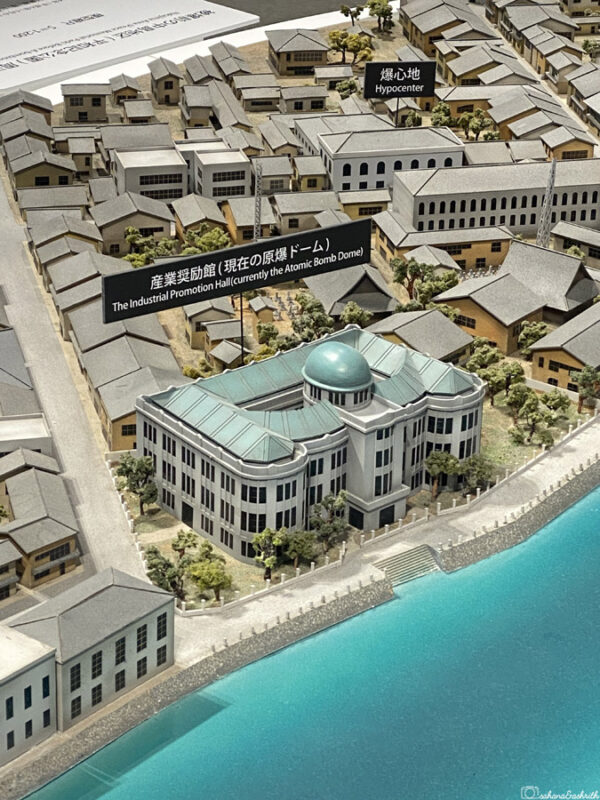
Atomic Bomb Dome: This place hits hard. Built in 1915 as a commercial hall, it’s now a haunting reminder of what happened here, standing close to the bombing’s hypocentre as a powerful symbol of Hiroshima’s resilience.
Rest House of Hiroshima Peace Park: This building used to be a kimono shop! Now, it’s a visitor centre with a basement room where Eizo Nomura, one of the survivors, found shelter. It’s like stepping back in time.
Hiroshima National Peace Memorial Hall: This place really makes you pause. There’s a water clock set to 8:15 (the exact time of the bombing) and a 360° panoramic wall to honour the victims. It’s all about reflecting and remembering.
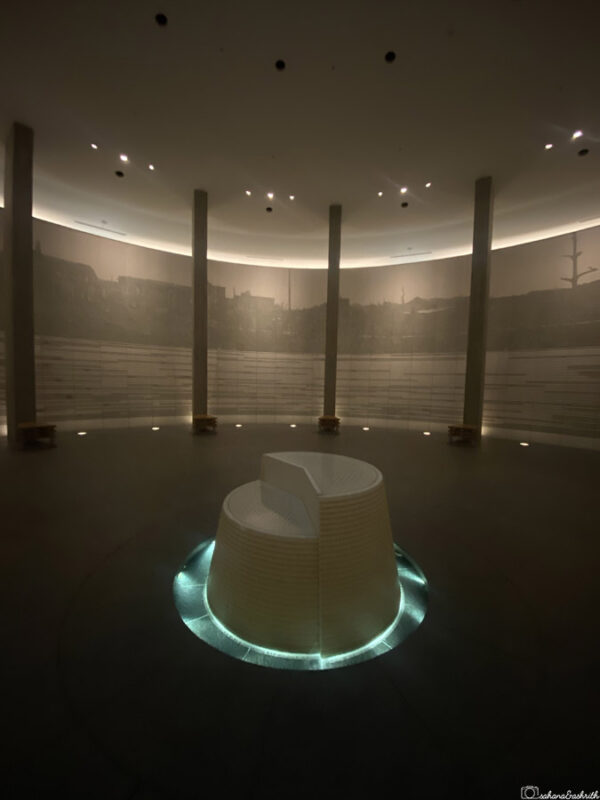
Hall of Remembrance: This circular memorial is a quiet space. There’s a panoramic photo taken from the hypocentre and tiles that represent lives lost—a simple yet powerful tribute to Hiroshima’s sorrow and strength.
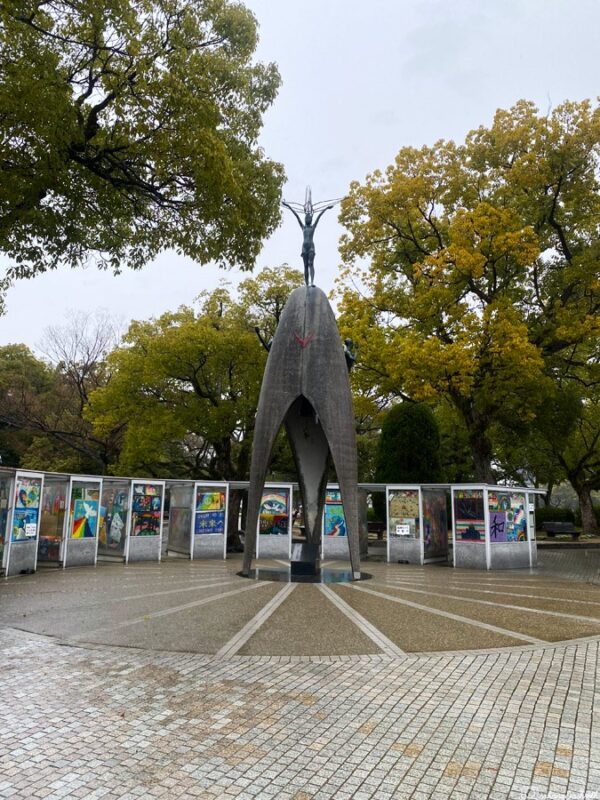
Children’s Peace Monument: Dedicated to Sadako Sasaki and other child victims, this spot is all about peace and remembrance. Thousands of colourful paper cranes surround it, symbolising hope and healing. It’s deeply moving.
Personal Experience
As we left the upper-level Hall of Remembrance, we noticed an exhibition sign: “Enjoy a thirty-minute film presentation on our large projection screen.”
The word “enjoy” had me thinking it’d be about Hiroshima’s comeback story. But it starts with scenes from daily life in Hiroshima on August 6, 1945.
Then, the bomb drops, and we’re shown images and stories that are heart-wrenching. The most intense part?
The moment Kinue’s mother finds her daughter after the blast. That scene stays with you.
I couldn’t leave the park without shedding some tears and praying there should never be another nuclear devastation in any part of the world like this.
2. Visit Hypocentre of Hiroshima.
Walk less than 200 metres from the Peace Memorial Park, and you’ll find yourself at the exact spot where the atomic bomb hit—Hiroshima’s hypocentre.
Today, this point is marked by the Shima Clinic, which sits directly under where the bomb exploded.
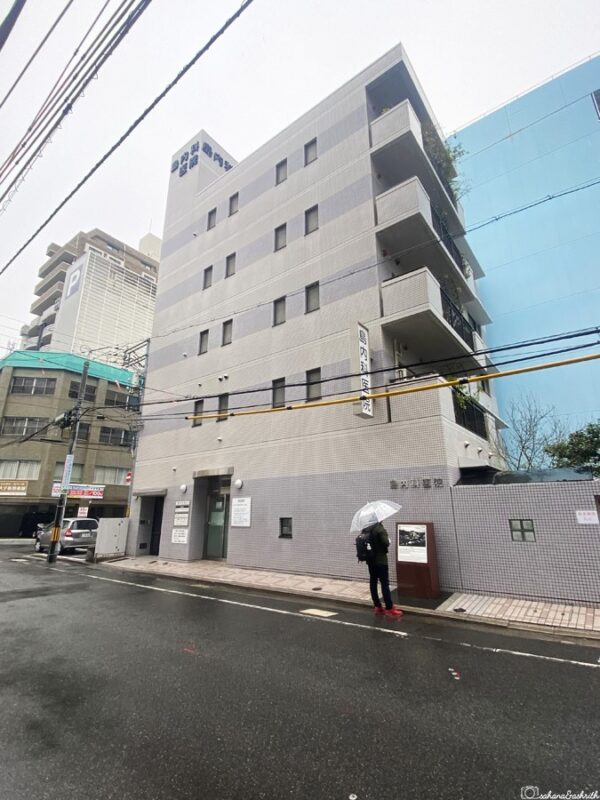
There’s no big monument here. It’s just a regular clinic, fully rebuilt and quietly operating as a hospital. From the outside, it looks like any ordinary building—no obvious reminders of its past.
The plain, unremarkable clinic at the Hypocentre of Hiroshima pulls you into a vivid, haunting vision of 1945.
It makes you imagine the intense heat, the radiation, and that towering mushroom cloud that burnt thousands to ashes. In a way, those who perished instantly may have been luckier than those who survived only to endure the pain for days after.
It’s shocking how a simple spot—without any fancy monument or inscription—can unearth such devastating memories and make you imagine the unimaginable.
There’s a 7/11 nearby, perfect for grabbing a quick coffee or even a snack, just like we did. The Latte can make your mind calm down a bit!
3. Hondori Shopping Street
After absorbing so much about war, loss, and human suffering, you’ll likely want a breather. Just a short 350m from the hypocentre,
Hondori Shopping Arcade is the lively, vibrant side of Hiroshima—a refreshing way to lift your spirits.
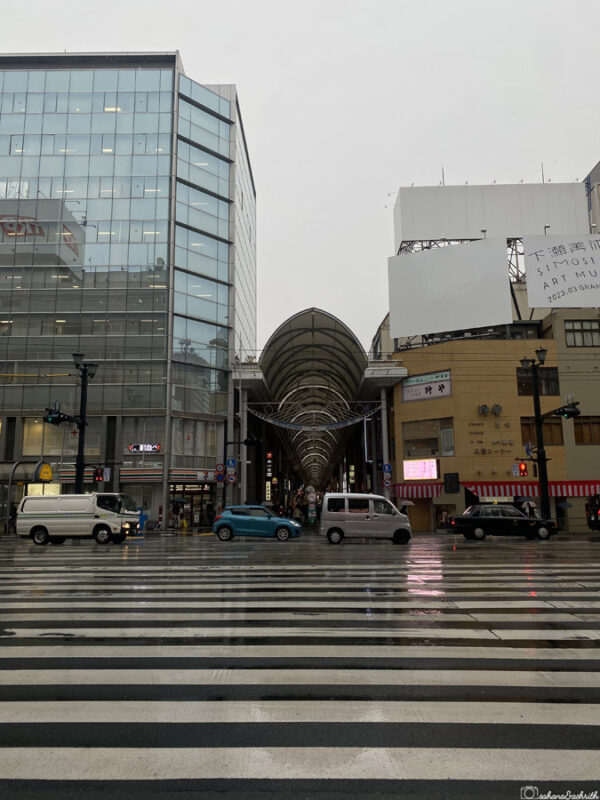
Honestly, everything in Hiroshima felt heavy until we wandered into Hondori. We felt people here seemed more reserved, almost sombre compared to the buzzing energy of Osaka or the calm, temple-filled serene vibe of Kyoto.
But Hondori was exactly the shift we needed. Strolling through the shops, sipping local brews, and joining the cheerful crowd was the perfect way to shake off that “war zone” mindset.
If you’re spending two days in Hiroshima, soaking in the local life at Hondori is a must.
What makes Hondori Shopping arcade fun?
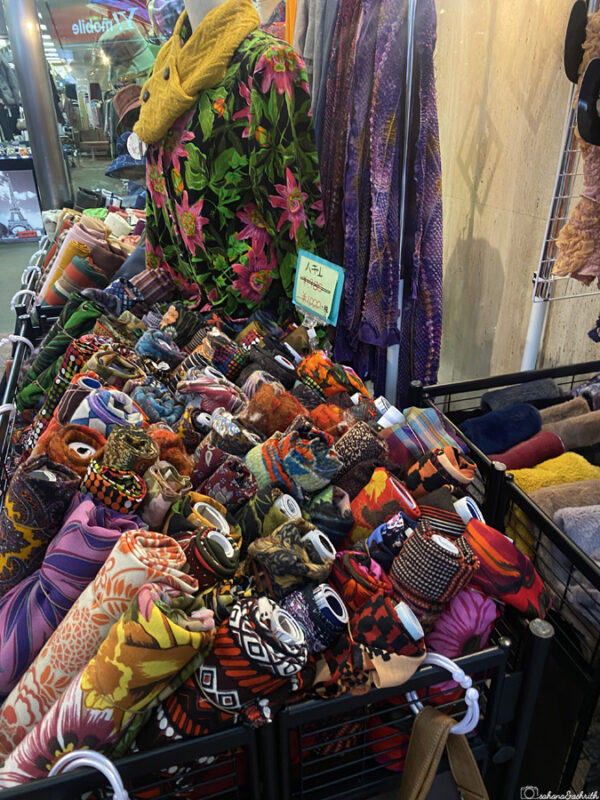
The vaulted shopping arcade itself is fun. We were back in a typical, entertaining Japanese city with Taito station, boutique shops, lots of restaurants, local sellers.
Whether you want to buy something or not, wandering Hondori arcade is one of the top things to do in Hiroshima to see a non-touristy side of the city.

The Taito station was full of youngsters trying to grab the toy. The famous restaurants had a long line of people waiting.
People were laughing, chatting, and clicking photos. Girls were shopping for some crazy-looking stockings.
From high-end boutiques to quirky, independent stores, there’s much to see, shop and do here. Or this is the best place to people watch in Hiroshima!
As soon we begin to get re-energise, we found Hiroshima Neighbourly brewery.

Their menu had hand-crafted beer and some vegan option food. Plus, we saw a crowd of younger minds giggling there.
Those young couples on dates, groups of friends laughing, chatting, and sipping beer—it’s such a lively scene. At one point, I overheard a group asking for “American ice” with their water on that chilly winter day.
Curious, I couldn’t resist asking, “What on earth is American ice?”
The girl laughed and explained, “Some of us embrace American culture—how we dress, what we eat, and yes, even drinking ice water!”
We ended up chatting, and she mentioned that several Japanese cities have “American Streets,” like the one in Osaka, with pancakes and other American foods.
So sipping some beer Hiroshima Hinode that had roasted purple carrot in a modern Izakaya re-started our day brighter and merrier.
Then, of course, there was Oshinoya that got Chicken Karaage for my chicken lover husband ( These outlets are real budget saviours).
A vegan place, Cafe Saeki served me good miso soup with a delicious rice ball set – Finding vegan and veg food is an achievement in Japan!
4. Hiroshima Castle
Looking at Hiroshima today, with its tall buildings and pretty canals, it’s hard to believe a historic castle sits tucked in the middle of it all.
Also known as Carp Castle, Hiroshima Castle was originally built in 1590. It’s a nice, laid-back spot to check out during a two-day Hiroshima trip.
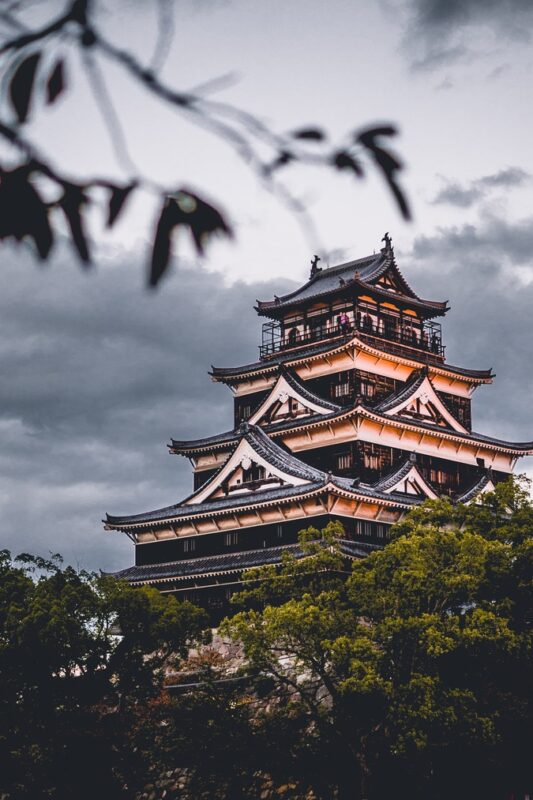
Honestly, after seeing castles like Osaka Castle and Kiyosu Castle in Nagoya (total Spirited Away vibes), Hiroshima Castle feels a bit more understated.
But the park and moat around it are charming, and wandering here is free. You’ll see locals having picnics, kids running about—it’s perfect if you just want to relax and soak in the vibe.
One heads-up: it can get pretty chilly in winter, especially by the moat. When we visited in December 2022, it even snowed! Layer up if you’re heading there in the colder months.
If you’re into art, don’t miss the Hiroshima Museum of Art nearby. They have a few Van Gogh and Picasso pieces that make the visit extra special.
There’s also Gokoku Shrine within the park. We just strolled past it, having seen other shrines in Kyoto and knowing we’d see Miyajima stunning sights the next day.
But if you’re new to shrines, it’s worth a stop.
5. Relax by the riverfront
With six rivers flowing through the city, Hiroshima sometimes feels a bit like Amsterdam—minus the Baroque architecture!
You’re never far from a riverfront here. To wind down your day, head to one of the many riverfront parks. It’s honestly one of the most relaxing things to do in Hiroshima at sunset.
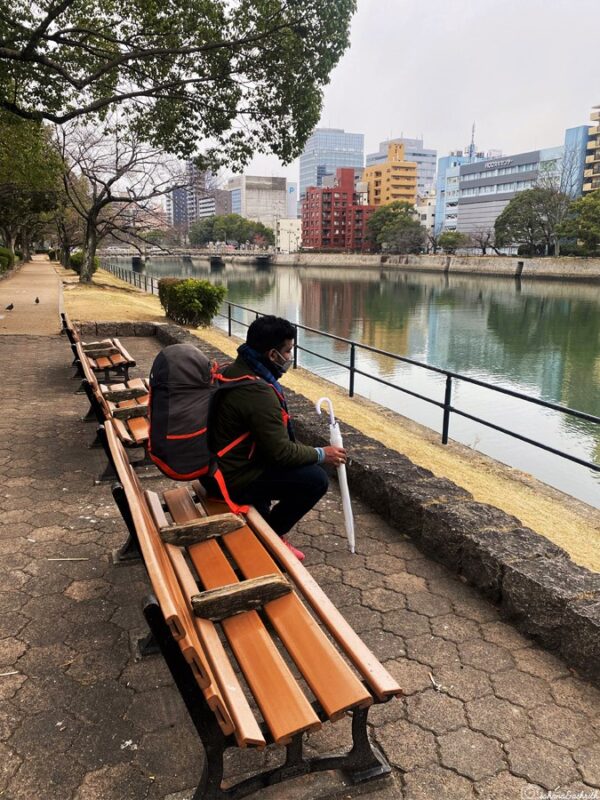
There are plenty of options, including the popular Orizuru Tower for sunset views. But my top pick? Shukkeien Garden.
Shukkeien Garden is famous during cherry blossom season, but even in winter, it looked magical.
With charming, fairytale-like bridges over ponds, like the Koyoku Bridge, a beautiful herb garden, and a giant Ginkgo tree that survived the atomic bombing, it’s truly special.

Before diving into Hiroshima’s famous okonomiyaki for dinner, take a stroll through this garden—it’s free to explore.
Enjoy the peaceful vibe, and if the weather’s on your side, try to catch the sunset (we missed it due to rain and snow, but it would’ve been amazing!).
6. Have Okonomiyaki for dinner
Any good day has to end with good food, right? To wrap up your first day, dive into Hiroshima’s most famous dish – okonomiyaki – a must-try local favourite!
Hiroshima-style okonomiyaki is a layered savoury pancake loaded with cabbage, noodles (either soba or udon), pork or seafood, and topped with okonomiyaki sauce.
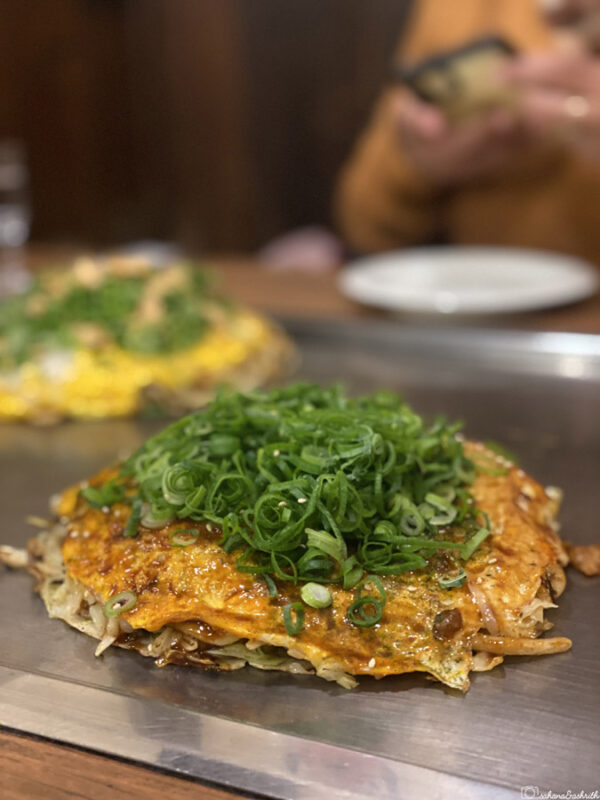
Fun fact: this dish was created after World War II as a filling, affordable meal for locals—an alternative to American pancakes.
For an okonomiyaki adventure, head to Okonomimura, or “Okonomiyaki Village.” With 24 stalls spread over three floors in downtown Hiroshima, it’s heaven for okonomiyaki fans, each stall adding its twist to the dish.
Wander around and see what catches your eye!
We browsed Okonomimura but ended up at a spot just 850 metres away.
While sipping beer on Hondori Street, the brewery owner suggested Nagataya, closer to Peace Memorial Park.
He said it’s the best place for okonomiyaki and even offers vegetarian and vegan options—a big plus for a vegetarian like me in Japan.
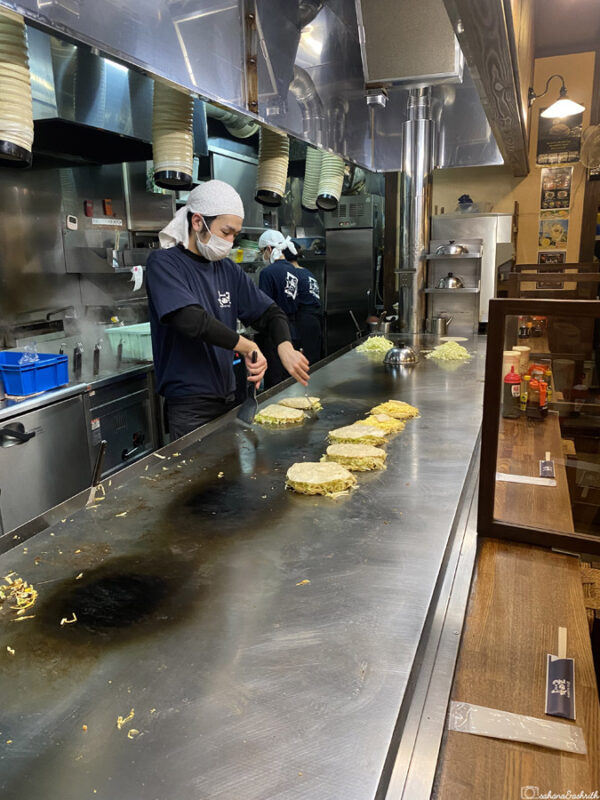
And Ashrith had seafood based Okonomiyaki.
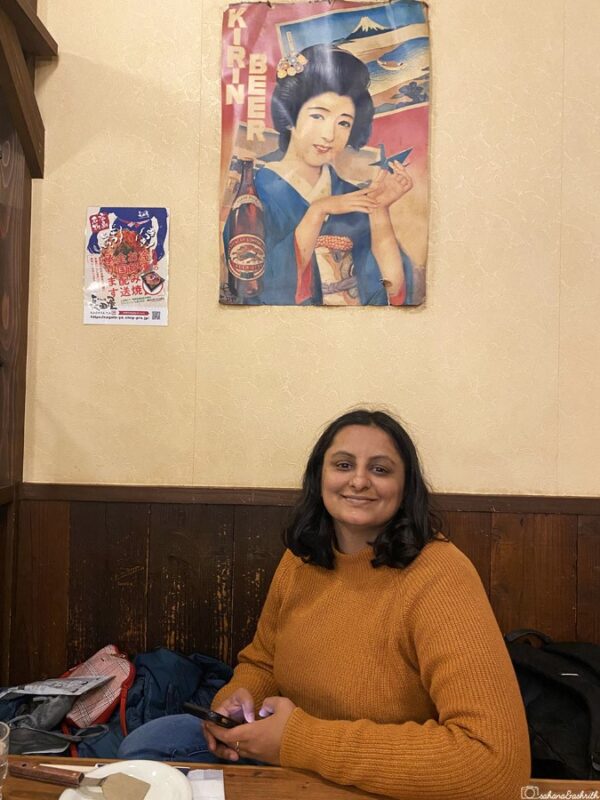
So, we checked out Nagataya, and it was the best decision! The restaurant has a counter kitchen, nearby tables, and an inviting vibe.
It’s a newer place (opened in 2009) but already a local favourite. Just be prepared to wait around 45 minutes in line!
Hiroshima Itinerary Day 2
Make a Day Trip to Miyajima
Apart from Chureito Pagoda or Mount Fuji by the lakes as the backdrop, the next most Instagrammed spot in Japan is the vibrant orange floating torii gate of Itsukushima Shrine of Miyajima.
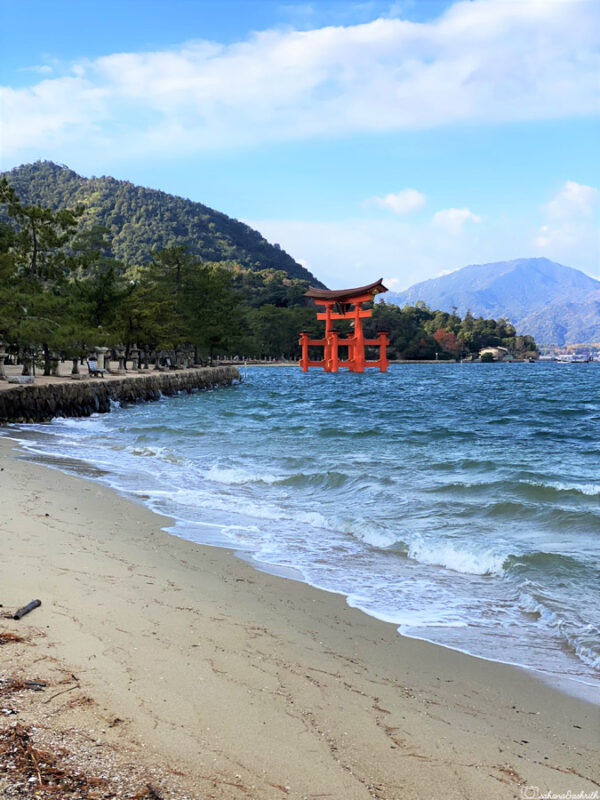
Miyajima Island is just 30 km from Hiroshima, this place is a must-see on Day 2 of your Hiroshima itinerary.
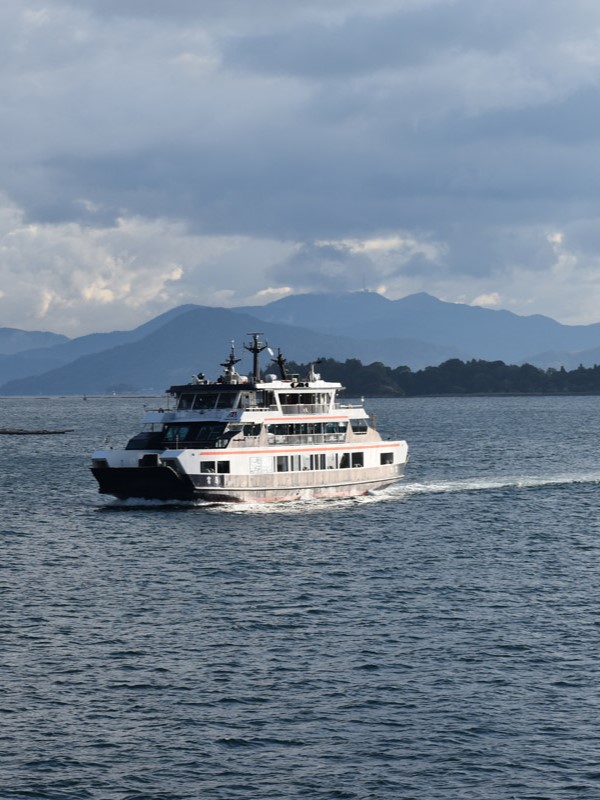
Start your morning by catching a train from Hiroshima Station to Miyajimaguchi, then hop on a ferry to reach Miyajima.
Stepping onto the island feels almost otherworldly, with the famous torii gate appearing to float in the water and wild deer casually wandering the beach.
Miyajima like Nara were deers roam by the town, but with a completely unique vibe because of the Pacific ocean.
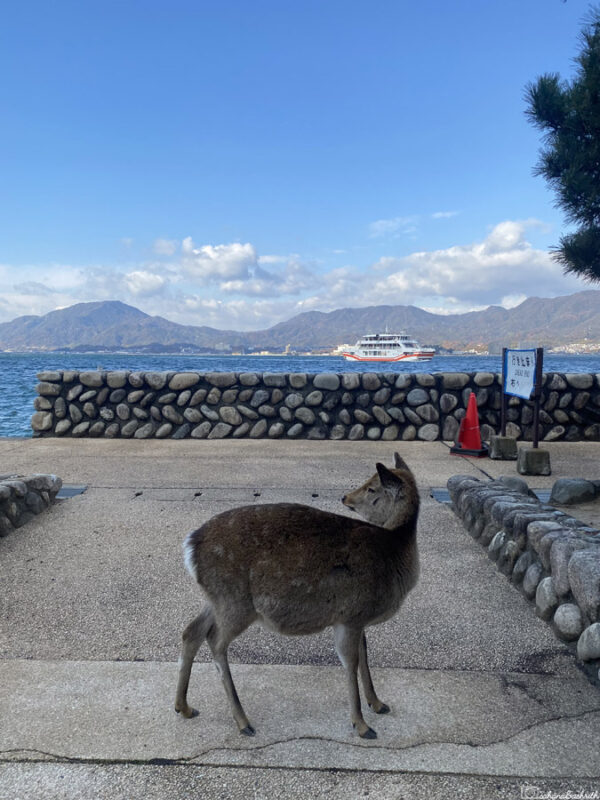
Now, while some visitors spend only half a day here, trust me—Miyajima deserves a whole day.
Watching the floating torii gate is magical at different tides: in the morning, it stands surrounded by high tide, but by evening, low tide lets you walk right up to it.
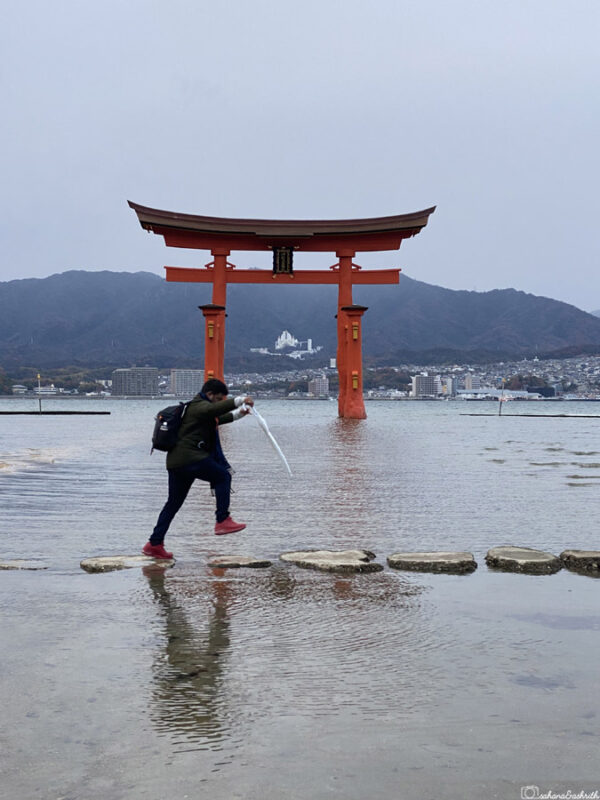
Touching it after seeing it “float” was something I’ll never forget!
Beyond the torii gate, there’s plenty more to explore on Miyajima’s 30-km perimeter. Scenic hiking trails lead to views over the bay, with sights of the gate, Mount Misen, and Hiroshima city from above.
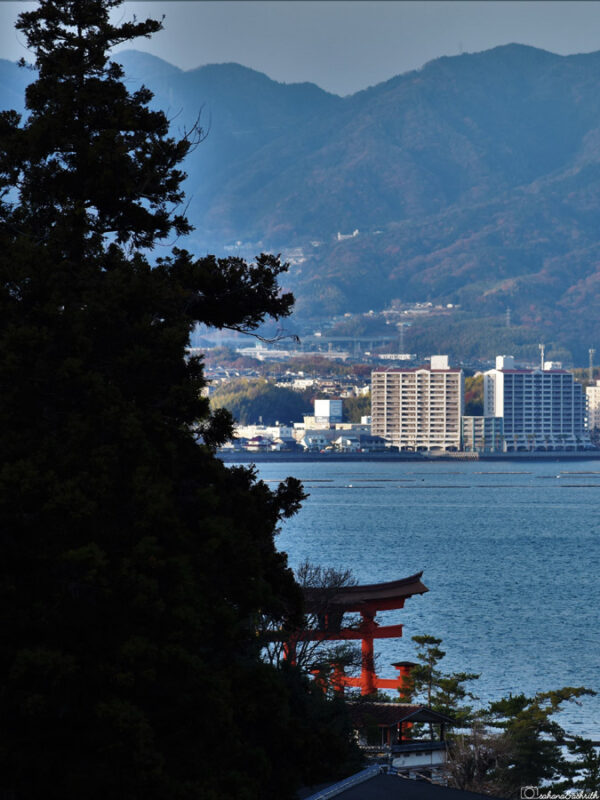
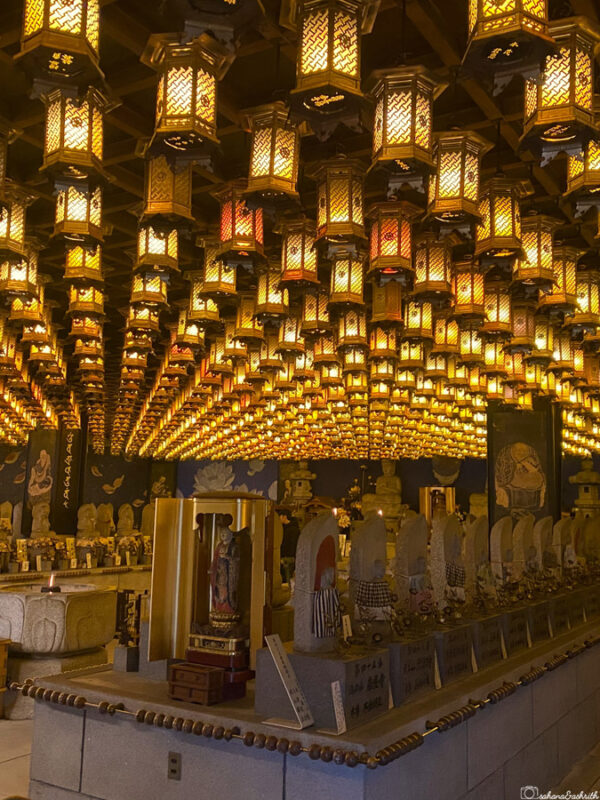
Then there’s Daisho-in Shrine, one of the prettiest shrines we’ve seen (and honestly, it rivals Kiyomizu-dera in Kyoto!).
Daisho-in has over 600 lanterns on the ceiling and a garden with 500 tiny Buddha statues—truly breathtaking.
For seafood lovers, this is also the place to try Japan’s famous oysters.
And don’t leave without tasting momiji manju – a maple leaf-shaped, soft cookie filled with sweet red bean paste. It’s a favourite of ours!
From shrines to snacks, scenic hikes to serene moments by the water, Miyajima has more than enough to fill your day.

Is it safe to visit Hiroshima now?
Absolutely! Hiroshima is perfectly safe to visit today, with radiation levels similar to any major city worldwide. There’s no harmful radioactivity here, so there’s no health risk for visitors.
We visited in Hiroshima 2022 and felt completely fine throughout our stay and even post stay.
While our own experience alone doesn’t prove Hiroshima’s safety, it’s reassuring to know that these scientific measures and decades of research show it’s safe for travellers.
The atomic bomb was dropped in 1945, creating extreme radiation and severe health issues for survivors.
But here’s the good news: radiation levels dropped rapidly in the months after the bombing.
By the 1950s, they had returned to natural levels, allowing people to safely live and rebuild.
Extensive cleanup efforts sped up this process, with teams removing contaminated soil, clearing debris, and taking measures to ensure safety.
Today, Hiroshima’s radiation levels are right in line with everyday background radiation, much like what you’d find in Japan capital Tokyo or any other city in the world.
For perspective, natural background radiation exists everywhere.
Practical Travel tips to explore Hiroshima in 2 days
How many days do you need in Hiroshima?
You need at least two days in Hiroshima. Three days are ideal, letting you explore the city on Day 1, go biking and hiking on Day 2, and then head to Miyajima on Day 3.
What to do in Hiroshima in 3 days?
If you have 3 days in Hiroshima, follow this itinerary:
- Day 1: Hiroshima city – Peace Memorial Park, Hypocentre, Hondori Street, Hiroshima Castle Grounds, riverfront parks, local food
- Day 2: Spend one whole day at Miyajima island famous for floating Tori
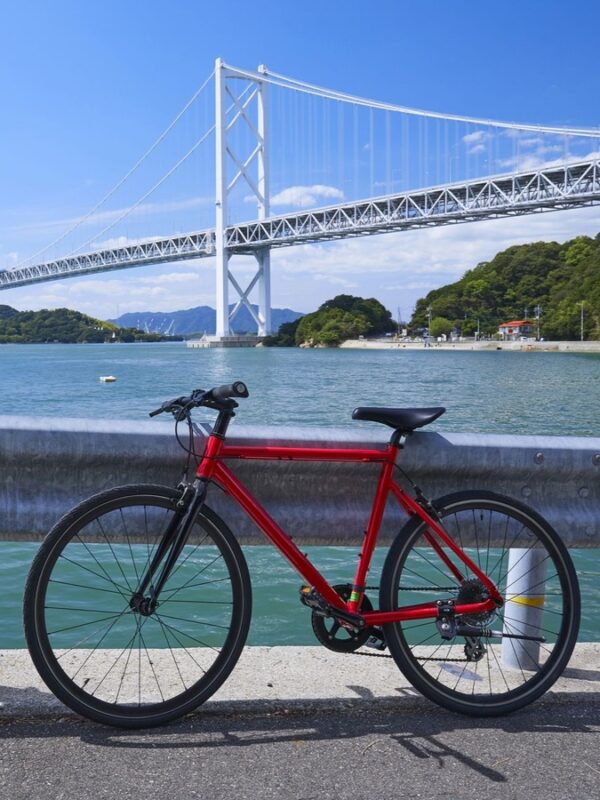
- Day 3: Shimanami Kaido (70 km cycling trail passing through many bridges by the ocean and river side) or Sandankyo Gorge (10 km hiking trail through Hiroshima’s best kept scenery)
Best time to visit
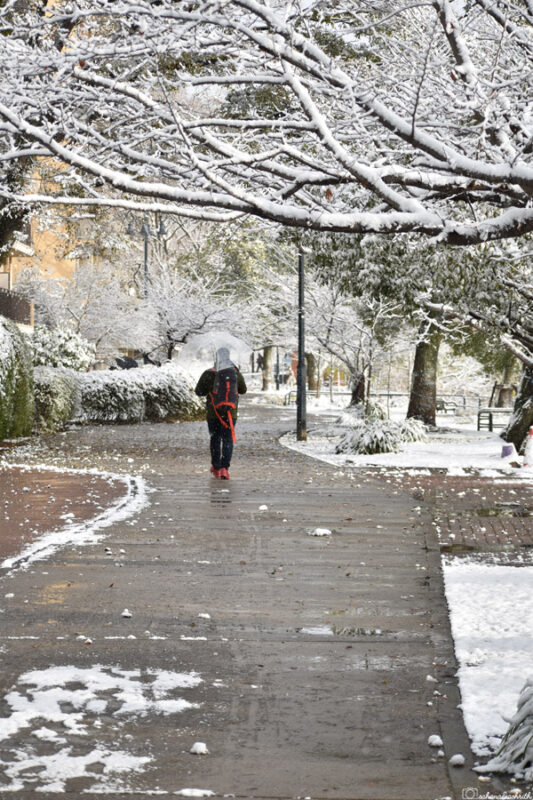
The best time to visit Hiroshima is spring (April-May) for cherry blossoms, though it’s crowded and pricey. For fewer tourists and vibrant autumn colours, October-November is ideal.
If you’re looking to save, visit in early winter (December) like we did for minimal crowds. It snowed while we were leaving the city on 3rd day.
Avoid June to September as it’s hot and humid.
Planning your stay in Hiroshima
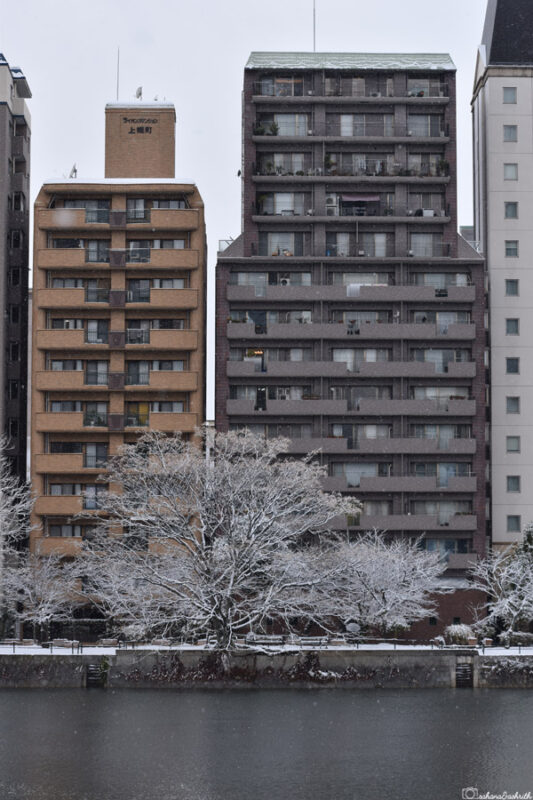
Hiroshima isn’t as sprawling as Tokyo, so finding a place to stay is pretty straightforward. But if you’re looking to save on transport, it’s smart to stay closer to the main tourist spots.
It can be a bit of a puzzle to balance location and cost, though!
How to get to Hiroshima?
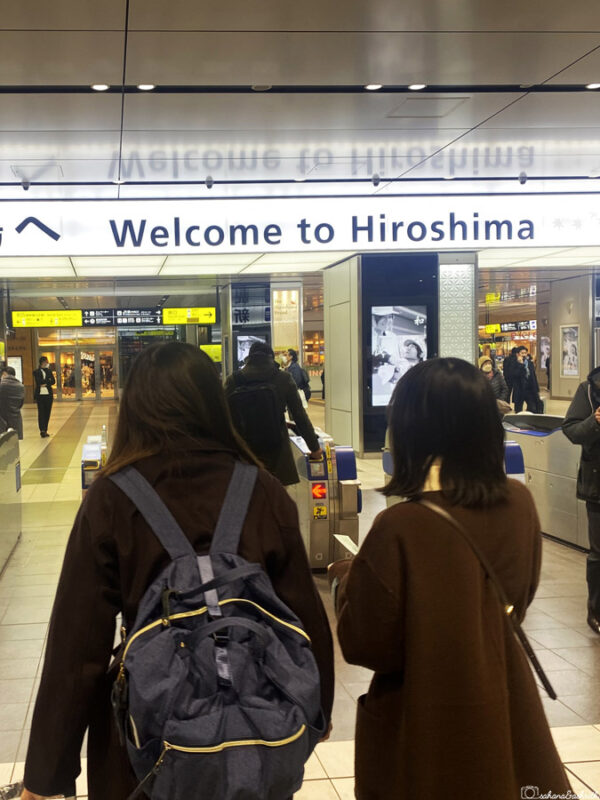
There are three main ways to reach Hiroshima: by air, by train (including the Shinkansen bullet train, the fastest option), and by highway bus, which is the cheapest.
By Air
Hiroshima Airport is about 45 km from the city and offers both international and domestic flights. From the airport, you can take a limousine bus to the city centre in about an hour or opt for the JR train, which takes around 45 minutes.
However, direct international flights mainly come from Taipei, Hong Kong, and Shanghai, so flying isn’t the best option unless Hiroshima is your first stop in Japan.
Domestic flights from other Japanese cities are also available, but they can add extra costs, so the train is often a better choice.
By Train
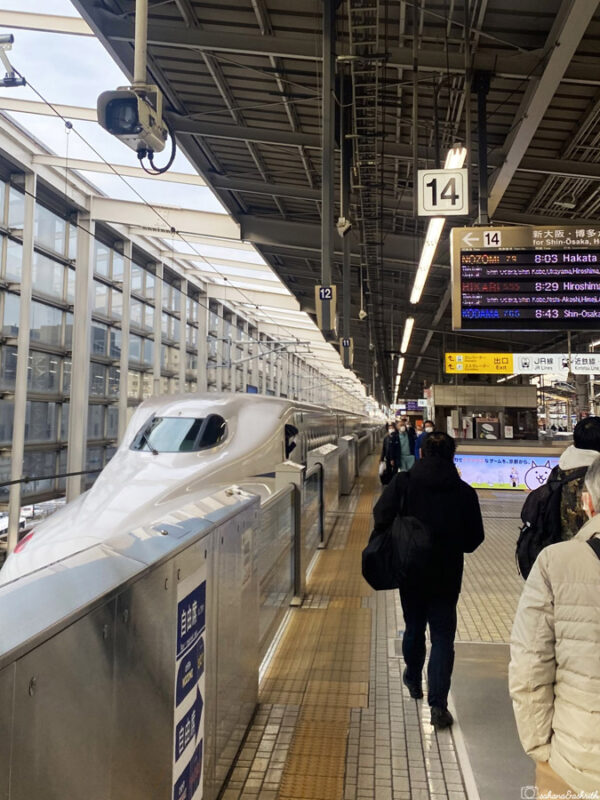
The Shinkansen is the easiest way to reach Hiroshima from other Japanese cities. You can hop on the JR Tokaido-Sanyo Shinkansen from Tokyo, Osaka, Kyoto, Nagoya, or Fukuoka—and it’s covered under the Japan Rail Pass.
We took the Kodama from Shin-Osaka to Hiroshima, which took just under 2 hours and 30 minutes.
By Bus
If you’re up for a long journey to save money, highway buses are a budget-friendly way to reach Hiroshima!
A night bus from Tokyo to Hiroshima costs about 12,000 yen and takes around 11 hours.
For nearby cities, like Osaka, buses take roughly 4 hours, with fares between 4,000 and 6,000 yen.
How to travel in Hiroshima?
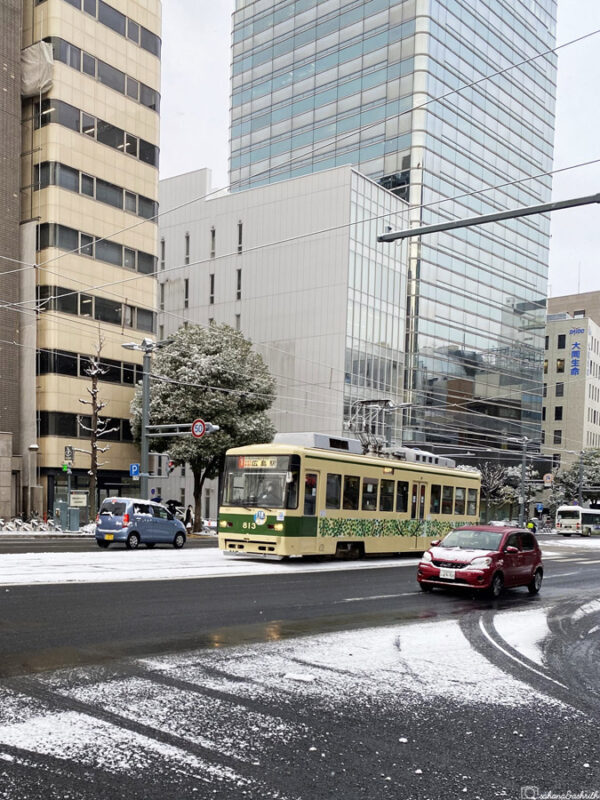
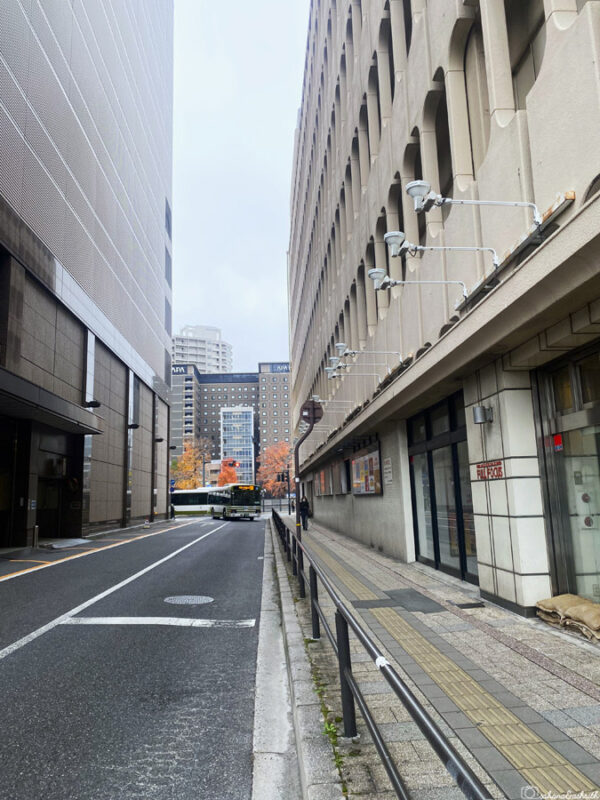
Like most Japanese cities, public transportation in Hiroshima is excellent, with streetcars (trams), buses, and trains. There’s no need to rent a car to get around!
Most tourist spots are within walking distance. On our first day, we didn’t even need a tram or bus—everything was within a 4 km walk!
If you don’t want to walk, rent cycles – Hiroshima is excellent for cycling, better than Kyoto.
You’ll only need trams or buses to reach Hiroshima Station or ferry points outside the city. Both streetcars and buses charge flat rates (210-230 yen), so the fare stays the same regardless of the ride length.
Do I need a travel pass for Hiroshima?
If you’re not planning to walk around the city like we did, the Visit Hiroshima Pass (available for 24, 48, or 72 hours) could be really useful.
The 24-hour pass costs 1000 yen and covers streetcars, buses, and ferries to Miyajima. You can buy it directly from drivers or at Hiroshima and streetcar stations.
We didn’t get the pass, as we chose to walk around the city and used our JR Pass to reach Miyajima. It was the perfect choice for us—saving both time and money!
FAQ
What to see in Hiroshima in one day
If you have just a day in Hiroshima focus on Peace Memorial Park, Atomic Bomb Dome, Hiroshima Castle, and Hondori Street for shopping and dining.
is Hiroshima worth visiting
Yes, absolutely. Hiroshima’s resilience, unique historical sites, and peaceful parks make it an unforgettable stop on any Japan itinerary.
What is Hiroshima day
Hiroshima Day, observed on August 6, commemorates the atomic bombing of Hiroshima in 1945, honouring victims and promoting global peace efforts.
Can I make a day trip to Hiroshima from Kyoto
Yes, you can make a day trip to Hiroshima from Kyoto; the Shinkansen takes about 1.5 hours each way. However, it’s a packed day, and you may miss out on exploring Miyajima Island. For a full experience, consider spending 2 days in Hiroshima.
Where to go next from Hiroshima
You can head to Osaka, Nagoya or Fukuoka from Hiroshima which are just 1.5 to 3 hour bullet train ride from Hiroshima.
Found our 2 Days Itinerary for Hiroshima useful? Let us know in the comment section below.