
Disclaimer: Some links in this post are affiliate links. If you book through them, we earn a small commission at no extra cost to you. See our Privacy Policy for details.
Is Japan Safe for Travellers? Our Honest Opinion
Whenever we plan a trip, two questions guide us: is it within our budget, and is it safe to visit?
Japan, with its iconic Mount Fuji and Nintendo World in Osaka, intrigued us, but we soon realised it wasn’t cheap—even in December’s off-season. We’d heard glowing reviews about its safety, yet we had doubts.
Is Japan dangerous for tourists? What about Hiroshima’s radiation or reports of “Chikan” (molestation) on public transport?
After exploring Japan for 24 days with my spouse, Ashrith, I’ve formed an honest opinion. In this blog, I’ll answer the big question: is Japan safe for travellers?
I’ll share insights on general safety, my experience as a woman, walking the streets at night, and whether Hiroshima’s radiation poses a threat today.
If you’re wondering whether Japan is as safe as people claim, keep reading for my firsthand experiences.

General Safety in Japan
Crime rates
As a tourist in Japan for over three weeks, I can’t claim that the crime rates are lower just because we didn’t experience any incidents.
However, official statistics confirm that Japan is one of the safest countries in the world. For instance, when comparing intentional homicides, the rate in the U.S. is nearly 14 times higher than in Japan.
Similarly, the burglary rate per 100,000 people is 714 in the U.S. versus just 234 in Japan. You can explore more detailed statistics here
That said, safety doesn’t mean the absence of crime.
For example, Netflix series like Missing: The Lucie Blackman Case highlights the tragic story of a 21-year-old British air hostess who went missing in Tokyo and was later found to have been murdered by a serial killer.

Thankfully, such cases are exceedingly rare.
Japan also has its darker sides, like “untold” prostitution.
In areas like Roppongi, Shibuya in Tokyo or Tobita Shinchi in Osaka, certain bars employ women to entertain male patrons.
However, these activities are not part of typical tourist experiences. As long as you stick to usual tourist attractions, Japan remains a remarkably safe destination.
How common are theft, scams, or violent crimes?
Theft is rare in Japan, which may be attributed to their cultural upbringing and religious beliefs. I experienced this first-hand during my trip.
At winter wonderland Nagano, while rushing to catch a bus to the Snow Monkey Park, I dropped my wallet. A kind local man noticed and ran after me to return it.

Another instance was on my way to the famous postcard-perfect pagoda with Mount Fuji in the background, from Shimoyoshida Station. My newly bought Uniqlo scarf which was perfect for Japan’s winter slipped without me realising until I reached the peak.
When I returned to the station, I found my scarf neatly folded and placed on a train station bench.
Japan’s train stations even have dedicated “Lost and Found” rooms where items like laptops, gold rings, and jewellery are deposited by strangers who find them.
Losing something in Japan is rare—and even if you do, chances are you’ll get it back.
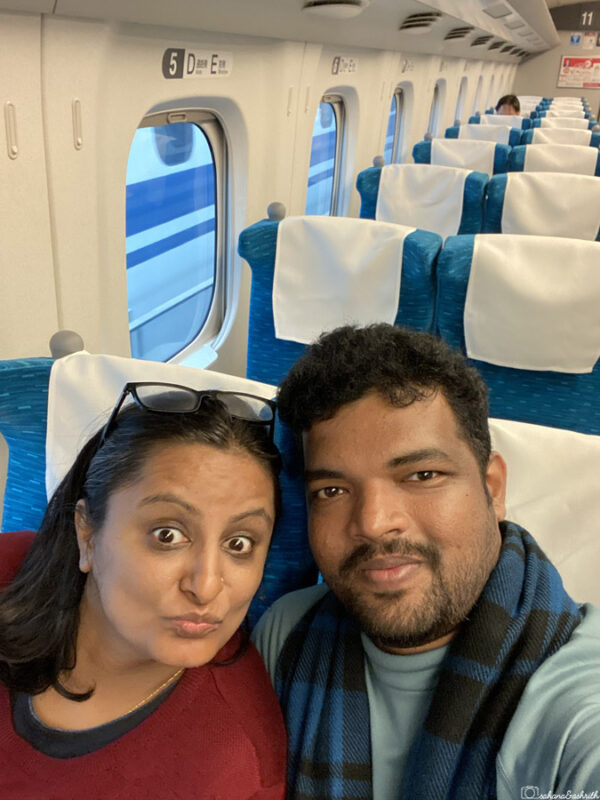
Local laws and enforcement
Are tourists treated fairly?
Japan’s legal system is strict but fair, and that’s a big reason why the country feels so safe. The police are professional and approachable, and the rules are easy to follow
The Japanese are quite reserved, so don’t expect them to open up as easily as Iranians might.

But they’re polite and respectful, and you won’t feel disrespected or face racism like you might in some other countries, such as Germany.
As tourists, we just need to stick to some basic manners—things most Japanese people naturally follow.
Littering is a big no-no, and drug-related offences come with harsh penalties. If you have visible tattoos, you might be turned away from onsens (hot springs), as tattoos are still linked to gangsters.

Safety for Female Travellers
Japan is one of the safest places for solo female travellers.
Experiences of women on public transport “Chikan” cases.
One concern some people bring up is Chikan (sexual harassment) on public transport in Japan. While these cases are rare, they’ve been widely discussed, especially in crowded cities.

As someone who teaches undergraduate architecture students, many of whom are huge fans of Japanese anime, I was often told about the sexism and materialisation of women in anime.
Based on their recommendations, I was bracing myself for similar treatment in Japan.
However, it turns out that while some anime may portray women in this way, it’s not a reflection of how everyJapanese people actually treat women.
In reality, the culture is much more respectful and far less influenced by those fictional portrayals.
Chikan is still an issue in Japan, but it rarely happens to tourists.
Night-time safety: Walking alone in cities or rural areas.
Walking around at night in Japan felt really safe, whether in the city, like Nagoya’s downtown Osu or Sakae, or in rural areas near Lake Kawaguchi at the foot of Mount Fuji.

The only warning we got at Kawaguchiko was not to wander into the woods after dark because of bears.
It’s also pretty common to see Japanese men passed out on the streets in places like Shinjuku on a Saturday night.
We even saw station masters waking up a group of women on the last train, making sure they were alright and letting them sleep on the metro station benches.
As a woman, I felt completely comfortable walking around the cities, even late at night.
We usually don’t go out partying at night, but the vibes of Shibuya and Dotonbori the most happening place of Osaka will definitely make you want to visit some bars.

Even on nights when I wasn’t drunk, but my spouse was a bit tipsy, we walked to the metro stations in Tokyo or Osaka, and neither of us faced any harassment or trouble.
The streets are always clean, well-lit, and quiet. If you need directions, the locals are more than happy to help. You might not see many people out at night in some areas, but the ones you do encounter are always respectful.
Cultural attitudes towards women.
Culturally, Japan has a strong sense of respect towards women, which shows in daily interactions.

While Japanese women may not be as openly chatty with strangers as in some countries, there’s no disrespect. People are generally polite, and personal space is highly valued.
You might find it odd or even rude when a Japanese man or woman gets up if you sit next to them.
It’s just their way of preferring solitude—they like to be left alone, and they’ll do the same for you.
Most of the time, people are glued to their e-devices, like a Nintendo Switch or their mobile phones.

Sadly, this tendency has escalated in some cases, leading to a condition called Hikikomori, where individuals isolate themselves from social interaction.
This has contributed to a rise in suicide rates in Japan, which is a serious issue that the country is working to address.
Nuclear Radiation Concerns
One of the major safety concerns we had while visiting Hiroshima was whether the radiation from the atomic bomb, which devastated the city in 1945, was still active.
The bomb unleashed immense destruction and radiation, causing severe health issues for survivors. Naturally, we wondered if any lingering radiation posed risks for visitors today.
We wondered if we’d need to wear protective gear or suits while visiting the Bombing memorial in Hiroshima, like you would when visiting Chernobyl.
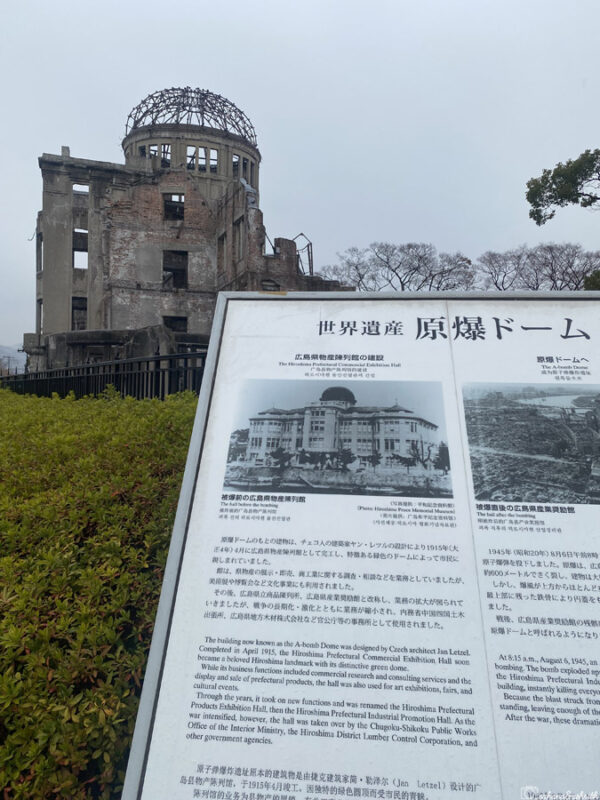
When we visited Hiroshima in 2022, we felt perfectly fine during our stay—and even after. The city is lively and welcoming, showing no visible signs of its tragic past.
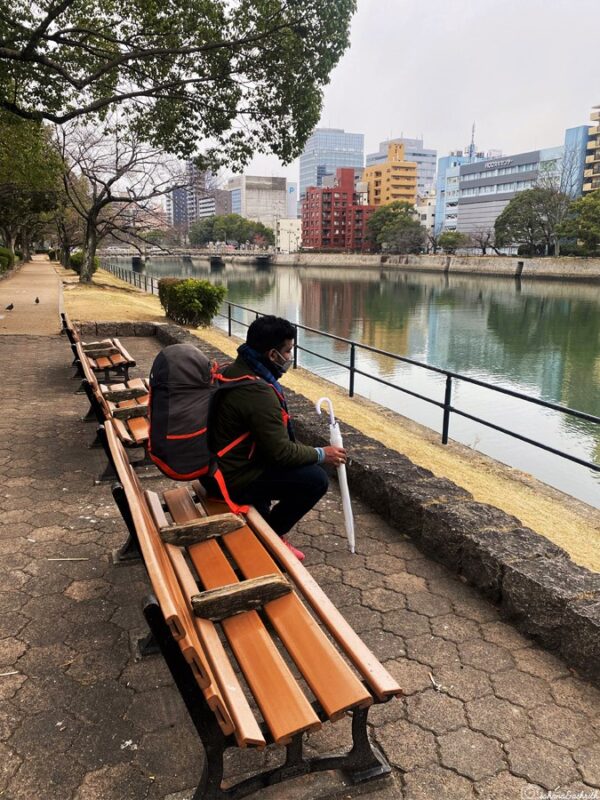
You can even stay near the area most devastated by the bombings in Hiroshima, which has a beautiful riverfront.
Is Hiroshima or Nagasaki still affected by radiation?
Not at all! Hiroshima and Nagasaki are perfectly safe, with no harmful radiation lingering today.
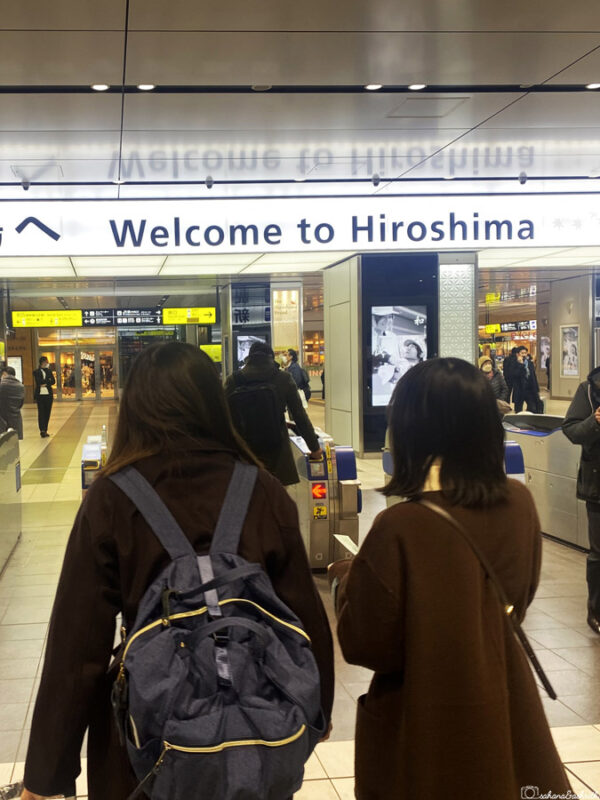
After the atomic bombings in 1945, radiation levels in both cities dropped to natural background levels within a few years.
Thanks to decades of cleanup and natural decay, these cities are now as safe as any other place to live or visit.
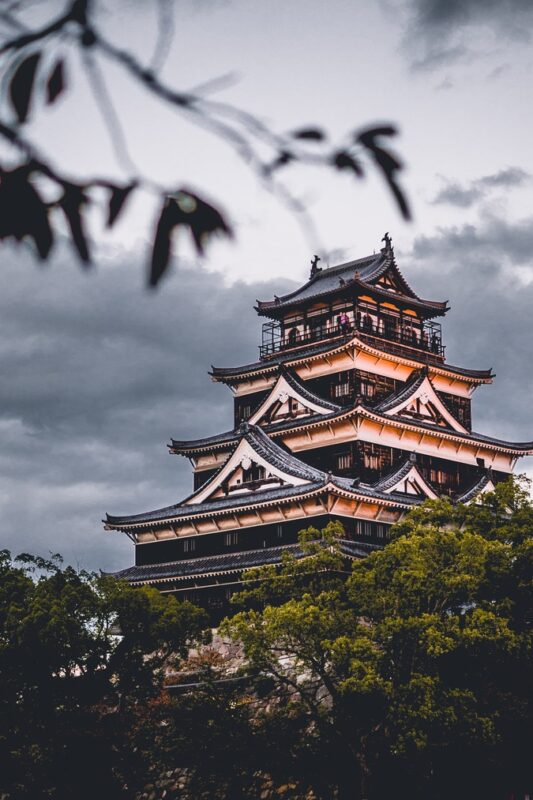
Facts about nuclear safety in Japan today.
Japan takes nuclear safety seriously. The government enforces strict safety standards and regularly monitors radiation levels nationwide.

Even areas affected by the 2011 Fukushima disaster have been heavily decontaminated.
As for Hiroshima and Nagasaki, they’re completely safe for tourists, with radiation levels no different from Tokyo or any other big city in the world.
What precautions (if any) do tourists need to take?
Honestly, none! You don’t need to worry about radiation in Hiroshima or Nagasaki.
Just enjoy exploring the cities, respect local customs, and stay hydrated and sun-protected if you’re outdoors for long or wear layers if you are there during winter like we did.
Natural Disasters
Risks of earthquakes, tsunamis, and typhoons.
Japan is located in a tectonically active region, making earthquakes quite common. Tsunamis are a risk, particularly in coastal areas, following major quakes.
Typhoon season typically runs from May to October, bringing strong winds and heavy rain.
How well-prepared is Japan for emergencies?
Japan is exceptionally well-prepared for natural disasters.

That’s why you’ll see evacuation route maps in coastal cities like Kamakura, known for Shirasu-don, a local fish dish, and Miyajima, famous for its Torii gate in the sea.
We even saw an “emergency evacuation area” sign near Saga-Toriimoto Preserved Street in Arashiyama which is a forest area.
Alerts for earthquakes and typhoons are sent directly to mobile phones, and evacuation centres are well-equipped.
Buildings are designed to withstand earthquakes, and emergency protocols are in place nationwide.
If you stand on the Toyosu deck, above the famous tuna auction market in Tokyo, you can spot many buildings designed to be earthquake-proof—an impressive testament to Japan’s safety measures.

Tips for travellers during natural disasters.
Transport and Road Safety
Public transport safety: Trains, buses, and taxis.
One of the reasons we love Japan is its super-efficient public transport. It’s easy to use and very safe.

During our 24-day trip, we only used a taxi once, from Haneda Airport to Tokyo, because public transport shuts down after midnight.
Plus, taxis are incredibly costly which can skyrocket your Japan trip expenses!

Apart from that, we used buses, trains, shinkansens, and the metro everywhere, and we found them all to be safe.
The bus drivers drive carefully, and everyone else on the road follows traffic rules.
As a traveller, it’s important to follow the local etiquette. On buses and trains, avoid speaking loudly and refrain from eating.
Pedestrian Safety on Japan roads
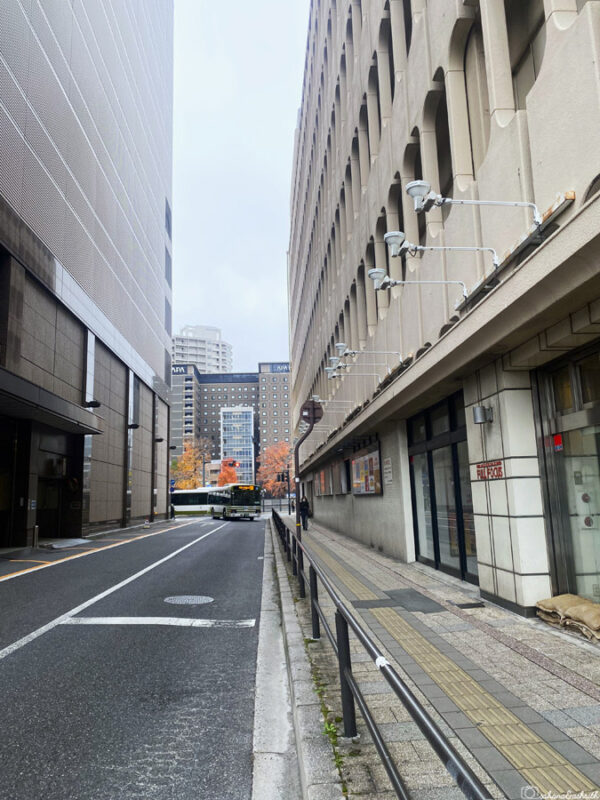
Some of the older parts of cities and towns in Japan have narrow roads, but every street has a separate pedestrian pathway shared with cyclists.
You might find it odd at first to share the path with cyclists, but they rarely ring bells at pedestrians.
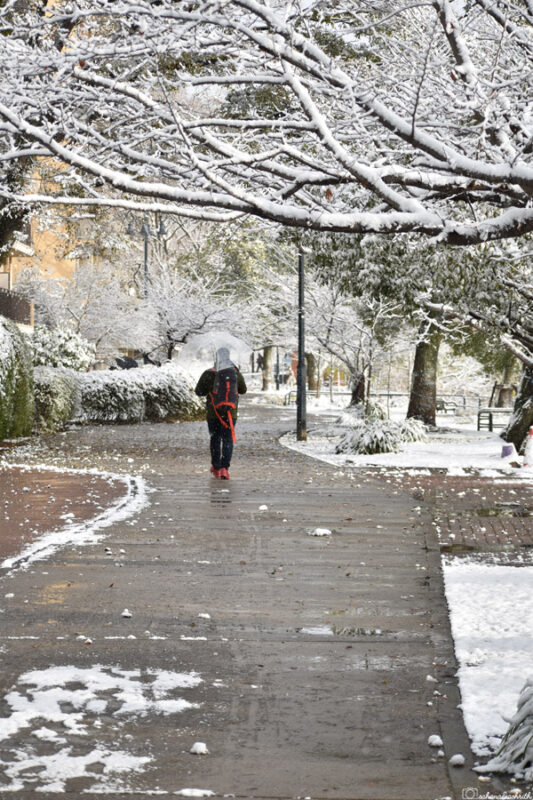
Traffic signals are very orderly and give you time to cross the roads. If you miss the green signal for pedestrians, you’ll hear a sound that resembles bird singing.
That’s your cue that vehicle movement has stopped, and it’s safe to cross.
Rules for tourists renting cars.
If you’re renting a car, remember that Japan drives on the left side of the road like they do in India and many other Asian countries and the UK. Be cautious, as driving conditions can be different from what you’re used to.

Always follow local traffic laws, and make sure you’re aware of parking restrictions to avoid fines.
Honestly, we never found the need to rent a car. In big cities, there’s the metro, and places like Kyoto have buses trams and trains.
Unless you plan to stay in remote areas or go camping by Saiko Lake near Mount Fuji, you really won’t need a private car. The public transport system is more than enough to get you around in Japan.

Conclusion
Our verdict: Japan is absolutely safe for all kinds of travellers, whether you’re a couple or a solo female traveller.

Having travelled to over 13 countries (as of 2024), I can confidently say Japan is the safest place I’ve ever visited, with Austria coming in second, where I spent two weeks with my mum.
As long as you avoid certain secluded areas (like those where illegal activities may happen) and don’t get too drunk in bars, you really don’t have to worry about anything.
Whether you’re navigating the confusing Shinjuku station or have lost something, officers and police are always ready to help.
Found this safety guide on Japan for travellers useful? Let us know in the comment section below.


